Understanding Dry Air in Winter Tips for Comfort and Health
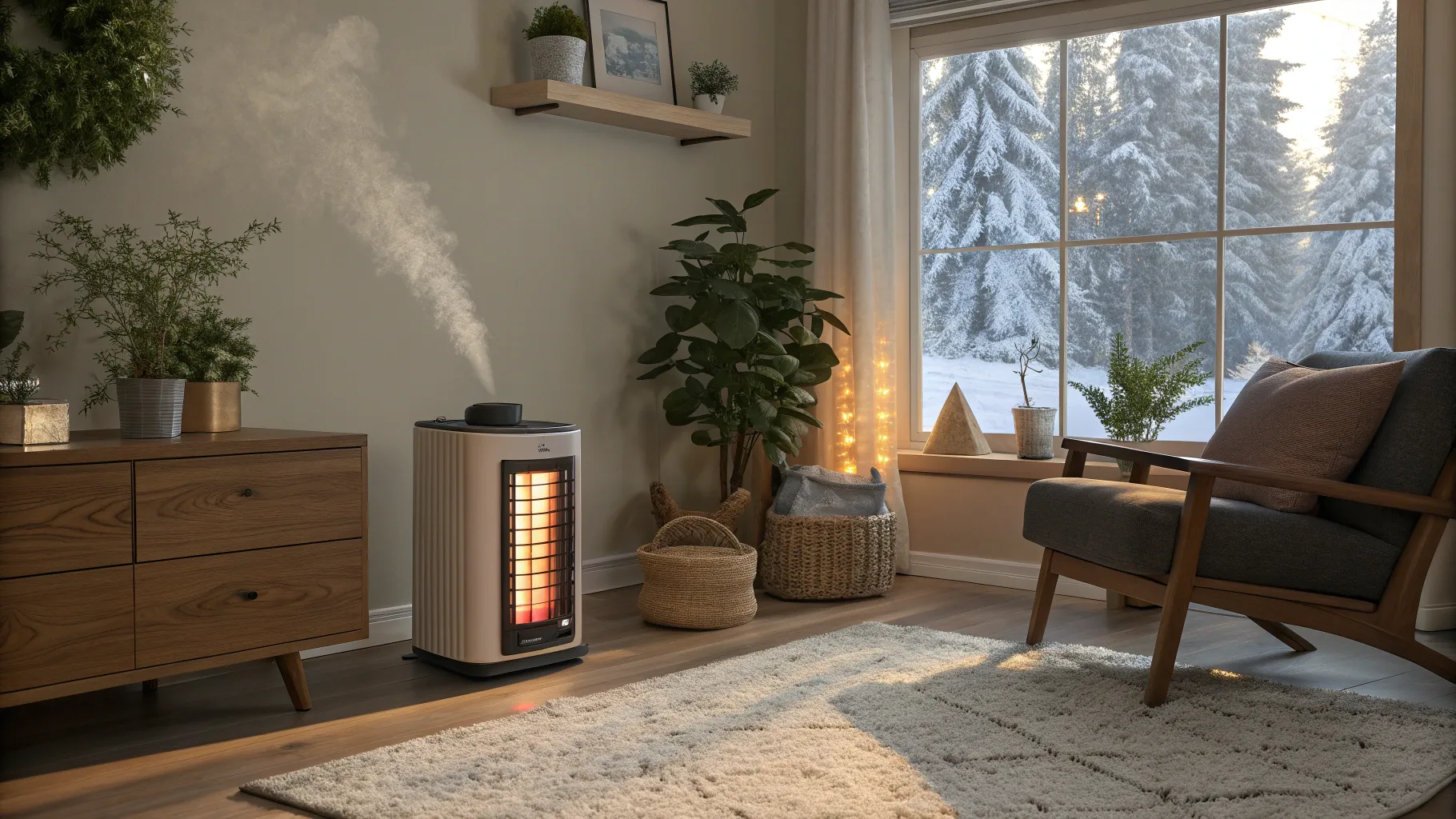
Understanding Why Homes Feel Drier in Winter
As the winter months roll in, many of us notice a distinct change in the air quality inside our homes. The dry air in winter can be quite uncomfortable, leading us to constantly crank up the humidity levels in attempts to find relief. But why does indoor humidity seem to dip significantly when the temperatures outside plummet? In this article, we break down the causes of seasonal dryness and provide you with essential tips to keep your indoor environment comfortable, especially if you have senior family members who may be more sensitive to these changes.
Indoor Humidity Changes and Their Causes
While outdoor humidity fluctuates throughout the year, indoor humidity often does not see the same dynamic balance. During winter, the cold air holds less moisture, leading to dry air in winter conditions. According to the National Oceanic and Atmospheric Administration (NOAA), outdoor relative humidity levels can drop below 20% in many regions during winter months, which impacts the air quality in homes and buildings. This means that even when the heating is on inside, the air we breathe often feels dry and lacks moisture.
In addition to this, the heating systems used to combat low outdoor temperatures tend to exacerbate the situation. Furnaces and radiators heat the air but do not add moisture, sometimes pushing indoor relative humidity levels down to levels as low as 10% in extreme cases. This doesn't just make the air feel dry; it can have real effects on your health, comfort, and even your home itself.
- Drier skin and hair: When there’s less moisture in the air, your skin can quickly become parched. Many people experience cracked hands, dry lips, and static hair.
- Respiratory discomfort: Dry air can exacerbate allergy symptoms and lead to sinus issues or respiratory discomfort, especially for seniors or those with pre-existing health conditions.
- Home damage: Insufficient humidity can cause wood furniture and flooring to crack or warp. It can also impact delicate electronics that are sensitive to high levels of dryness.
These factors highlight the importance of understanding how indoor humidity changes during colder months and the steps we can take to mitigate the impacts.
Exploring Air Moisture Basics
To better grasp why homes become drier during winter, we must delve into the basics of air moisture. Humidity is a measure of the amount of water vapor in the air. A relative humidity of around 30% to 50% is considered comfortable, while anything lower can lead to various discomforts and health issues. As outdoor temperatures drop, so does the air's capacity to retain moisture. When this cold air enters our homes, it is often warmed up, yet the moisture levels fail to increase accordingly.
Another key aspect is how our heating systems are configured. Many homeowners rely on forced air heating systems that circulate warm air but do not introduce any moisture. This can leave the air feeling bone-dry, prompting many to search for solutions to alleviate symptoms, from using skin moisturizers to drinking more water. What’s more, recent surveys indicate that 70% of people experience negative effects from dry air in winter, underscoring the need for proactive measures in maintaining adequate humidity levels.
For seniors, who may already be vulnerable to respiratory issues, dry air can lead to increased susceptibility to illnesses during winter months. According to research from the Centers for Disease Control and Prevention (CDC), maintaining an optimal humidity level can significantly promote healthier indoor environments, especially for those at higher risk.
Tips for Managing Indoor Humidity Year-Round
Now that we understand why homes feel drier in winter, it’s crucial to explore practical tips to keep our living spaces comfortable. Here are several strategies you can implement:
- Use a Humidifier: A humidifier adds moisture to the air, effectively combating seasonal dryness. Choose a portable or whole-house humidifier to maintain desired humidity levels throughout your home.
- Houseplants: Certain houseplants naturally release moisture into the air. Plants like peace lilies and spider plants not only beautify your space but can also improve air quality.
- Water Features: Incorporating a small indoor fountain can help increase humidity in your living space. The gentle evaporation adds much-needed moisture back into the air.
- Limit Heating Runs: Try to use your heating systems sparingly or at moderate settings to help prevent excessive drying of indoor air.
- Seal Drafts: Identify common sources of drafts and ensure windows and doors are properly sealed to prevent cold, dry air from entering your home.
- Regularly Ventilate: Even during winter, it’s important to open windows periodically to promote air circulation. This helps maintain a natural flow of fresh air and moisture.
By implementing these tips into your daily routine, you can create a more pleasant indoor environment that considers seasonal shifts and prioritizes comfort—especially for your senior family members who may be more affected by dry conditions.
A small initiative can garner significant results. Aim for goals such as targeting relative indoor humidity levels between 30% and 50%, bringing your home into that comfortable range that benefits everyone residing within it. With the right strategies in place, indoor winter discomfort can be a thing of the past.