Understanding Differences Between Colitis and Crohns Disease
Understanding Key Differences Between Colitis and Crohn’s Disease
In the realm of digestive health, inflammatory bowel diseases (IBD) present substantial challenges for countless individuals worldwide. Two of the most prevalent forms of IBD are ulcerative colitis and Crohn’s disease. While they share some common characteristics, grasping the differences between colitis and Crohn’s is essential for effective management, leading to better therapeutic outcomes. In this article, we will navigate the crucial distinctions, associated symptoms, and the factors motivating treatment approaches for these digestive disorders.
Colitis and Crohn's Disease: Where They Diverge
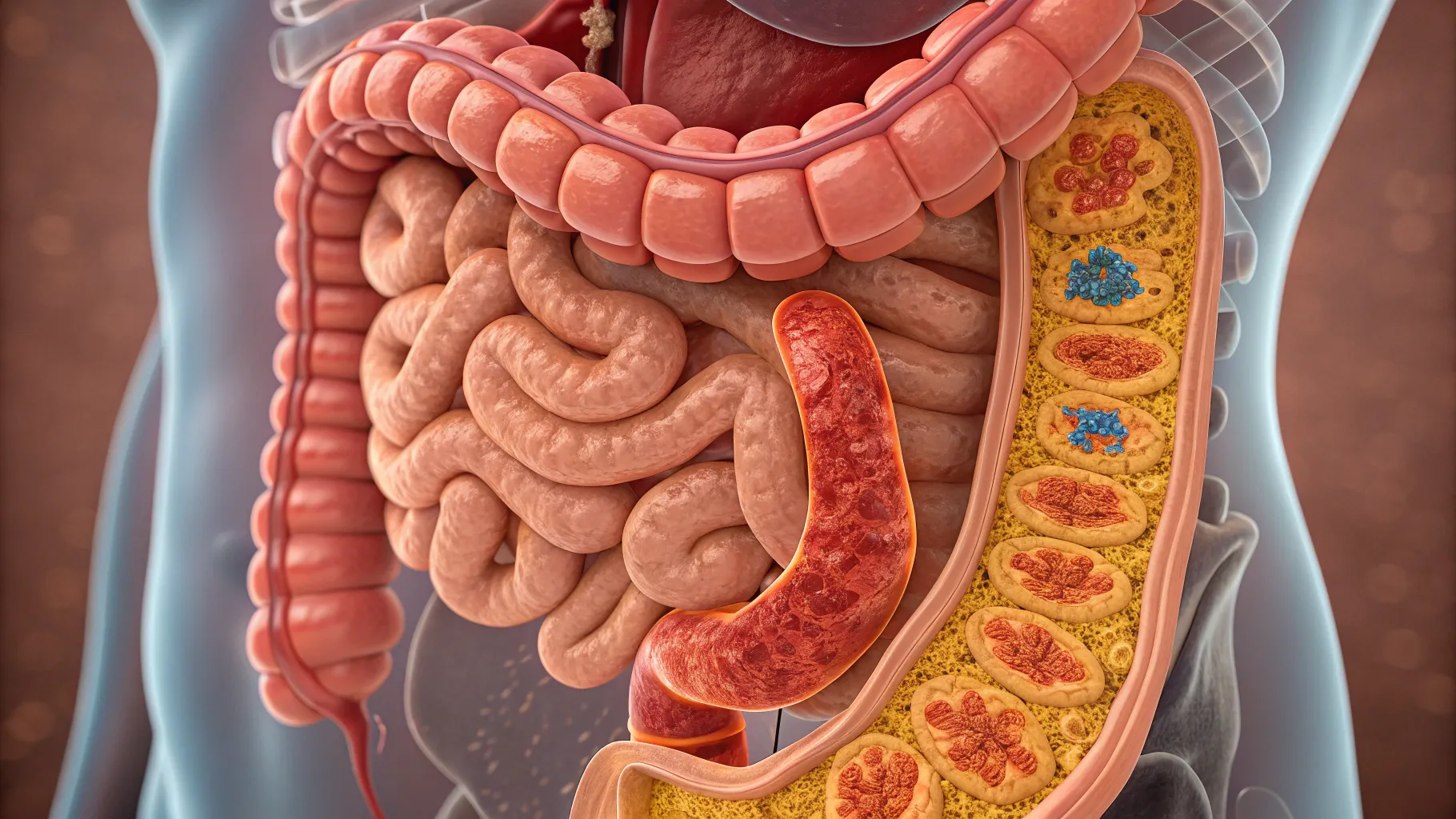
The fundamental difference lies in the areas of the digestive tract affected by each condition. Ulcerative colitis specifically targets the colon and rectum, whereas Crohn’s disease can impact any segment of the gastrointestinal tract, extending from mouth to anus. This geographic distinction plays a vital role in dictating both symptomatology and the available treatment modalities.
- Location of Inflammation: Colitis is confined to the large intestine, while Crohn’s can manifest through sporadic patches throughout the entire digestive tract.
- Depth of Inflammation: In colitis, inflammation typically affects the innermost mucosal layer. In contrast, Crohn’s disease can cause damage to deeper layers of the intestinal walls, often leading to complications.
Recent statistics from the American Gastroenterological Association indicate that nearly 1.6 million Americans currently experience IBD, with ulcerative colitis accounting for about 20% of these cases, and Crohn’s making up the remaining 80%. These figures highlight the varying complexities associated with each condition.
Common Symptoms and Diagnosis
Patients suffering from colitis and Crohn’s disease often present similar symptoms, which can sometimes lead to confusion and misdiagnosis. Both conditions can exhibit the following signs:
- Abdominal pain and cramping
- Diarrhea, occasionally bloody for those with colitis
- Weight loss
- Fatigue and exhaustion
- Loss of appetite
Nonetheless, Crohn’s disease may also surface with additional symptoms, such as:
- Fistulas, which are abnormal connections between intestinal parts or other body structures
- Strictures that cause narrowing in the intestinal pathway
- Nutritional deficiencies stemming from malabsorption
Diagnosing these conditions typically involves a multifaceted approach. Techniques include endoscopic evaluations, imaging technologies, and laboratory tests. The latest advancements in diagnostic strategies have considerably enhanced accuracy, enabling healthcare providers to deliver precisely tailored interventions for affected individuals.
Approaches to Treatment for Colitis and Crohn's Disease
Managing colitis and Crohn’s necessitates distinct yet sometimes overlapping treatment strategies. For colitis, the focus is primarily on reducing inflammation and maintaining long-term remission. Treatment options commonly include:
- Aminosalicylates: Anti-inflammatory medications that help control mild to moderate flares.
- Corticosteroids: Utilized for managing severe flare-ups and exacerbated symptoms.
- Immunosuppressants: Aimed at mitigating the body's autoimmune response.
Conversely, due to the varied nature of Crohn’s disease, treatment becomes more intricate. Alongside the medications mentioned above, patients may require:
- Biologics: These target specific inflammatory pathways, offering a specialized approach to treatment.
- Antibiotics: Necessary when complications like fistulas or infections are present.
A report published in the Journal of Clinical Gastroenterology within the last six months underscores the increasing utilization of biologics among Crohn’s patients, noting significant improvements in their overall quality of life. This trend highlights the evolving landscape of therapeutic interventions.
Living with IBD: Daily Life Impact
For individuals navigating life with colitis or Crohn’s, the effects extend beyond physical symptoms; mental well-being also plays a critical role. Many patients find themselves adjusting to a chronic illness that can induce stress, anxiety, and even depression. In 2025, research continues to affirm that mental health support is crucial to the comprehensive management of IBD. This support is essential as it fosters coping mechanisms and emotional resilience.
The findings from a 2025 study emphasize that patients benefitting from mental health services in conjunction with medical treatments demonstrated enhanced overall well-being and disease management. With this holistic approach, individuals are empowered to better handle their symptoms.
Dietary adjustments also significantly impact the life of someone with IBD. Different individuals may respond uniquely to various diets; some might thrive on high-fiber intake, while others find a low-residue diet more manageable. A collaborative effort with healthcare professionals can help in identifying a tailored dietary plan that enhances individual health outcomes.
Current Research and Future Directions
As 2025 unfolds, research into colitis and Crohn’s disease is particularly dynamic, offering a glimpse into promising future strategies. Clinical trials are presently exploring innovative therapies that aim to precisely target the immune system, minimizing potential side effects while simultaneously maximizing treatment efficacy. Particular interest surrounds the use of artificial intelligence in predicting flare-ups, which could revolutionize proactive patient care.
Recent statistics reveal that approximately 15% of adults diagnosed with IBD are currently participating in clinical trials, contributing vital data that can influence evolving treatment protocols and patient management models. This active engagement underscores the critical relationship between research and real-world patient care, ensuring that advancements lead to better health outcomes for those affected.
Ultimately, understanding the distinctions between colitis and Crohn’s empowers patients and healthcare providers alike. This awareness fosters informed discussions surrounding treatment options, guiding individuals as they navigate their unique journeys with IBD. Recognizing whether facing the abrupt challenges of an ulcerative colitis flare or managing the multifaceted nature of Crohn’s disease shapes the path toward effective treatment and an enhanced quality of life.