Understanding Degenerative Disc Disease and Spine Health
Understanding Degenerative Disc Disease and Spine Health
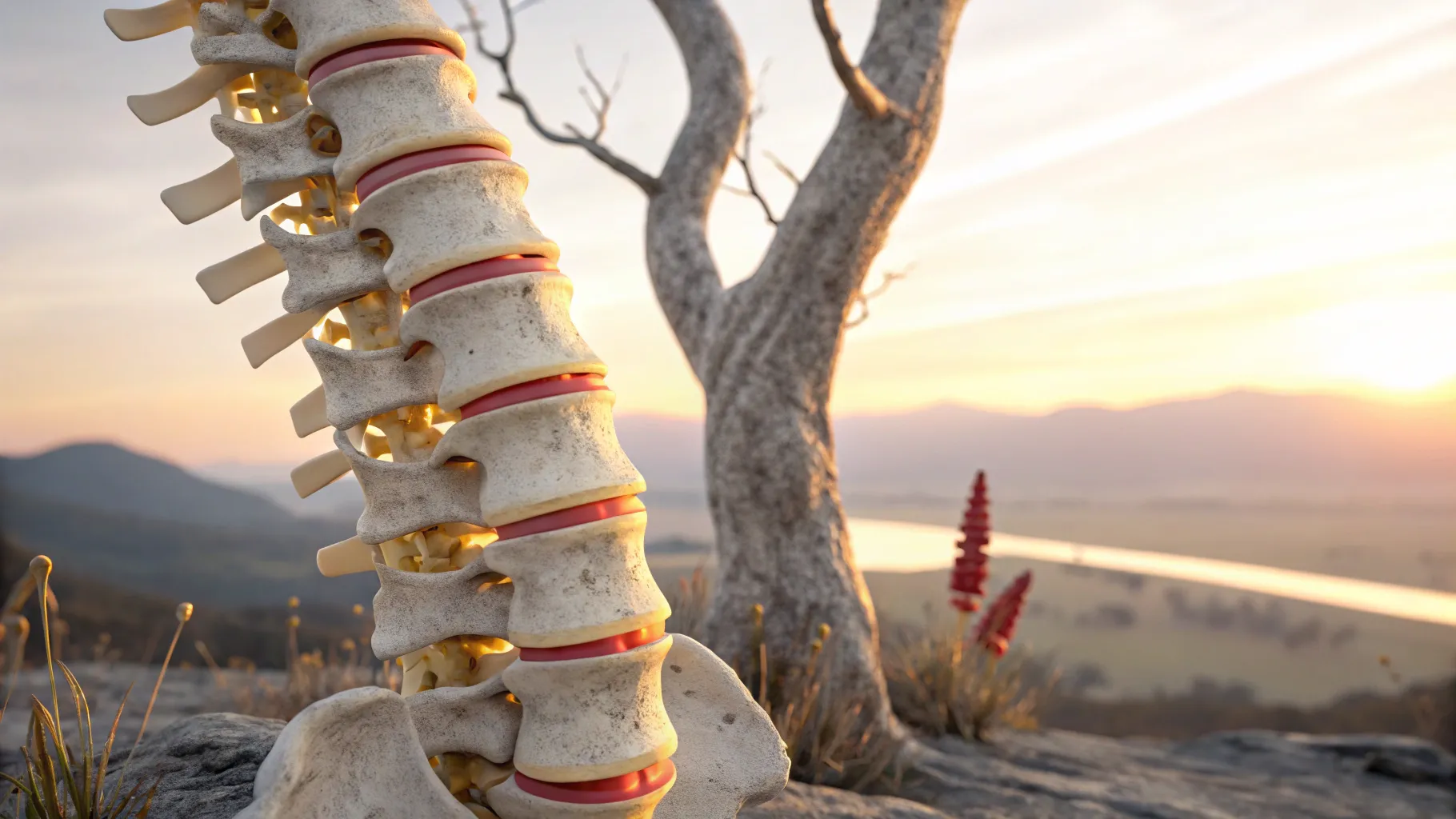
Degenerative disc disease (DDD) is a condition that affects millions of individuals globally, particularly as they age. Despite its name, DDD is not a disease but rather a natural part of the aging process. The discs in the spine act as shock absorbers between the vertebrae, allowing flexibility and movement. However, over time, these discs can wear down, leading to various issues, including back pain.
Recent studies indicate that approximately 40% of adults over the age of 40 may experience some level of disc degeneration by 2025. This deterioration of the intervertebral discs typically occurs gradually and may not present noticeable symptoms. However, when symptoms do arise, they often include persistent back pain, stiffness, and a reduced range of motion.
Understanding Back Pain Caused by Disc Degeneration
Back pain linked to degenerative disc disease can manifest in various ways depending on the severity of the degeneration and the individual’s overall health. The most common symptom is a persistent dull pain in the lower back that may worsen with movement or after prolonged periods of inactivity. Patients often describe this discomfort as a feeling of stiffness that limits their ability to perform everyday activities.
As the discs degenerate, they may also bulge or herniate, leading to increased pressure on surrounding nerves. In such cases, individuals might experience additional symptoms such as:
- Radiating pain to the legs or buttocks
- Numbness or tingling sensations
- Weakness in the legs
A recent case study this year highlighted a 52-year-old patient who experienced debilitating back pain due to DDD. Despite initial treatments like physical therapy, the patient's symptoms persisted until a spine specialist diagnosed her with a herniated disc alongside degenerative changes. This prompted a more targeted approach, including both non-surgical and surgical interventions.
How Doctors Diagnose and Manage Degenerative Disc Disease
Diagnosing degenerative disc disease typically involves a comprehensive evaluation that includes a detailed medical history, physical examination, and imaging tests such as MRI or X-rays. In 2025, advances in technology have allowed for more precise imaging, helping to assess the extent of disc degeneration and any associated complications.
Once diagnosed, management strategies can vary widely, depending on the severity of the condition and the individual’s specific symptoms. Common management techniques include:
- Physical Therapy: Implementing specific exercises designed to strengthen the muscles that support the spine, improve flexibility, and promote better posture.
- Pain Management: Options include medications such as NSAIDs, corticosteroids, or nerve blocks to help alleviate pain.
- Alternative therapies: Practices such as acupuncture, chiropractic adjustments, or massage therapy can also provide relief.
- Surgical Interventions: In severe cases where conservative treatments fail, surgical options like discectomy, spinal fusion, or artificial disc replacement may be considered.
For instance, John, a 58-year-old father of three, faced severe pain due to DDD. After exhausting conservative treatments, he opted for surgery, which allowed him to return to his favorite activities, like playing basketball. His case demonstrates the importance of a tailored approach in managing DDD effectively.
Ways to Relieve Stiffness and Discomfort Safely
Understanding ways to relieve discomfort associated with degenerative disc disease is crucial. Patients are encouraged to adopt lifestyle changes that promote spine health and minimize pain. Here are some effective strategies:
- Engaging in Regular Exercise: Low-impact exercises such as swimming, walking, or cycling can strengthen muscles without putting too much strain on the back.
- Maintaining a Healthy Weight: Excess weight can increase stress on the spine. Keeping a balanced diet and regular exercise routine can assist in weight management.
- Practicing Good Posture: Positioning the body properly while sitting, standing, or lifting can significantly alleviate stress on the vertebrae and discs. Ergonomic seating and workstations can also be beneficial.
- Utilizing Heat or Cold Therapy: Applying heating pads or cold packs can provide relief from stiffness and pain. Alternating between the two can improve circulation and reduce inflammation.
Effective management of degenerative disc disease often necessitates a holistic approach that incorporates both medical intervention and lifestyle adjustments. By staying informed and proactive, individuals can improve their quality of life, maintain their independence, and significantly reduce the impact of back pain caused by disc degeneration. This understanding fosters a supportive environment for those affected, encouraging them to seek the help they need for a more comfortable existence.
Information on Posture and Exercises for Spinal Care
As we continue to evolve in our understanding of spinal health, the role of posture cannot be understated. Maintaining good posture is crucial in preventing additional strain during daily activities. This includes:
- Keeping shoulders back and relaxed
- Aligning the head over the spine
- Avoiding slouching, especially while sitting for extended periods
Incorporating specific exercises into your routine can also strengthen and stabilize your spine. Here are some recommended exercises:
- Pelvic Tilts: This simple exercise helps to strengthen the abdominal muscles and relieve pressure on the lower back.
- Bridges: Lying on your back with knees bent, lifting your hips creates stability in the core and lower body.
- Cat-Cow Stretch: This yoga pose improves flexibility in the spine and helps alleviate stiffness.
- Wall Sits: This strengthens leg muscles while taking pressure off the spine.
This mixture of awareness regarding posture and dedicated exercises can help individuals not only manage their degenerative disc disease but also enhance their overall spinal health. Understanding one's body and incorporating these practices into everyday life is essential for long-term wellbeing.