Understanding Dark Spots: Treatments and Tips
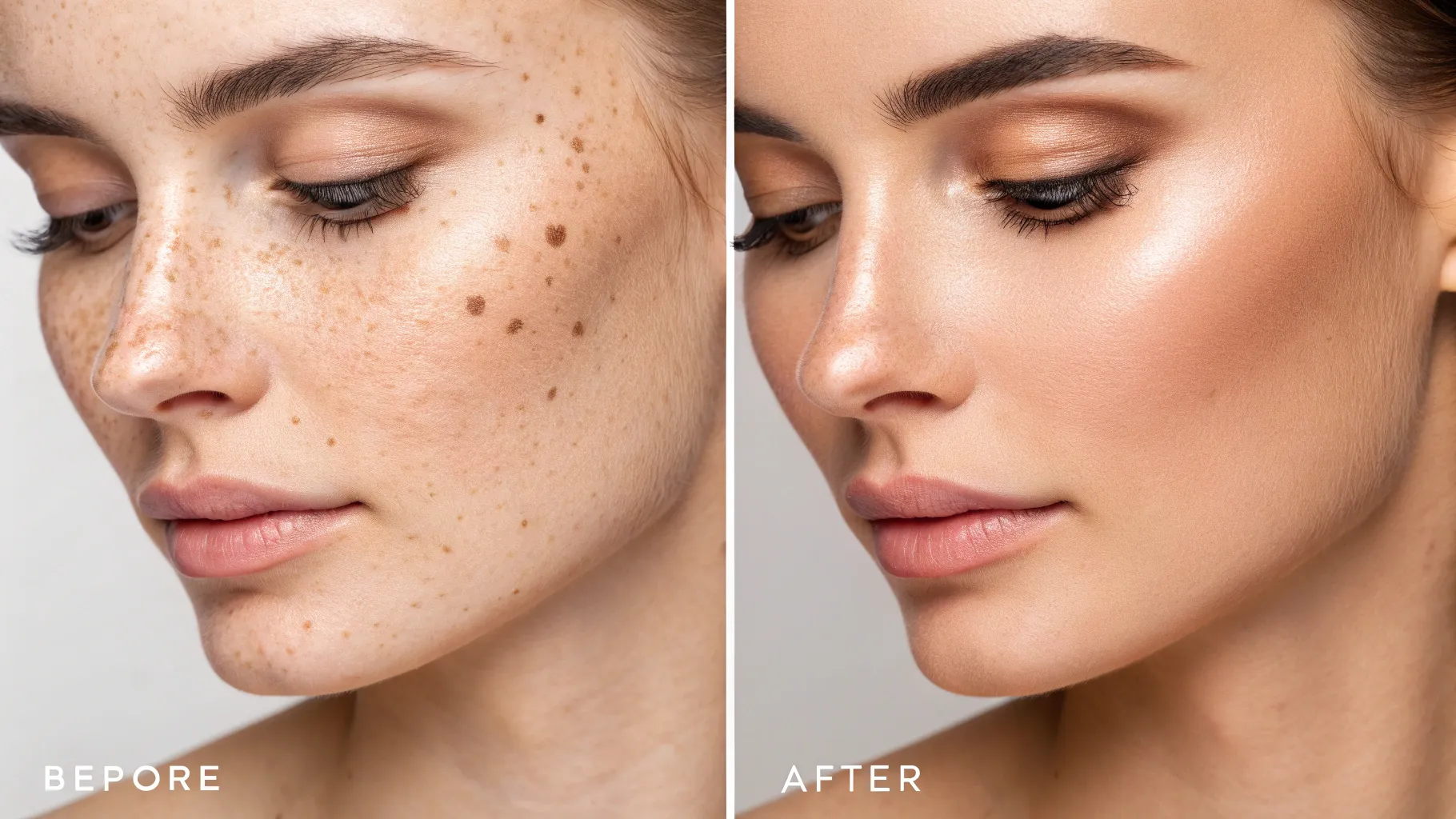
Dark Spot Removal Explained: Safe and Scientifically Supported Methods
Dealing with dark spots on the face is a common concern for many individuals. These skin blemishes, often resulting from factors like sun damage, hormonal changes, and the natural aging process, signal the need for understanding dark spots removal solutions. As we navigate through 2025, the beauty industry has made significant strides, presenting various treatments tailored specifically to different skin types and needs. In this article, we’ll explore the top strategies to remove dark spots on the face, giving you insight into popular treatments and how to achieve a clearer, even complexion.
Understanding Dark Spots and Their Causes
Dark spots, commonly referred to as hyperpigmentation or melasma, manifest when there’s an increase in melanin production in your skin. This overproduction can be prompted by a variety of factors, including:
- Excessive Sun Exposure: The sun’s ultraviolet rays can trigger increased melanin production, leading to darker patches on the skin.
- Hormonal Fluctuations: Conditions such as pregnancy or menopause often lead to changes in hormone levels that can result in dark spots.
- Certain Medications: Some prescriptions can alter skin pigmentation as a side effect.
- Skin Injuries or Inflammation: Picked acne or other injuries can lead to post-inflammatory hyperpigmentation.
- Aging: As skin matures, it becomes more prone to developing dark spots, especially if it has been exposed to the sun over the years.
Current statistics show that approximately 55% of adults experience some form of hyperpigmentation in their lifetimes, with sun exposure being the most common cause. Therefore, safeguarding your skin from harmful UV rays is a crucial step in prevention.
Top Treatments for Dark Spots
Thankfully, addressing dark spots involves multiple treatment approaches, with a range of treatments available. Here, we break down some of the most informative methods for managing dark spots that have been studied in 2025:
1. Topical Treatments
Topical treatments are often the primary and most accessible choice for those looking to fade dark spots. Many clinically studied creams and serums now exist that incorporate key ingredients including:
- Hydroquinone: Known for its skin-lightening properties, hydroquinone reduces the appearance of dark spots significantly over time.
- Retinoids: These vitamin A derivatives encourage skin cell turnover, helping to diminish dark spots and enhance overall texture.
- Vitamin C: This antioxidant-rich ingredient inhibits melanin production, promoting a brighter skin tone.
- Alpha Hydroxy Acids (AHAs): These mildly exfoliating agents help slough off dead skin cells and promote a healthier complexion.
Clinical studies conducted throughout 2025 suggest that consistent use of these ingredients can contribute to measurable reductions in dark spots when combined with sun protection
2. Chemical Peels
Chemical peels involve applying a specially formulated solution to the skin that causes it to exfoliate and eventually shed its outer layer to reveal new skin underneath. The advancements in chemical peel technology have made this option a widely studied method for managing dark spots Depending on the potency of the chemical solution, peels can target various depths of pigmentation:
- Glycolic Acid Peels: Ideal for treating milder cases of hyperpigmentation and enhancing overall skin tone.
- Salicylic Acid Peels: Especially effective for individuals with oily skin, these peels combat dark marks induced by acne.
- TCA (Trichloroacetic Acid) Peels: These stronger peels are recommended for stubborn dark patches.
Recent data indicates that patients may observe changes in skin appearance after one treatment session, depending on skin type and severity, making chemical peels a commonly referenced option in dermatological studies.
3. Laser Treatments
The popularity of laser treatments for dark spots has surged, gaining trust among skincare enthusiasts eager to restore their complexion. Different laser technologies, such as fractional lasers and intense pulsed light (IPL), effectively target areas of hyperpigmentation:
- These treatments work by breaking down melanin particles, which are either absorbed by your skin or expelled naturally.
- Additionally, they encourage collagen production, significantly improving skin texture and tone.
Clinical trials completed this year have reported that participants showed measurable reduction in dark spots after multiple laser sessions. Each session is spaced several weeks apart to facilitate proper skin recovery. Consulting with a qualified dermatologist is essential to determine which laser method is suitable for your skin type.
4. Lifestyle Adjustments
Beyond medical interventions, making certain lifestyle adjustments can greatly enhance your skin’s ability to cope with dark spots. Here are essential tips for everyday practice:
- Regular Use of Sunscreen: Always apply a broad-spectrum sunscreen with an SPF of at least 30, even on overcast days, to shield your skin from UV damage.
- Balanced Diet: Focus on consuming a diet high in antioxidants and healthy fats, which contribute to healthier skin.
- Stay Hydrated: Drinking plenty of water keeps your skin hydrated and supports natural detoxification processes.
- Avoid Pick at Your Skin: This habit exacerbates pigmentation problems and can lead to even more visible dark spots.
Each of these lifestyle choices complements topical or clinical treatments to maximize their contribution to healthier-looking skin.
Dark spots can be challenging, but current treatments provide well-studied approaches to manage pigmentation. Whether you choose topical solutions, chemical peels, laser therapies, or lifestyle adjustments, consistency and guidance from a dermatologist are essential. Understanding and applying these strategies helps support skin clarity and health over time.