Understanding Common Autoimmune Diseases and Their Impact
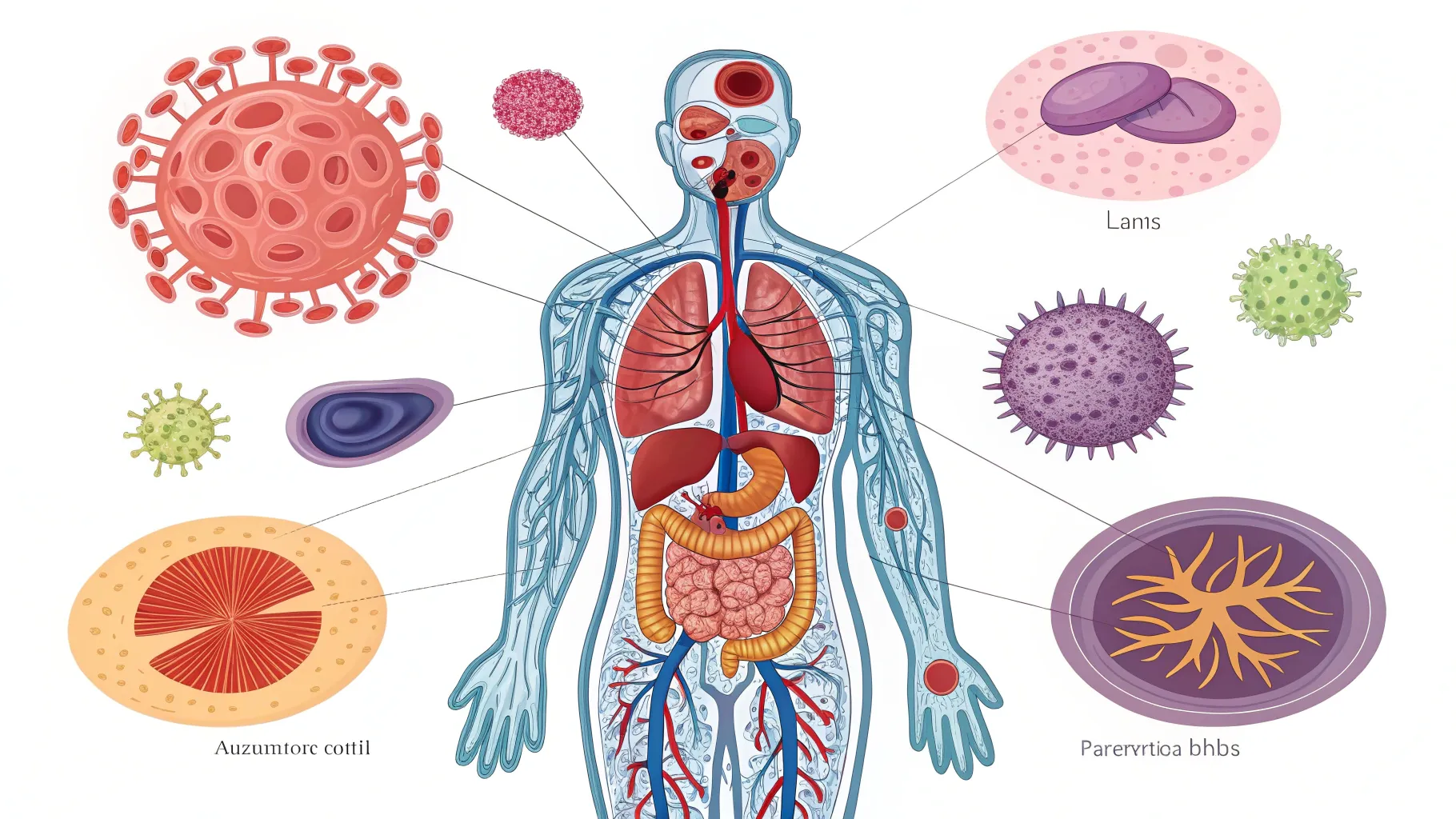
Understanding Common Autoimmune Diseases
Autoimmune diseases affect millions of people across the globe, creating a myriad of health challenges for those diagnosed. In fact, recent estimates indicate that around 24 million individuals in the United States alone are grappling with these often debilitating conditions. These diseases arise when the immune system, which is meant to protect the body, mistakenly attacks healthy cells, treating them as threats. Understanding the nuances of autoimmune conditions is crucial for individuals, families, and support networks alike.
What Happens in Autoimmune Conditions?
The immune system typically functions as an intricate defense mechanism, ready to fight infections and diseases. However, in autoimmune conditions, this system misidentifies the body’s own tissues as foreign. This can lead to inflammation, pain, and significant disruption of normal bodily functions. Each autoimmune disorder is unique, affecting various systems and organs within the body. For example, rheumatoid arthritis (RA) primarily impacts joints, while lupus can affect skin, joints, and even internal organs.
Exploring Common Types of Autoimmune Diseases
Among the many autoimmune diseases, several are more commonly diagnosed and understood. Each presents its own set of symptoms and challenges:
- Rheumatoid Arthritis (RA): RA is one of the most prevalent autoimmune conditions, characterized by painful swelling and stiffness in the joints. It often affects both sides of the body and can lead to significant mobility issues. More than 1.3 million Americans live with RA, and its prevalence continues to create health care challenges.
- Lupus: This unpredictable disease can impact various organs including the skin, joints, and kidneys. About 1.5 million individuals in the U.S. are estimated to have lupus. One of the disease’s hallmark symptoms is a butterfly-shaped rash across the cheeks and nose, which serves as a reminder of the disease's often-visible impacts.
- Multiple Sclerosis (MS): Affecting the central nervous system, MS brings forth a range of neurological symptoms such as fatigue, balance issues, and cognitive changes. Currently, approximately 1 million adults in the U.S. are living with MS, making it another critical focus for ongoing research.
- Type 1 Diabetes: This disorder results from the immune system targeting insulin-producing cells in the pancreas. Managing blood sugar levels becomes vital for those diagnosed. Approximately 1.6 million people in the U.S. have Type 1 diabetes, a number that has consistently increased in recent years.
- Celiac Disease: Triggered by gluten consumption, celiac disease prompts severe damage to the small intestine, leading to digestive issues. It affects an estimated 1 in 141 individuals in the U.S., calling for greater awareness and understanding of dietary management.
Recognizing Symptoms and Diagnosing Autoimmune Disorders
The symptoms associated with autoimmune diseases are incredibly diverse and can overlap significantly from one condition to another. Commonly reported symptoms include fatigue, inflammation, joint pain, and skin rashes. These overlapping symptoms complicate the diagnostic process, often requiring extensive medical evaluations.
Diagnosis typically involves a combination of methods including:
- Blood tests to identify specific autoantibodies that indicate an autoimmune response
- Imaging tests like MRIs or CT scans to check for organ damage or inflammation
- Physical examinations that assess visible symptoms such as joint pain and skin issues
Each diagnostic scenario is unique, often requiring an experienced healthcare professional who understands the intricate nature of these disorders.
Recent Research and Insights on Autoimmune Health
As we progress through 2025, real-time research provides a deeper understanding of autoimmune diseases. Recent studies have delved into how genetic factors influence the onset and progression of these conditions, revealing potential avenues for targeted therapies. For example, a recent study published early this year highlighted specific gene variants linked to rheumatoid arthritis, which offers hope for the development of personalized treatment strategies.
Furthermore, lifestyle changes have become a significant focal point in the management of autoimmune conditions. Non-drug interventions such as dietary alterations and regular physical activity have shown promising results in minimizing symptoms and improving quality of life. For instance, many patients living with lupus have reported fewer flare-ups when adhering to an anti-inflammatory diet rich in omega-3 fatty acids and antioxidant-rich foods.
Additionally, the mental health aspect associated with living with an autoimmune disease cannot be overlooked. Stress and anxiety are known to exacerbate symptoms, emphasizing the need for psychological support and wellness strategies. Healthcare providers increasingly recommend mindfulness practices and stress-relief techniques as part of a comprehensive approach to treatment.
Inspirational Stories from the Autoimmune Community
Real-world examples often illuminate the journey of those battling autoimmune diseases. For example, Sarah, a 32-year-old diagnosed with Multiple Sclerosis, found relief and improved quality of life after joining a clinical trial focused on a new immunotherapy regimen. Her progress has sparked hope among many in the MS community, showcasing the potential for innovative treatments and the importance of staying engaged with ongoing research.
Another inspiring case is that of Robert, who has managed Type 1 Diabetes since childhood. By making dietary changes to include more plant-based foods and focusing on regular exercise, he has experienced significant stabilization in his blood sugar levels. His experience underscores the role of lifestyle modifications as complementary to traditional medical management.
While the challenges posed by autoimmune diseases can often feel daunting, advancements in understanding and treatment offer optimism for those affected. Staying informed and proactive about health decisions empowers individuals to navigate their conditions more effectively. The commitment to ongoing research continues to yield insights that pave the way for improved outcomes and enhanced understanding of these complex health issues.