Understanding Colitis Symptoms and Early Warning Signs
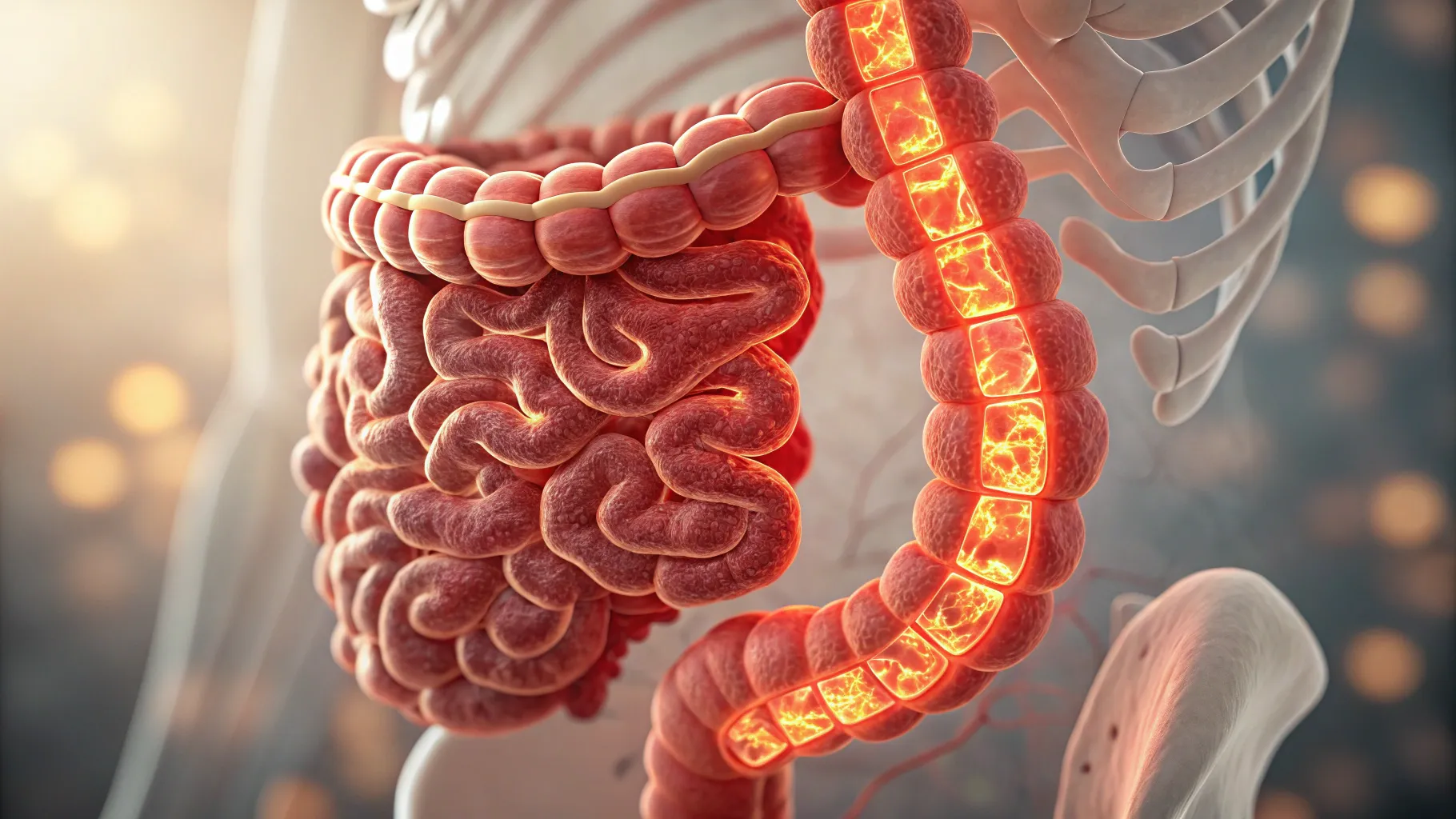
Understanding Colitis Symptoms
Colitis is a chronic inflammatory condition affecting the colon, classified under inflammatory bowel disease (IBD). As of 2025, an estimated 1.6 million people in the United States are living with IBD, including ulcerative colitis and Crohn’s disease. These disorders can affect not only the digestive system but also a person’s emotional health and overall quality of life. Gaining a deeper understanding of colitis symptoms is essential for improving disease management and promoting long-term well-being.
Common Symptoms of Colitis
Colitis symptoms can greatly vary from one individual to the next, often presenting in degrees of severity. Recognizing these symptoms can lead to earlier diagnosis and enhanced management options. Here's a detailed look at the common symptoms:
- Abdominal Pain: This symptom usually manifests as persistent cramping or discomfort in the lower abdomen. It can begin as a mild ache and escalate to severe pain that interferes with daily activities.
- Diarrhea: A hallmark of colitis, diarrhea can occur frequently, sometimes extensively on a daily basis. If this is accompanied by blood or mucus, it can be alarming and deserves immediate medical attention.
- Fatigue: Chronic fatigue is prevalent among colitis patients. It often stems from both systemic inflammation and nutrient malabsorption, making it essential to address through dietary and lifestyle improvements.
- Weight Loss: Unintentional weight loss can occur due to a reduced appetite and the body's inability to absorb essential nutrients effectively. This can lead to a significant decline in health over time.
- Fever: During flare-ups, a low-grade fever may present, indicating your body’s response to inflammation. Monitoring your temperature can help you understand flare-up patterns.
- Rectal Bleeding: Finding blood in your stool is a serious symptom that warrants immediate attention from healthcare providers.
- Changes in Bowel Habits: Individuals may alternate between constipation and diarrhea, which can be painful and distressing, signifying underlying inflammation in the bowel.
Due to the overlapping symptoms with other gastrointestinal disorders, anyone facing these signs should seek professional medical advice promptly for a thorough evaluation, as timely diagnosis can make a significant difference.
Identifying Early Signs of Colitis
The early signs of colitis are essential for prompt intervention and treatment. Identifying these signs can lead to better management strategies and prevent complications:
- Minor Abdominal Discomfort: Often, the initial symptom could be mild cramping, symbolizing the onset of inflammation in the colon.
- Increased Bowel Movements: A significant increase in the urgency and frequency of bowel movements is one of the first noticeable changes.
- Persistent Fatigue: Feelings of exhaustion that do not alleviate with rest could hint at underlying issues, such as colitis.
Maintaining a symptom diary can be incredibly beneficial, allowing you to track the occurrence, frequency, and severity of symptoms. This information can be invaluable during medical consultations, providing healthcare professionals insight into your condition.
Colitis Flare-Up Symptoms
Many individuals diagnosed with colitis experience a cyclical pattern of remission and flare-ups. During flare-ups, symptoms can surge in intensity and frequency, making everyday life more challenging:
- Intense Abdominal Cramping: Patients often complain of severe abdominal pain that significantly disrupts their daily routine.
- Worsening Diarrhea: Some individuals may find themselves in the restroom upwards of 10-20 times a day, increasing the risk of dehydration.
- Nausea and Vomiting: Increased nausea can accompany flare-ups, complicating nutritional intake further.
- Severe Fatigue: During flare-ups, fatigue drastically increases, often compounded by pain and further nutritional deficiencies.
One key to managing flare-ups is recognizing personal trigger factors, which might include stress, dietary choices, and lifestyle habits. Implementing strategic lifestyle changes, such as a balanced diet rich in whole foods, and stress-relief practices, including yoga or mindfulness, can significantly mitigate flare-up frequency.
Differences Between Colitis and Crohn’s Disease
Distinguishing between colitis and Crohn's disease is crucial for effective treatment. Although both conditions fall under the umbrella of IBD, they have different presentations and treatment needs:
- Location of Inflammation: Colitis primarily involves the colon and rectum, while Crohn's disease can impact any segment of the gastrointestinal tract, from mouth to anus.
- Type of Inflammation: Colitis typically results in continuous areas of inflammation, whereas Crohn's disease can create patchy areas that skip sections.
- Symptoms Variability: While overlapping symptoms exist, Crohn’s can lead to systemic issues such as joint pain and skin problems, which are less common in colitis cases.
Recent studies show that around 70% of individuals with IBD are diagnosed with ulcerative colitis, while Crohn’s disease accounts for approximately 30% of cases. Understanding these distinctions allows medical professionals to tailor treatment approaches that are individualized and effective.
In summary, being informed about the symptoms and nuances of colitis is crucial for managing this condition effectively. If you or someone you care about is experiencing symptoms indicative of colitis, seeking prompt medical advice can lead to better management strategies. Advances in research and treatment options are continuously evolving, promising improved care tailored to each patient's unique needs.