Understanding Colitis Symptoms for Better Digestive Health
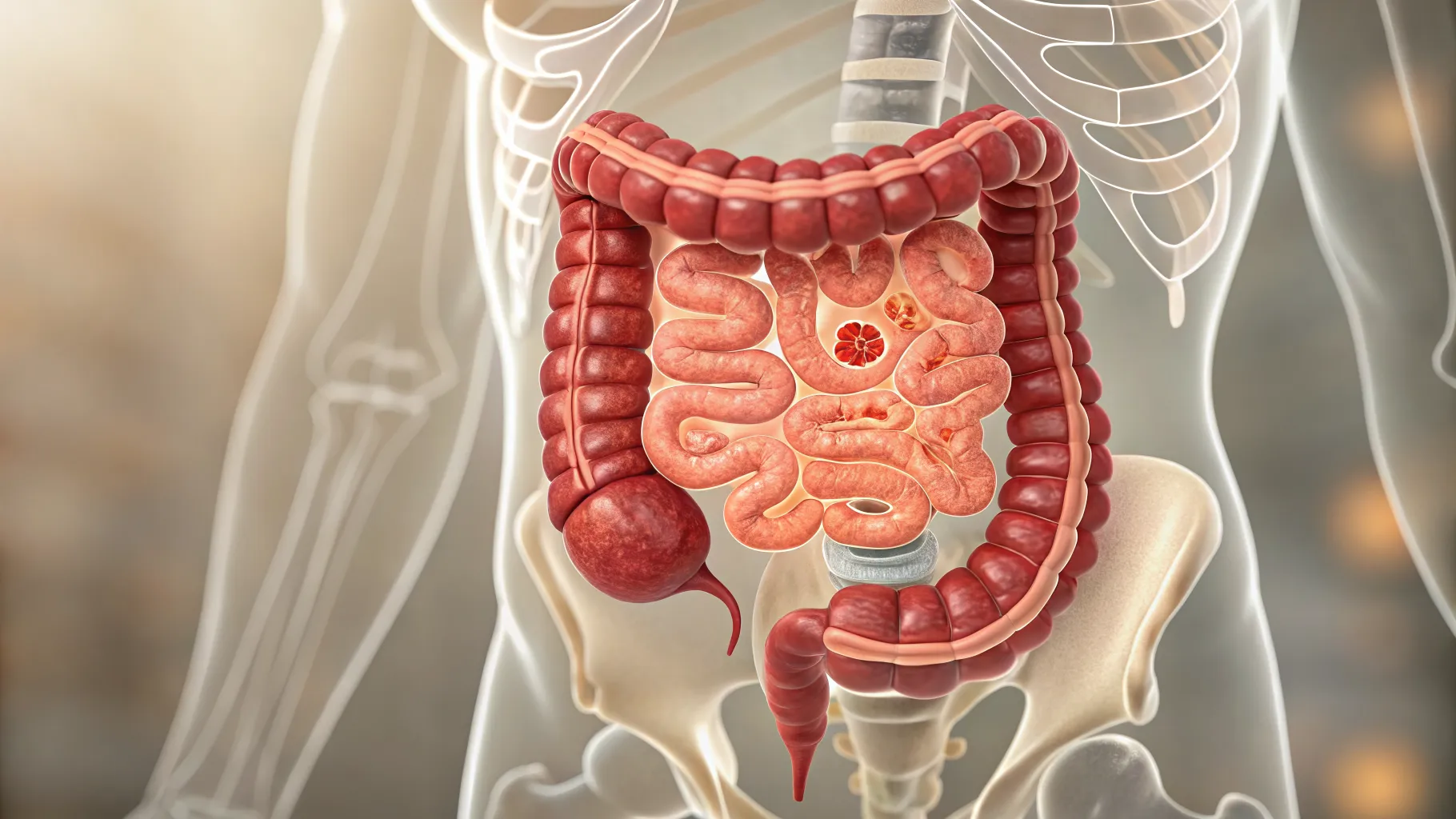
Symptoms of Colitis Explained
Colitis stands for inflammation of the inner lining of the colon, leading to various symptoms that considerably impact digestive health. These symptoms can range from mild discomfort to severe issues, underlining the importance of early detection and management. By familiarizing themselves with colitis symptoms, individuals can take timely action to seek medical attention, thus enhancing their overall well-being.
Identifying Early Signs of Colitis
Recognizing colitis symptoms in their initial stages is crucial, as the onset is often gradual and may be misinterpreted as typical digestive discomfort. Some of the early signs include:
- Abdominal Pain: Sharp or cramping abdominal pain is frequently one of the first signs. Many people notice this sensation before or after bowel movements, indicating potential issues.
- Diarrhea: This symptom often involves watery stools occurring multiple times a day, sometimes accompanied by blood or mucus. Keeping track of the number and consistency of bowel movements is essential.
- Fatigue: Chronic digestive issues may lead to fatigue, resulting from nutrient malabsorption and dehydration. This is often downplayed in the broader context of health.
- Loss of Appetite: A decrease in appetite can occur, potentially resulting in unintended weight loss, which is often dismissed until it becomes significant.
- Nausea: A lingering feeling of nausea can develop, further complicating the discomfort associated with the aforementioned symptoms.
Healthcare professionals recommend closely monitoring these symptoms, particularly if they persist beyond a few days, as they may signal the need for medical assessment.
Navigating Digestive Health and Colitis
Colitis can present itself in several forms, the most recognized being Ulcerative Colitis and Crohn's Disease, both categorized as Inflammatory Bowel Disease (IBD). Focusing on digestive health is vital, especially when affected by these conditions. The symptoms of colitis can severely disrupt daily activities, making it challenging to participate in work or social settings.
Recent research indicates that approximately 1.6 million Americans are living with inflammatory bowel diseases. A notable increase in diagnoses among younger adults has emerged over the past few years. Experts point to environmental influences and dietary habits as potential factors contributing to this rising trend.
Awareness of Colitis Symptoms
Aside from the early signs, a variety of other symptoms may assist in identifying colitis more accurately:
- Bloody Stool: The presence of blood in stool is a significant red flag, often indicating severe inflammation or bleeding in the colon, necessitating immediate medical attention.
- Urgent Need to Defecate: Many people experience an urgent need for bowel movement, which can induce feelings of embarrassment and anxiety.
- Joint Pain: Curiously, colitis can sometimes be associated with joint pain or inflammation, highlighting the interconnectedness of bodily systems.
- Skin Rashes: Certain types of colitis might surface with skin-related symptoms, including rashes or sores, adding complexity to the diagnosis.
Symptoms vary significantly among individuals, and their intensity can shift over time. Maintaining a detailed symptom diary could prove invaluable for both patients and healthcare providers when identifying patterns and potential triggers.
Recent Stats on Inflammatory Bowel Disease Symptoms
Current data underscores a significant upturn in public awareness and diagnoses pertaining to colitis and related conditions. For example, healthcare facilities have reported a remarkable 20 percent rise in new cases of Ulcerative Colitis across the United States. This increase is particularly noteworthy in light of the lifestyle changes spurred by the pandemic in recent years.
Concerningly, many newly diagnosed patients remain unaware of their symptoms or misconstrue them, leading to delays in seeking appropriate care. Statistics reveal that roughly 30 percent of individuals experiencing severe colitis symptoms pursue medical help. This alarming gap highlights a pressing need for increased education regarding colitis symptoms and their implications for broader digestive health.
Living with Colitis: Insights and Management
For diagnosed individuals, knowing that effective management and treatment options are accessible can be a source of comfort. Many achieve relief through a combination of dietary adjustments, medications, and lifestyle changes designed to mitigate symptoms. Here are some common strategies:
- Dietary Adjustments: Identifying and avoiding trigger foods, such as dairy or high-fiber items during flare-ups, can significantly enhance symptom management.
- Hydration: It’s critical to maintain adequate hydration, particularly during diarrhea episodes, to fend off dehydration that can exacerbate health issues.
- Stress Management: Stress serves as a known catalyst for many digestive disorders. Engaging in mindfulness techniques or seeking therapy can greatly enhance overall health and symptom control.
Living with colitis can be a challenging journey, often necessitating significant lifestyle adjustments and ongoing symptom monitoring. Individuals should remember they are not alone, as various support systems are available through local and online communities.
Education, awareness, and advocacy are essential components in managing colitis effectively. By recognizing the symptoms, individuals empower themselves to take proactive steps towards improved digestive health, ultimately fostering a better quality of life. In 2025, increased public knowledge and medical advancements continue to offer hope for those battling colitis, paving the way for enhanced care and support.