Understanding Colitis in Seniors: Key Signs and Causes
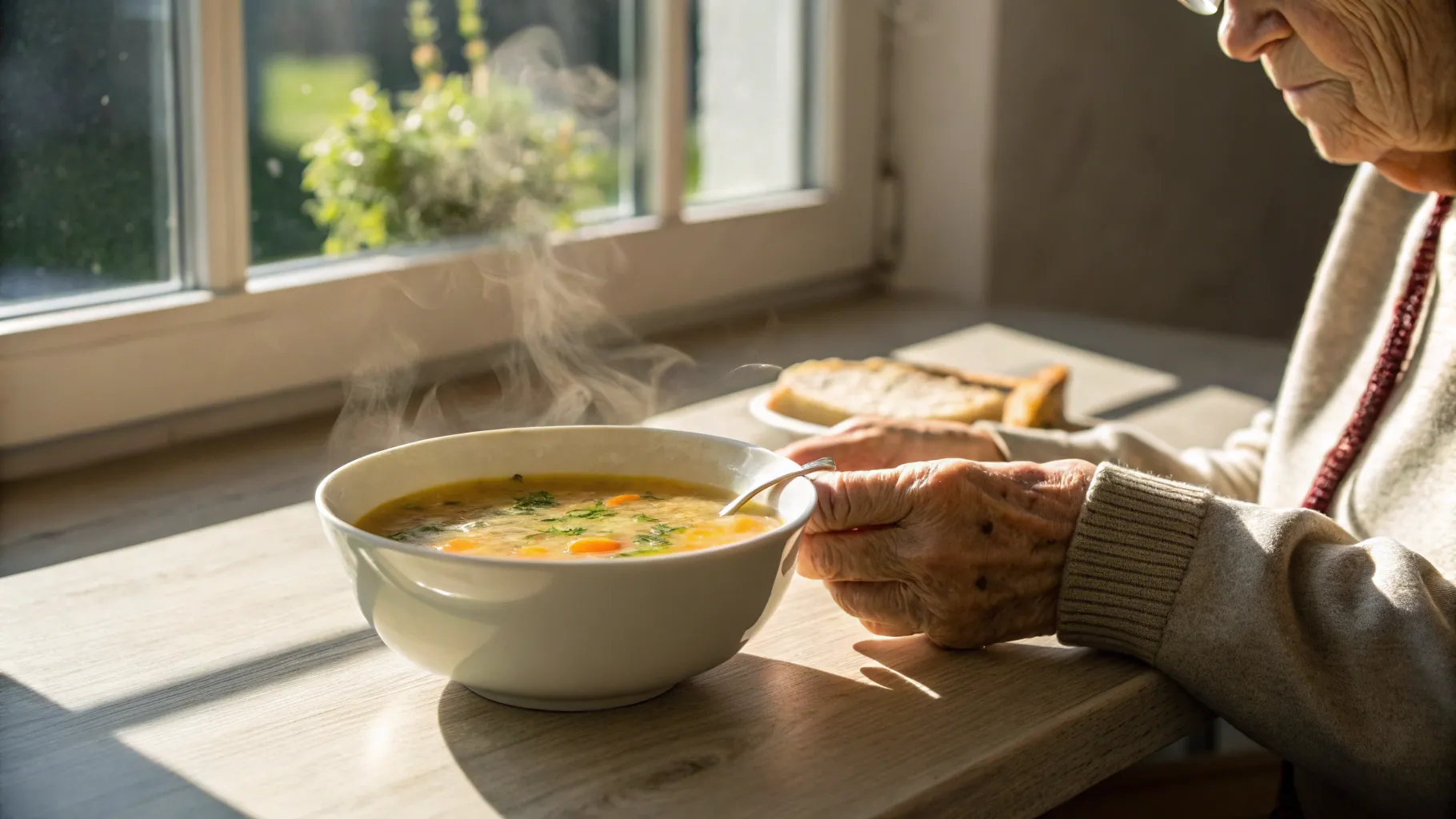
Understanding Colitis in Seniors: A Comprehensive Guide
Aging opens doors to countless memories and experiences, marking it as a notable journey. However, the golden years are often accompanied by unique health concerns like colitis, a form of inflammatory bowel disease. It's crucial for seniors to recognize and comprehend colitis because they may be more susceptible to its impacts due to pre-existing conditions and slower recovery rates.
Symptoms and Causes of Colitis in Elderly Patients
Colitis can be elusive in senior citizens as it often masquerades as other health issues, making accurate diagnosis challenging. Common symptoms include abdominal pain, cramping, bloating, and frequent diarrhea. Elderly patients may experience a pressing need for bowel movements, sometimes noticing blood or mucus in the stool. Given the overlap of these symptoms with other conditions, seeking medical advice is essential.
Infections from viruses or bacteria are potential triggers for colitis, but non-infectious causes tend to be more prevalent in older adults. Ischemic colitis arises from reduced blood flow to the intestines and is a frequent issue among seniors. Additionally, prolonged use of non-steroidal anti-inflammatory drugs (NSAIDs) for arthritis can exacerbate inflammation, complicating both diagnosis and treatment plans.
How Colitis Affects Daily Life for Seniors
Seniors diagnosed with colitis often encounter substantial lifestyle changes. Managing colitis becomes increasingly complex when compounded with conditions such as heart disease or diabetes. Extended hospital stays are not uncommon, underscoring the importance of effective management techniques.
Malnutrition presents a significant concern. Chronic diarrhea and nutrient loss can hinder seniors' capability to maintain a nutritious diet, resulting in weight loss and weakened immunity. A 2024 research study revealed that malnourished seniors with colitis face a 30% greater risk of complications during treatment.
Frequent restroom trips pose another challenge, increasing the risk of falls and impacting mobility. This can lead to social withdrawal, as many elders become anxious about managing sudden bathroom needs in social settings, leading to isolation.
An In-Depth Look at Ulcerative Colitis in Seniors
Ulcerative colitis, a chronic variant affecting the colon, takes a unique trajectory in seniors compared to younger individuals. While it may develop at a slower rate, the severity often remains pronounced. Current research from 2025 found that elderly patients with ulcerative colitis require hospitalization 20% more frequently due to complications such as bowel perforations versus younger patients.
Treatment options include medications such as aminosalicylates and corticosteroids targeting inflammation. However, older adults need careful monitoring due to potential side effects. When treatments are ineffective, surgery becomes a viable option.
A pivotal component of managing colitis is dietary changes. A low-residue diet helps many seniors by minimizing discomfort and reducing bowel movement frequency, enhancing overall comfort.
Implementing Proactive Management and Prevention Strategies
While colitis prevention may not be entirely feasible, adopting certain proactive approaches can significantly reduce its impact. Regular medical check-ups ensure early detection and timely intervention, preventing exacerbations.
Maintaining a balanced diet rich in fresh fruits, vegetables, and whole grains is critical for gut health. Adequate hydration is also vital, facilitating smooth digestion and mitigating inflammation. Seniors should speak with healthcare providers about alternatives to NSAIDs to preserve gut health.
Light exercises, such as swimming or tai chi, provide both physical benefits and support mental well-being. Remain socially active to reduce stress—an often overlooked contributor to colitis flare-ups. Participating in social groups not only offers companionship but also decreases symptoms by reducing isolation.
In conclusion, while colitis presents significant challenges in later life, an informed approach enables seniors to manage it effectively. By seeking early intervention, adhering to a precise treatment plan, and embracing lifestyle changes, it's possible to navigate colitis successfully, ensuring it doesn't overshadow the joys of aging.