Understanding Cold Sensitivity in Seniors and Their Care
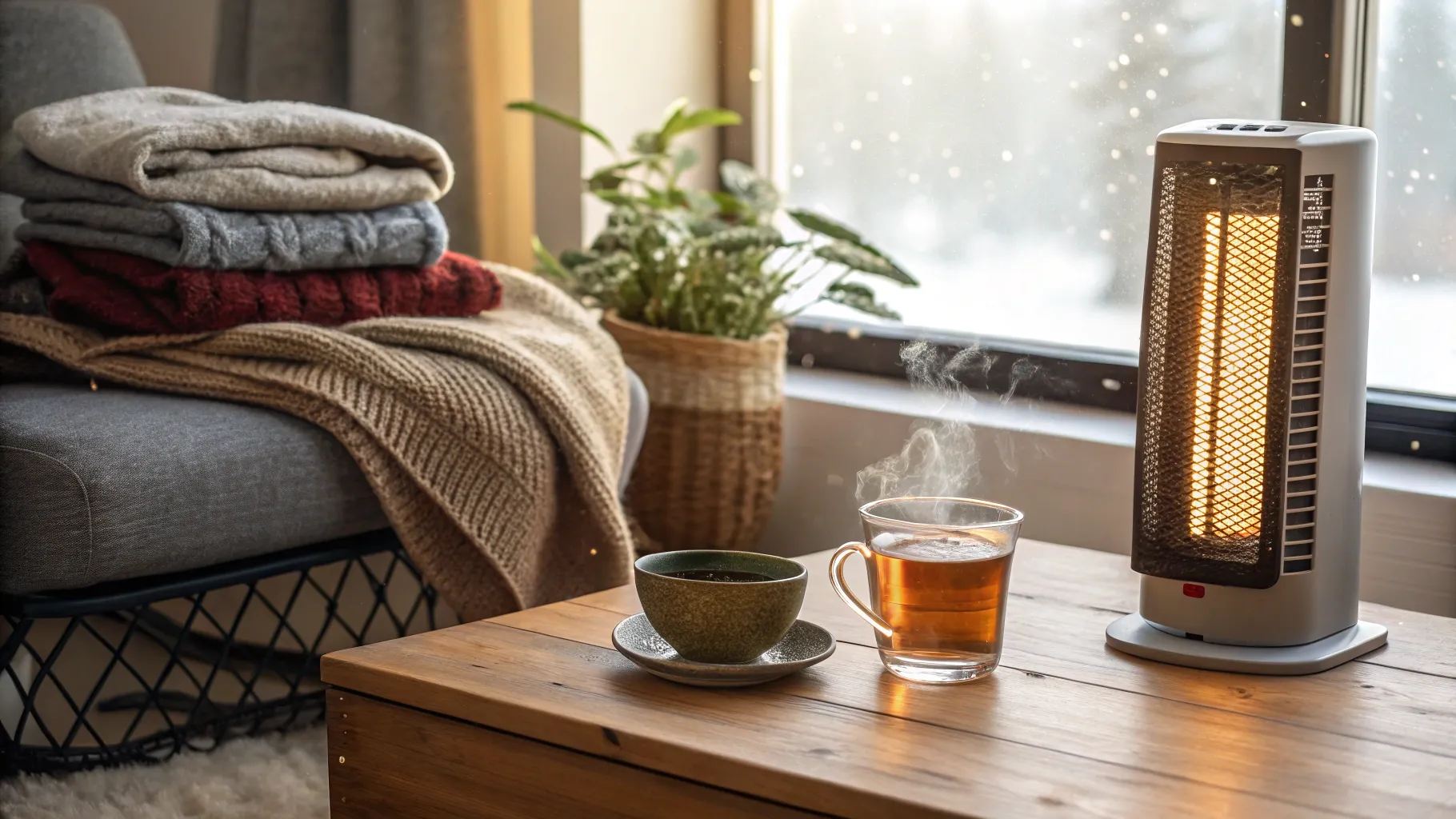
Understanding Sensitivity to Cold Temperatures
Sensitivity to cold temperatures is more than just a popular winter complaint; it's a significant health concern affecting many people, especially seniors and those with particular medical conditions. As 2025 unfolds with unpredictable climate changes, it becomes increasingly important to understand cold sensitivity and its implications on well-being. Individuals experiencing this sensitivity may find that even mild chills can lead to discomfort, affecting their daily lives and activities. Recognizing and managing these responses is essential for health and comfort during the frigid months.
What Causes Cold Sensitivity?
The human body reacts in complex ways to falling temperatures, leading to what we commonly refer to as cold sensitivity. When exposed to lower temperatures, our body’s blood vessels narrow, a process known as vasoconstriction, to conserve heat. This reaction can lead to decreased blood flow to extremities, especially the fingers and toes, which results in a variety of uncomfortable symptoms:
- Cold, numb, or tingling extremities
- Chilblains, which are painful swellings caused by exposure to cold
- Skin discoloration, appearing pale or blue in colder environments
- Worsening joint pain, particularly in conditions like arthritis
- Increased feelings of fatigue and lethargy
Older adults are particularly susceptible to cold sensitivity. Recent statistics indicate that over 60% of seniors report increased discomfort during colder weather, especially in winter. Factors like reduced metabolic rates complicate this issue, making it harder for them to generate sufficient body heat. Furthermore, with aging, the body’s ability to regulate temperature diminishes greatly. It's vital to recognize these changes, as they can significantly impact the quality of life for older individuals during the chilly seasons.
Senior Temperature Response
Seniors face unique challenges when adapting to cold temperatures. Changes in circulation significantly affect their comfort levels. Many older adults take medications that can alter blood vessel behavior, making them more prone to cold-related discomfort. For instance, blood pressure medications may cause blood vessels to be more dilated, impacting the body’s response to cold. Additionally, with age comes a natural decrease in muscle mass, which plays a key role in heat production. This combination of factors means that for many older souls, staying warm in winter isn't just a preference; it's often an uphill battle.
Healthcare professionals emphasize the importance of personalized exercise regimens to help seniors maintain muscle mass and promote better circulation. Gentle activities like walking, swimming, or even chair exercises can improve blood flow and offer comfort. Programs designed specifically for seniors have gained traction, encouraging them to stay active even when the weather gets frosty.
Signs of Cold Sensitivity
Recognizing cold sensitivity can be critical, as it goes beyond visible symptoms. Behavioral patterns often give insight into how someone is coping with cold temperatures. Common signs include:
- A tendency to avoid outdoor activities during colder months, even those enjoyed in warmer times
- Seeking excessive warmth through heavy clothing or heated blankets
- Expressing discomfort verbally, often mentioning feeling colder than those around them
- Observable physical changes, such as flushing red or blue skin in response to the cold
These signs are vital for caregivers and family members to identify when someone struggles with colder environments. Greater awareness within the healthcare community has led to improved climate control measures in facilities, ensuring that vulnerable individuals receive the necessary support. By fostering an environment that prioritizes warmth and comfort, facilities can help alleviate some of the challenges that come with cold sensitivity.
Effectively Managing Cold Sensitivity
Managing cold sensitivity effectively can significantly enhance daily life, especially for those most affected. While there is no single magic solution, a combination of sound medical advice and practical lifestyle adjustments can make a big difference. Here are several strategies that seem to work wonders:
- Layering clothing: Dressing in multiple layers is one of the best defenses against the cold. Thermal undergarments act as excellent base layers, helping to capture and maintain warmth without adding bulk.
- Space heaters: Utilizing space heaters in specific rooms can create cozy environments. However, always keep safety in mind when using these devices to prevent fire hazards.
- Stay active: Gentle exercises increase blood circulation, which can help keep individuals warmer. Activity levels significantly affect body temperature regulation, so activities like chair yoga or light aerobics can be ideal for many seniors.
- Hydration matters: Staying hydrated is essential, even in winter! Dehydration makes it harder for the body to regulate temperature, so encourage drinking water or warming herbal teas regularly.
- Warming foods: Consuming hot soups or warm beverages not only comforts but also helps sustain body heat. This simple dietary adjustment can provide a sense of warmth that is hard to replicate.
Throughout the winter months, public health initiatives aimed at addressing cold sensitivity among the elderly have become more prevalent. Education programs that focus on managing cold discomfort can have a significant impact on health outcomes. For instance, workshops that provide practical tips about winter preparations and safety measures have proven effective in reducing the risk of cold-related health issues.
Real-World Examples and Case Studies
Recent community health initiatives illustrate the benefits of targeted approaches to managing cold sensitivity among seniors. For example, a local program saw a 25% reduction in hospital admissions due to hypothermia and frostbite over the winter months. This success followed workshops designed to educate families and caregivers on winter safety strategies and warmth preservation techniques.
Additionally, community organizations have developed assistance programs providing heating kits with thermal socks, blankets, and portable heaters, particularly for individuals most at risk of cold exposure. This comprehensive approach not only aids individuals but also creates a sense of unity within the community, ensuring everyone is prepared for the winter season ahead.
As we navigate historically fluctuating winter temperatures, acknowledging that cold sensitivity represents a pressing health concern is crucial. By staying informed, adopting proactive measures, and fostering community awareness, we can better support those who are most vulnerable during these colder months, ensuring they enjoy healthier, warmer lives.