Understanding Chronic Kidney Disease Causes and Symptoms
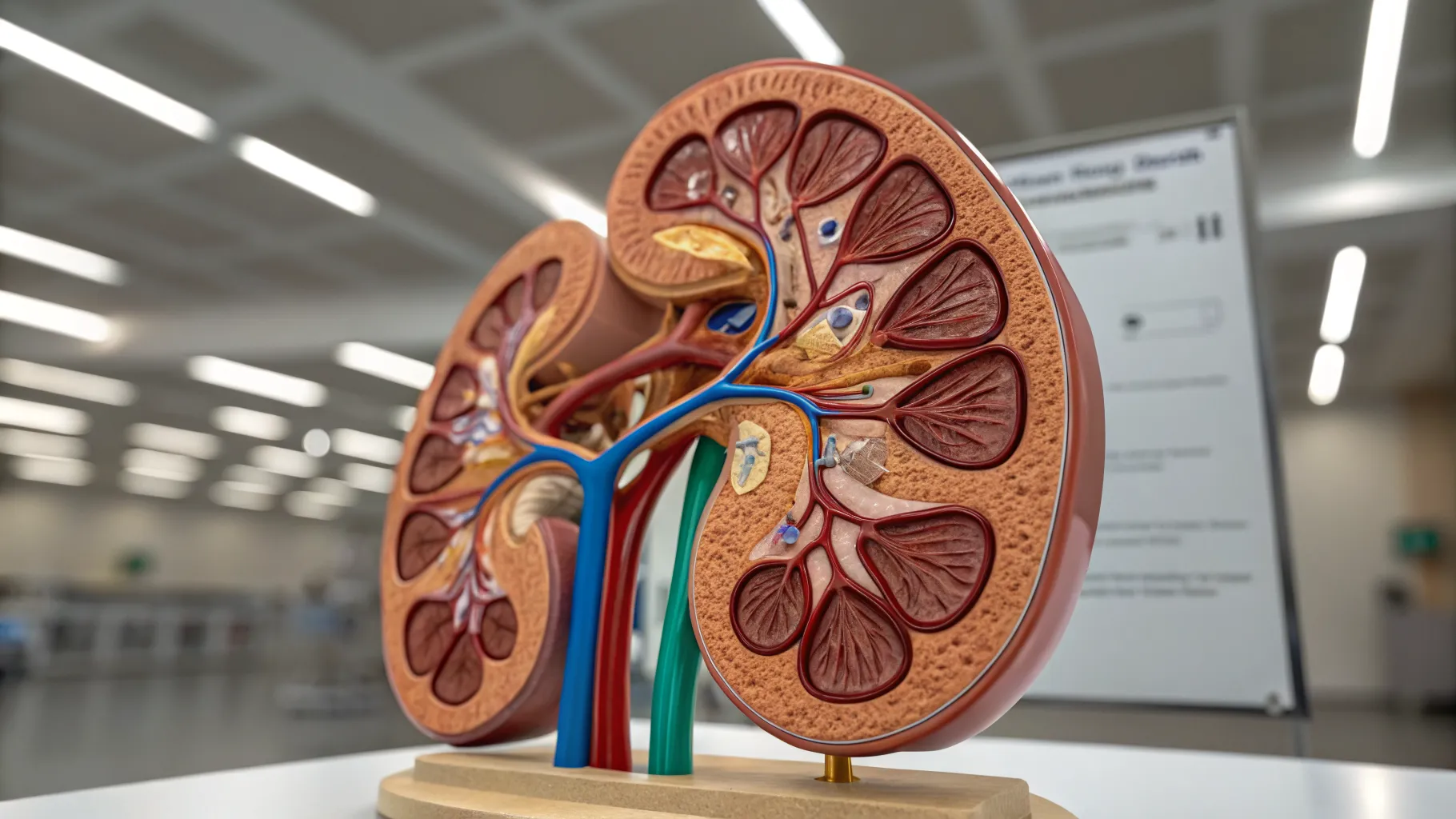
Understanding Chronic Kidney Disease and Its Impact
Chronic Kidney Disease, commonly referred to as CKD, is a significant health issue affecting millions of individuals globally. In 2025, it remains a central concern, with the World Health Organization estimating that around 850 million people are impacted by some form of renal disease. This condition leads to the gradual deterioration of kidney function, impairing the body's ability to filter waste and regulate fluids effectively, which can result in serious health complications.
Causes and Symptoms of Chronic Kidney Disease
Recognizing the causes and symptoms of CKD is essential for early detection and management. While many symptoms can be overlooked until the disease reaches advanced stages, understanding various risk factors can enhance awareness. The primary causes of CKD include:
- Diabetes: Identified as the leading cause of CKD, diabetes accounts for about 40% of cases. High blood sugar levels can severely damage the kidneys' blood vessels over time.
- Hypertension: Chronic high blood pressure can exert additional pressure on the kidneys, ultimately harming their filtering capabilities.
- Glomerulonephritis: This inflammation of the kidney's filtering units can originate from infections, autoimmune disorders, or genetic factors.
- Polycystic Kidney Disease: A genetic disorder, this condition leads to the formation of cysts in the kidneys, which affects their functionality.
- Kidney Stones and Obstructions: Conditions such as kidney stones can block the urinary tract and lead to kidney damage.
The signs and symptoms of CKD can range from mild to severe and may include fatigue, swelling in the ankles and feet due to fluid retention, persistent nausea, and changes in urine output and color. Those suffering from CKD might also experience alternative skin conditions such as itchiness and dry skin. Many individuals are often unaware of their kidney issues until they undergo routine health check-ups, making regular monitoring vital, particularly for those at higher risk.
The Importance of Kidney Function and Health
The kidneys play an indispensable role in maintaining overall health. Among various essential functions, they filter waste from the bloodstream, regulate blood pressure, and maintain electrolyte balance. Additionally, kidneys produce hormones critical for red blood cell creation and bone health. As kidney function declines, these vital roles can falter, leading to a cascade of health problems.
Recent studies highlight a notable correlation between CKD and cardiovascular diseases. Individuals with CKD face a substantially higher risk of heart-related conditions, with research indicating that nearly 50% of patients who are diagnosed with stage 4 CKD will develop cardiovascular issues. The intertwined relationship between kidney health and overall bodily health underscores the importance of preventive measures and management strategies.
Living with Chronic Kidney Conditions
Adapting to life with CKD often requires comprehensive changes to everyday lifestyle, particularly in diet and physical activity. A kidney-friendly diet plays an instrumental role in managing the disease. Such a diet typically incorporates the following:
- Maintaining low sodium intake to help manage blood pressure effectively.
- Balanced protein consumption: Consultation with a dietitian is crucial, as reducing protein can alleviate kidney damage while preventing nutritional deficiencies.
- Monitoring potassium and phosphorus levels is essential, as imbalances can lead to further complications, particularly heart issues.
In addition to dietary adjustments, engaging in regular physical activity is crucial for those with CKD. The current recommendations suggest at least 150 minutes of moderate exercise each week to support weight management and improve cardiovascular health. Activities such as walking, swimming, or cycling can be beneficial.
Moreover, adherence to prescribed medications is pivotal in managing CKD. Patients often require various medications aimed at managing symptoms, controlling blood pressure, and minimizing fluid retention. Regular follow-ups with healthcare providers can facilitate timely adjustments in treatment and ensure the best possible outcomes for patients.
Recent Advances and Case Studies
The landscape of CKD management is continuously evolving, thanks to advancements in technology and medicine. Over the past six months, new trials have introduced innovative medications specifically targeting kidney function protection in diabetic patients. Emerging data from these studies show promising results that indicate slowing CKD progression is possible in certain cases.
A compelling case study released recently documents a diabetic patient who remarkably maintained stable kidney function for over 20 years. By adhering to a tailored lifestyle comprising diligent dietary management, regular physical activity, and consistent monitoring, this individual has managed to avoid the need for dialysis. This case emphasizes the power of a personalized care approach in managing chronic kidney conditions.
Such success stories help to inspire hope among individuals facing similar challenges. As healthcare providers and patients work collaboratively, they can develop unique strategies that explore all facets of the individual’s circumstances, facilitating sustained health and well-being.
Raising awareness regarding chronic kidney disease is essential. By spreading knowledge about the risk factors and preventative measures, we empower at-risk individuals to seek guidance and take proactive steps towards healthier living. Advocacy for CKD awareness can significantly contribute to enhancing the quality of life for millions globally. With ongoing education and support, those living with CKD can navigate their journey with confidence.