Understanding Causes and Treatments for Dark Spots
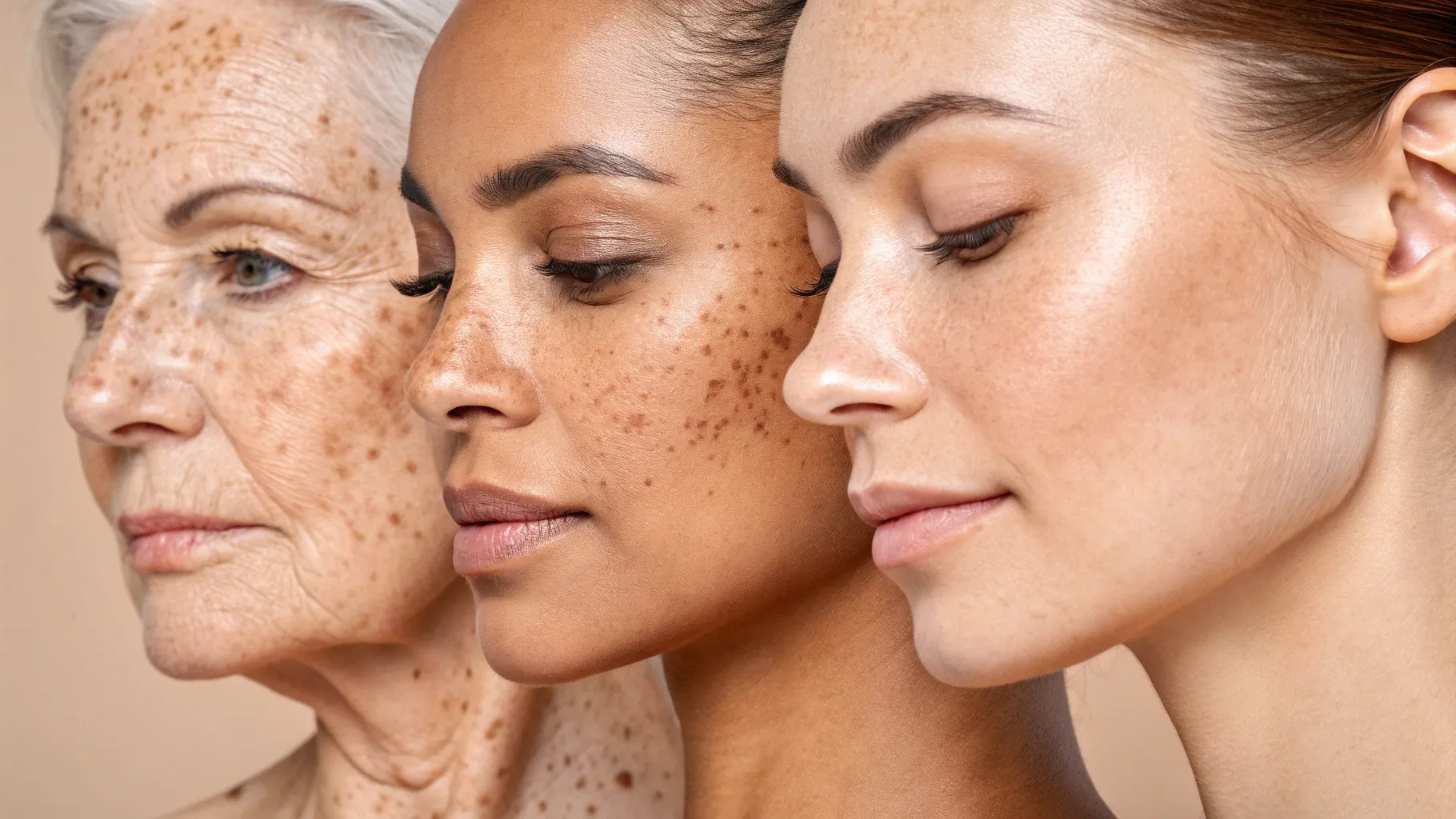
Understanding Causes and Effective Treatments for Dark Spots
Dark spots, often referred to as hyperpigmentation, represent a prevalent concern for many individuals across various demographics in 2025. This skin condition not only affects aesthetics but also impacts self-esteem and confidence. To address this issue comprehensively, it’s vital to delve into its root causes and explore a range of effective treatments that are readily available.
What Causes Dark Spots?
The formation of dark spots is primarily attributed to an overproduction of melanin, the pigment responsible for skin coloration. Several factors can contribute to this heightened melanin production:
- Excessive Sun Exposure: Research indicates that over 90 percent of dark spots arise due to UV radiation from sunlight. The skin, in response to UV exposure, increases melanin production in a defense mechanism against sun damage.
- Aging: As we age, the skin’s natural ability to regenerate diminishes, leading to a more uneven complexion. Statistics show that 60% of individuals over 40 report experiencing dark spots due to natural aging.
- Hormonal Fluctuations: Conditions such as pregnancy, often referred to as the "mask of pregnancy," and the use of oral contraceptives can trigger melasma, a common cause of dark spots in women.
- Skin Injuries: Any trauma to the skin, from acne to cuts and burns, can result in post-inflammatory hyperpigmentation. Nearly 50% of people with a history of acne experience dark marks after their blemishes have healed.
- Medical Conditions and Medications: Certain medications, as well as health issues like Addison's disease, have been linked with increased pigmentation, making it vital to consider medical history when addressing dark spots.
With over 50% of adults dealing with dark spots by the age of 30, primarily due to UV exposure and lifestyle choices, understanding the root causes is essential for prevention and management.
Proven Treatments for Dark Spots
Fortunately, effective treatments exist for those looking to reduce the appearance of dark spots. These can be categorized into topical solutions and professional procedures.
- Topical Solutions: These products are applied directly to the affected area, including:
- Hydroquinone: Known as the gold standard, this topical agent helps lighten hyperpigmentation by inhibiting melanin production. Studies show that hydroquinone can lighten dark spots by up to 75% with consistent use.
- Retinoids: Derived from vitamin A, retinoids accelerate skin cell turnover and help fade dark spots while promoting an even skin texture. Users have noted significant improvement within just six weeks of use.
- Vitamin C: This potent antioxidant brightens the skin and provides protection against future damage. A clinical trial from 2025 shows that participants using Vitamin C saw a 40% reduction in dark spot visibility in three months.
- Azelaic Acid: Especially beneficial for those with acne-prone skin, azelaic acid helps minimize both dark spots and active breakouts effectively.
- Professional Treatments: When topical applications fall short, a range of clinical options is available:
- Chemical Peels: Utilizing acids to remove the outer layer of the skin, chemical peels reveal fresher, brighter skin beneath. Recent developments in chemical peel techniques have yielded remarkable results.
- Laser Therapy: Advanced laser technologies specifically target pigmented areas while preserving surrounding skin. 75% of patients report significant improvement after just a few sessions, making this one of the most popular treatments today.
- Microdermabrasion: This technique gently exfoliates the outer layer of the skin, which helps to gradually fade dark spots over time. Patients often complete a series of treatments for best results.
As of early 2025, the success rates of various treatments, especially laser therapy and topical agents, continue to encourage people to seek help for their skin concerns.
Steps for Preventing Dark Spots
Preventing dark spots is equally critical as treating existing ones. Here are essential steps you can take to protect your skin:
- Daily Sunscreen Use: Incorporating a broad-spectrum sunscreen with at least SPF 30 as part of your daily routine is non-negotiable for anyone looking to shield their skin from harmful UV rays.
- Protective Clothing: Wearing hats or long-sleeved shirts can significantly help in reducing sun damage during peak sunlight hours, especially when UV radiation is at its highest.
- Regular Dermatologist Check-ups: Monitoring your skin for changes is essential. An annual visit to a dermatologist can catch potential issues early, providing treatment options before they escalate.
Moreover, the mental aspect of dealing with dark spots shouldn’t be overlooked. In surveys conducted in 2025, nearly 70% of participants reported feeling decreased self-esteem due to the presence of dark spots. This highlights the crucial need for effective treatments that empower individuals to feel good in their skin.
By integrating preventative measures along with the latest treatment advancements, faded dark spots and restored confidence in appearance are achievable goals. With consistent skincare practices and a proactive approach, individuals can significantly improve their skin's overall health and appearance. In 2025, innovations in dermatological treatments mean that brighter, more even-toned skin is attainable for anyone willing to invest in their skin's care.