Understanding Causes of Nerve Pain in Hands and Feet: A Complete Guide
Facts:
- Peripheral neuropathy affects an estimated 20 million people in the United States alone.
- Early diagnosis is crucial for managing nerve pain symptoms effectively.
Decoding the Signals: What Causes Neuropathy in Your Extremities?
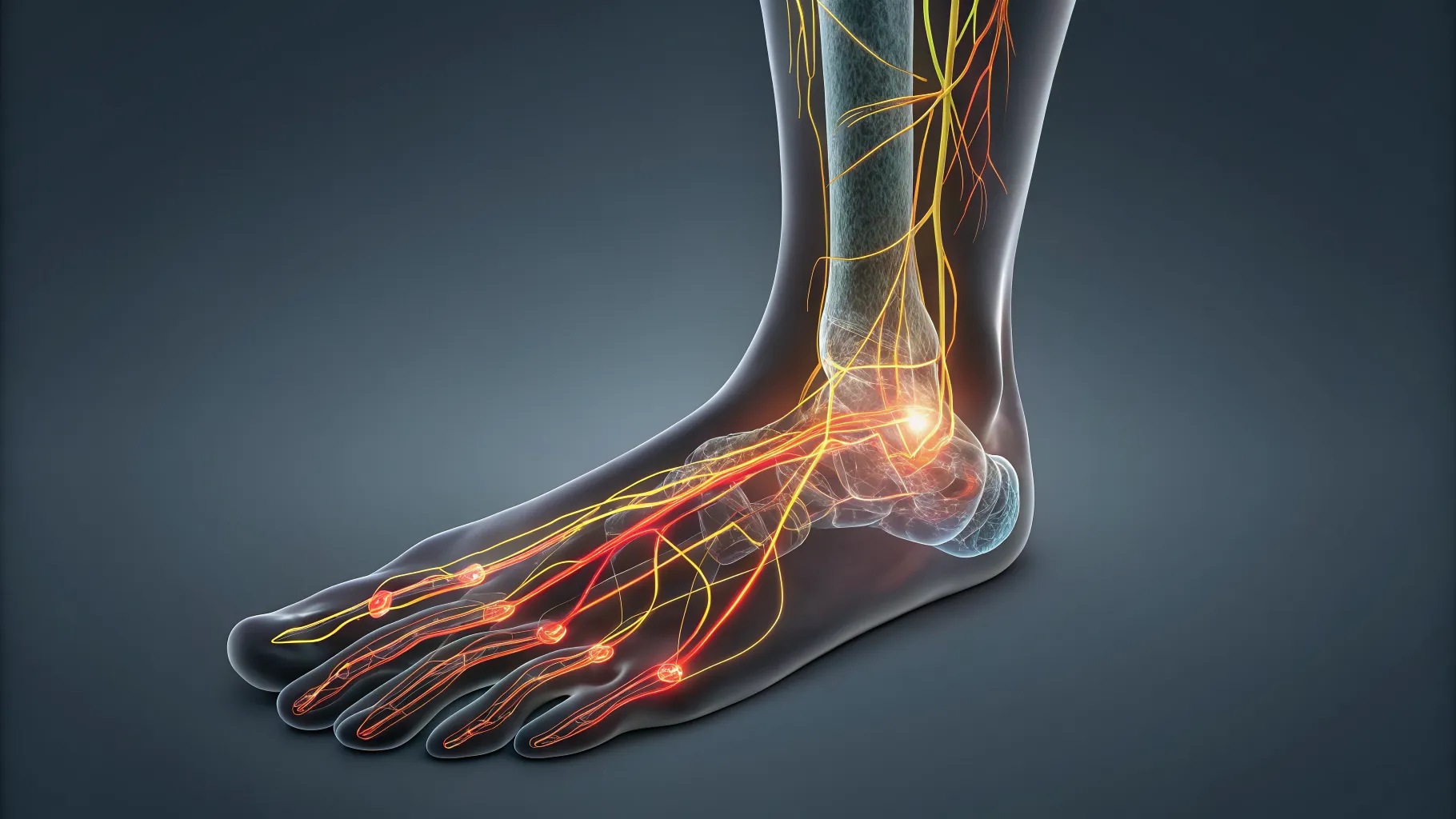
Experiencing persistent tingling in hands and feet can be a deeply unsettling sensation, often described as pins and needles that won't go away. This is a hallmark sign of peripheral neuropathy, a condition resulting from damage to the nerves outside of the brain and spinal cord. A thorough approach to understanding neuropathy is the first essential step toward managing the condition and improving quality of life. This comprehensive guide will delve into the various causes of nerve pain in hands and feet, exploring the complex mechanisms behind your symptoms and providing clarity on this common yet often misunderstood issue.
Systemic Diseases: The Primary Drivers of Nerve Damage
Many cases of peripheral neuropathy are symptoms of a larger, underlying systemic disease. When the body's overall systems are compromised, the delicate peripheral nerves are often among the first tissues to suffer. Identifying and managing these conditions is paramount to controlling nerve pain symptoms. One of the most significant causes of nerve pain in hands and feet is Diabetes Mellitus. Chronically high blood sugar levels are toxic to nerves, leading to a condition known as diabetic neuropathy. It typically begins in the feet and gradually progresses upward, causing numbness, pain, and significant hand and foot discomfort. Another major contributor is chronic kidney disease, where the buildup of toxic substances in the blood can severely damage nerve tissue. Furthermore, autoimmune diseases such as rheumatoid arthritis, lupus, and Guillain-Barré syndrome can trigger the immune system to mistakenly attack the body's own nerve cells, leading to inflammation and damage that manifest as severe pain and tingling.
Nutritional Deficiencies and Their Impact on Nerve Health
Your nerves require a steady supply of specific vitamins and minerals to function correctly. Deficiencies can lead to significant nerve damage and are a frequently overlooked cause of tingling in hands and feet. Vitamin B12 is crucial for maintaining the myelin sheath, the protective covering around nerves. A lack of B12 can lead to its degradation, exposing the nerves and causing classic neuropathy symptoms. Similarly, vitamins B1, B6, and E play vital roles in nerve health and transmission. An imbalance, particularly an excess of B6, can also be toxic to nerves. Beyond vitamins, minerals like copper are essential for nerve function, and a deficiency can lead to symptoms similar to those caused by B12 deficiency. For anyone experiencing unexplained hand and foot discomfort, a thorough nutritional assessment can be a key part of understanding neuropathy and its origins.
Physical Trauma and Repetitive Stress Injuries
Direct physical damage is one of the more straightforward causes of nerve pain in hands and feet. Nerves can be compressed, crushed, or severed during accidents, falls, or surgical procedures, leading to immediate and often severe pain. However, damage can also occur gradually over time due to repetitive stress. Carpal tunnel syndrome is a classic example, where the median nerve in the wrist is compressed, causing pain, numbness, and tingling in hands and feet, particularly the thumb and first few fingers. Similar compression can happen in the feet and ankles, such as in tarsal tunnel syndrome. Occupations or hobbies that involve repetitive motions put individuals at a higher risk for this type of nerve entrapment, which can progressively worsen if not addressed with ergonomic changes and proper treatment.
Infections and Toxins as Nerve Agitators
Certain viral and bacterial infections can directly attack nerve tissues. For example, the varicella-zoster virus, which causes chickenpox and shingles, can lead to postherpetic neuralgia, a condition characterized by intense, lingering nerve pain. Other infections like Lyme disease, HIV/AIDS, and hepatitis C are also known to cause peripheral neuropathy. Exposure to toxins is another significant factor. Heavy metals such as lead, mercury, and arsenic are potent neurotoxins that can accumulate in the body and destroy nerve cells. Additionally, certain medications, particularly chemotherapy drugs used in cancer treatment, are known to cause neuropathy as a side effect. This chemical-induced damage can present a wide array of nerve pain symptoms, making a detailed medical and environmental history crucial for diagnosis.
Idiopathic Neuropathy: When the Cause Remains a Mystery
In a significant number of cases, even after extensive testing, a specific cause for the nerve pain cannot be identified. This is referred to as idiopathic peripheral neuropathy. While frustrating for both patient and doctor, it does not mean that the symptoms are not real or that they cannot be treated. The focus for individuals with idiopathic neuropathy shifts from treating an underlying cause to directly managing the nerve pain symptoms. This often involves a combination of pain-relieving medications, physical therapy, and lifestyle adjustments to alleviate hand and foot discomfort. Research is ongoing to better understand the mechanisms behind these unexplained cases, with genetics and subtle metabolic issues being potential areas of interest for understanding neuropathy more deeply.
Practical Strategies for Managing Nerve Pain
While identifying the root cause is ideal, there are many actionable steps you can take to manage the symptoms and improve your daily life. The goal is to reduce pain, prevent further damage, and maintain mobility.
- Consult with a Specialist: A neurologist can perform specific tests like nerve conduction studies to accurately diagnose the extent of nerve damage and recommend targeted treatments.
- Control Underlying Conditions: For those with diabetes, maintaining strict control of blood sugar levels is the single most important step to prevent the progression of neuropathy.
- Adopt a Nerve-Healthy Diet: Focus on a diet rich in B vitamins, antioxidants, and anti-inflammatory foods. This includes leafy greens, lean proteins, nuts, and whole grains.
- Incorporate Gentle Exercise: Activities like walking, swimming, and yoga can improve blood flow to the extremities, reduce pain, and enhance muscle strength, which helps with balance and coordination.
- Practice Meticulous Foot and Hand Care: Since neuropathy can cause a loss of sensation, it's vital to check your hands and feet daily for any cuts, blisters, or sores to prevent infections.
Frequently Asked Questions
What are the most common nerve pain symptoms?
The most common nerve pain symptoms include a gradual onset of numbness, prickling, or tingling in hands and feet, which can spread upward into your arms and legs. Other symptoms are sharp, jabbing, throbbing, or burning pain, extreme sensitivity to touch, and a lack of coordination or falling due to muscle weakness and loss of sensation.
Can tingling in hands and feet be a sign of something serious?
Yes, while occasional tingling can be harmless, persistent tingling in hands and feet should always be evaluated by a healthcare professional. It can be an early warning sign of serious underlying conditions such as diabetes, kidney failure, autoimmune diseases, or significant vitamin deficiencies. Early diagnosis of the causes of nerve pain in hands and feet is key to effective treatment.
How is the cause of nerve pain in hands and feet diagnosed?
Diagnosing the cause involves a multi-step process. It typically starts with a thorough medical history and physical exam. Your doctor may then order blood tests to check for vitamin deficiencies, diabetes, or other systemic diseases. Neurological exams, including nerve conduction studies (NCS) and electromyography (EMG), are often used to assess the electrical activity of your nerves and muscles to pinpoint the location and extent of the damage.
References
- National Institute of Neurological Disorders and Stroke.
- The Foundation for Peripheral Neuropathy.
- American Diabetes Association.
- Mayo Clinic Staff Articles on Neuropathy.