Understanding Causes of Dizziness and Balance Issues: A Comprehensive Guide
Facts:
- Over 40% of adults experience dizziness severe enough to see a doctor.
- A growing trend for managing balance issues involves vestibular rehabilitation therapy.
Pinpointing the Source: A Deep Dive into Dizziness and Balance Disorders
Experiencing a sudden bout of dizziness or a persistent feeling of being off-balance can be a deeply unsettling experience. Many people find themselves asking, 'why am i dizzy?' without a clear answer. The sensation can range from feeling lightheaded or faint to severe vertigo where it feels like the room is spinning. Understanding the underlying causes of dizziness is the first critical step toward finding an effective solution and regaining your stability. These issues often stem from a complex interplay of systems, including the inner ear, brain, and cardiovascular system, making a proper diagnosis essential for managing the condition and improving quality of life. The journey to understanding your dizziness and balance problems starts with knowledge.
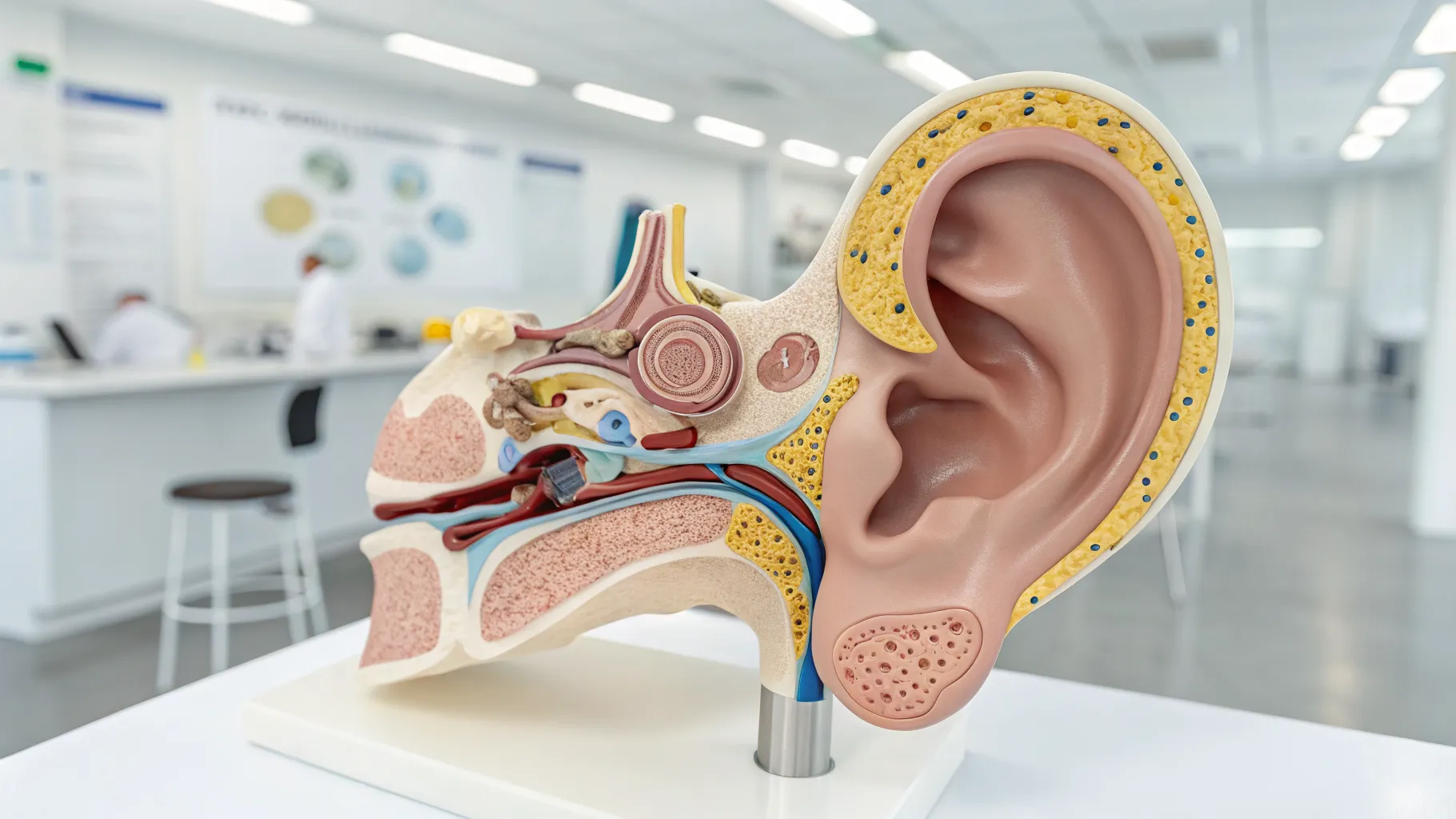
Common Inner Ear-Related Causes of Dizziness
The vestibular system, located in your inner ear, is your body's gyroscope. It is fundamental to your sense of balance. When this system is disrupted, it is one of the most frequent balance issues causes. Several specific conditions can affect the inner ear and lead to significant symptoms. Understanding these specific disorders is key to identifying the root of your problem.
Benign Paroxysmal Positional Vertigo (BPPV)
BPPV is one of the most common causes of dizziness, particularly in older adults. It occurs when tiny calcium carbonate crystals, called otoconia, become dislodged from their usual position in the utricle and migrate into one of the semicircular canals of the inner ear. This displacement sends false signals to the brain about head and body movements, triggering brief but intense episodes of vertigo. These episodes are typically provoked by specific changes in head position, such as tipping your head up or down, lying down, or turning over in bed. While alarming, BPPV is not a sign of a serious illness and can often be treated effectively with simple physical maneuvers performed by a trained professional.
Meniere's Disease
Meniere's disease is a chronic inner ear disorder that affects both hearing and balance. The exact cause is unknown, but it's believed to be related to an abnormal amount of fluid, called endolymph, in the inner ear. The classic balance problems symptoms associated with Meniere's disease include sudden, severe vertigo attacks, fluctuating hearing loss, tinnitus (ringing in the ear), and a feeling of fullness or pressure in the affected ear. These attacks can be debilitating and unpredictable, significantly impacting a person's daily activities.
Vestibular Neuritis and Labyrinthitis
These conditions are typically caused by a viral infection that leads to inflammation of the inner ear. Vestibular neuritis involves inflammation of the vestibular nerve, which connects the inner ear to the brain, leading to severe vertigo but usually without hearing loss. Labyrinthitis is similar but also involves inflammation of the cochlea, resulting in both vertigo and changes in hearing or tinnitus. The onset of symptoms is often sudden and can last for several days, followed by a gradual recovery period where individuals might still experience issues with dizziness and balance.
Neurological and Circulatory Factors Behind Dizziness
While the inner ear is a primary suspect, various neurological and circulatory conditions can also be significant balance issues causes. The brain relies on a steady supply of oxygen-rich blood and clear nerve signals to maintain equilibrium. Any disruption can lead you to wonder, 'why am i dizzy?' For instance, vestibular migraines are a common neurological cause, where dizziness or vertigo is a primary symptom, sometimes even occurring without a headache. Another serious cause is a transient ischemic attack (TIA) or stroke, where reduced blood flow to the brain can cause sudden dizziness, loss of balance, and other neurological symptoms. Furthermore, cardiovascular issues like orthostatic hypotension (a sharp drop in blood pressure upon standing), heart arrhythmias, or poor circulation can reduce blood flow to the brain, causing lightheadedness and a feeling of faintness.
Other Contributing Triggers and Conditions
Beyond specific inner ear or neurological disorders, a wide array of other factors can contribute to dizziness and balance issues. Certain medications, including some antidepressants, sedatives, and blood pressure drugs, list dizziness as a common side effect. Psychological factors, such as anxiety and panic disorders, can induce feelings of lightheadedness or unsteadiness. Dehydration and overheating are also frequent culprits, as they can affect blood volume and pressure. Other medical conditions like anemia (low iron), hypoglycemia (low blood sugar), and even carbon monoxide poisoning are potential causes of dizziness that should be considered during a medical evaluation. Identifying these miscellaneous triggers is crucial for effective management.
Identifying Common Balance Problems Symptoms
Recognizing the specific sensations you are experiencing is crucial for diagnosis. The term 'dizziness' is broad, but the specific balance problems symptoms can provide important clues. These symptoms can manifest in various ways, affecting your ability to walk, stand, or simply move with confidence. A clear description of your symptoms will help your doctor narrow down the potential balance issues causes.
- Vertigo: A distinct sensation that you or your surroundings are spinning or moving. This is often a sign of an inner ear problem.
- Lightheadedness or Feeling Faint: This feels like you might pass out, without the spinning sensation. It's frequently linked to a drop in blood pressure or dehydration.
- Unsteadiness or Loss of Balance: A feeling of being unstable on your feet, which can lead to difficulty walking in a straight line or even falls.
- Floating or Swimming Sensation: A disorienting feeling of being disconnected from the ground, as if you are floating.
- Blurred Vision: Difficulty focusing your eyes, especially during head movements, which can accompany many vestibular disorders.
Actionable Steps When Experiencing Dizziness and Balance Issues
If you are frequently experiencing dizziness and balance problems, it is important to take proactive steps to seek a diagnosis and manage your symptoms. Ignoring these issues can lead to falls and injuries and may mask a more serious underlying condition. Consulting a healthcare professional is the most important first step to determine the specific causes of dizziness in your case.
- Consult a Doctor: Schedule an appointment with your primary care physician, who may refer you to a specialist like an otolaryngologist (ENT) or a neurologist for further evaluation. Be prepared to describe your symptoms in detail.
- Undergo Diagnostic Testing: Your doctor may recommend specific tests, such as hearing and balance tests (audiometry, VNG), imaging studies (MRI), or blood tests to rule out various conditions and pinpoint the cause.
- Consider Vestibular Rehabilitation Therapy (VRT): This specialized form of physical therapy uses specific exercises to help your brain compensate for inner ear deficits, improving your balance and reducing feelings of dizziness.
- Make Lifestyle Adjustments: Simple changes can make a big difference. Stay well-hydrated, avoid sudden changes in position, manage your stress levels, and review your medications with your doctor to see if they could be contributing factors.
Frequently Asked Questions
What are the most common causes of dizziness?
The most common causes of dizziness include inner ear problems like Benign Paroxysmal Positional Vertigo (BPPV) and Meniere's disease, as well as vestibular migraines. Other frequent culprits are dehydration, medication side effects, and sudden drops in blood pressure (orthostatic hypotension).
Can anxiety be one of the balance issues causes?
Yes, absolutely. Anxiety and panic disorders can be significant balance issues causes. During an anxiety attack, hyperventilation can lead to lightheadedness and a feeling of unsteadiness. Chronic anxiety can also make individuals more sensitive to normal bodily sensations, amplifying feelings of dizziness and balance disruption.
Why am I dizzy only when I stand up?
If you constantly ask 'why am i dizzy' specifically when you stand, you may be experiencing orthostatic hypotension. This is a form of low blood pressure that happens when you stand up from sitting or lying down. Blood pools temporarily in your legs, and it takes a moment for your body to adjust and pump enough blood to your brain, causing temporary lightheadedness or dizziness.
References
- National Institute on Deafness and Other Communication Disorders (NIDCD)
- Vestibular Disorders Association (VeDA)
- American Academy of Otolaryngology—Head and Neck Surgery
- Journal of Neurology, Neurosurgery & Psychiatry