Understanding CAH in Women Symptoms Causes and Treatment
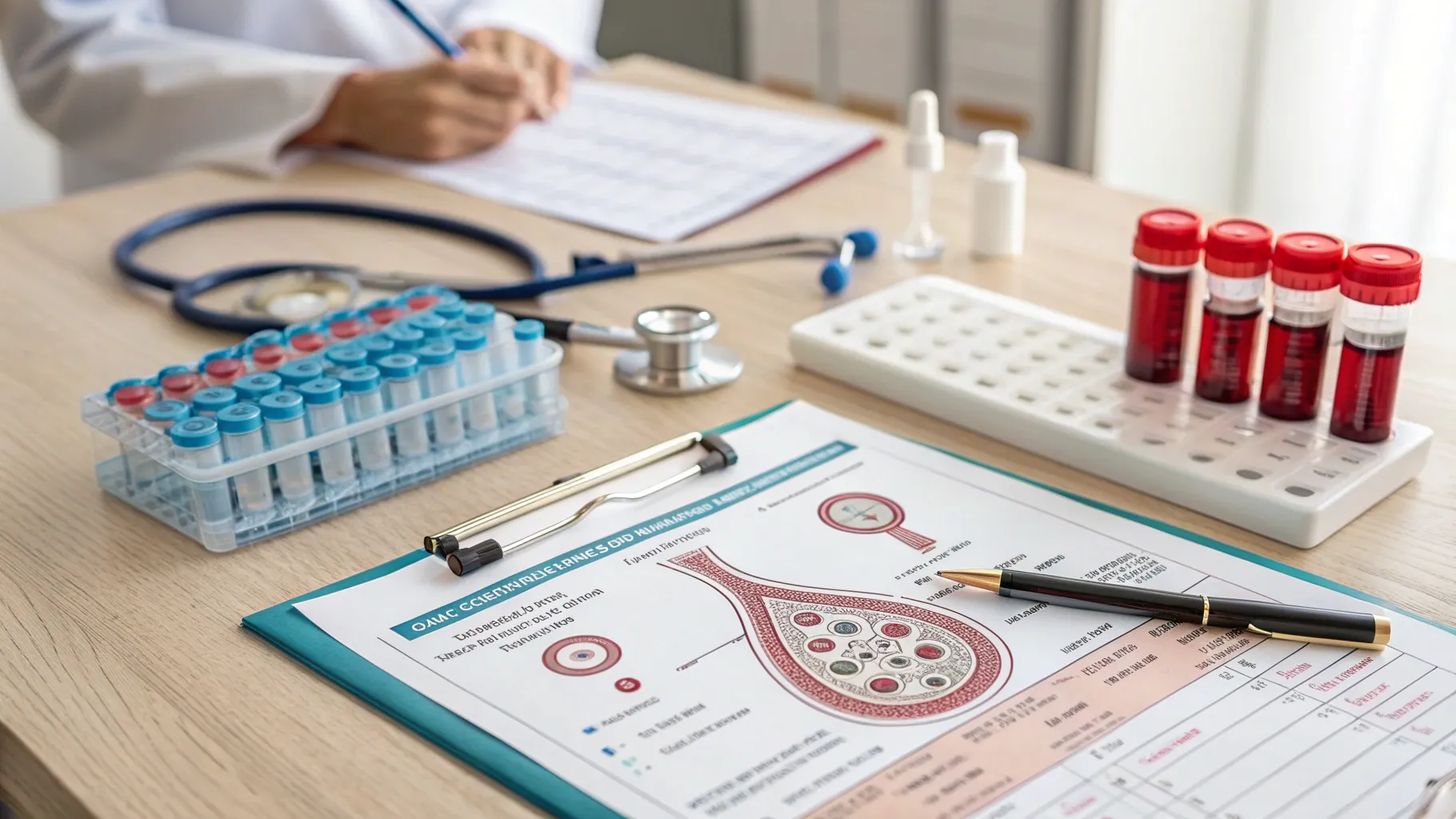
Understanding CAH in Women
Congenital Adrenal Hyperplasia (CAH) is an important genetic condition that primarily impacts the adrenal glands, which are vital organs responsible for hormone regulation. For women and girls facing this condition, it presents unique challenges and symptoms that need careful understanding. In this article, we will delve into the causes, symptoms, and current diagnostic practices surrounding CAH, emphasizing the importance of early detection and tailored management strategies.
What Causes Congenital Adrenal Hyperplasia in Females?
At its core, Congenital Adrenal Hyperplasia arises from a deficiency in one of the enzymes crucial for the production of adrenal hormones, especially cortisol and aldosterone. The most common form of CAH results from a deficiency of the 21-hydroxylase enzyme. This enzyme deficiency leads to an abnormal buildup of androgens, often resulting in oversaturation of male hormones in females from infancy.
CAH is inherited in an autosomal recessive pattern, meaning both parents need to pass down the defective gene for a child to develop the disorder. Recent statistics indicate that about 1 in 15,000 births worldwide is affected by CAH, although prevalence can vary significantly across different ethnic groups. Some studies have even shown that certain populations, like those of Ashkenazi Jewish descent, demonstrate rates as high as 1 in 5,000 births.
Symptoms of CAH in Women and Girls
The clinical presentation of CAH can vary widely depending on the severity of the enzyme deficiency and the age at which it is identified. Symptoms may be recognized at birth or emerge later in childhood. Among the notable symptoms affecting women and girls include:
- Ambiguous genitalia: In newborns, female babies may present with genitalia that resemble male genitalia due to elevated androgen levels during gestation.
- Persistent acne: Many females experience significant acne issues that do not respond well to typical treatments, attributed to elevated testosterone levels.
- Irregular menstruation: Irregularities in menstrual cycles are commonplace among those with CAH, which may lead to difficulties with fertility later in life.
- Hirsutism: The condition often results in excess hair growth on the body and face, a condition known as hirsutism, due to high androgen levels.
- Early puberty: Girls with CAH may undergo precocious puberty, which can lead to growth spurts occurring sooner than expected, ultimately affecting final adult height.
- Fatigue and muscle weakness: In severe cases, individuals may suffer adrenal crisis, experiencing debilitating fatigue and muscle weakness due to inadequate cortisol production.
In addition to these physical symptoms, a growing body of research underscoring the psychological impact of CAH reveals that many women affected experience mental health challenges. Anxiety and depression are documented in numerous cases, arising from pressures related to body image and societal expectations regarding femininity.
Recent Insights into Diagnosis and Management
In 2025, diagnostic protocols for congenital adrenal hyperplasia have notably evolved. Many countries now include CAH screening in newborn screening programs, allowing for early detection during the first days of life. A simple blood test measuring hormone levels, specifically 17-hydroxyprogesterone, can confirm the diagnosis. Furthermore, genetic testing is increasingly emphasized to identify carrier status for future family planning.
Management typically involves hormone replacement therapy, which is essential for restoring normal hormone levels. Patients with CAH often require glucocorticoids to correct cortisol deficiencies and may also need mineralocorticoids to handle sodium retention and potassium balancing issues. With appropriate treatment, many women lead vibrant lives, yet continuous medical follow-up is crucial for managing their condition effectively.
Exciting developments in personalized medicine are shaping the future of CAH management. Customized treatment strategies tailored to the individual needs of patients are proving to improve outcomes significantly. Recent studies indicate improved quality of life measures amongst women using such personalized management plans, which address both physiological and psychological needs. Health practitioners are increasingly utilizing advanced genomic technologies to ensure a tailored approach to treatment.
Living with CAH: Real-World Experiences
Women affected by CAH often share their narratives through various support networks and advocacy groups, helping to foster understanding and connection among those facing similar challenges. One notable voice is Jenna, a 28-year-old professional who has navigated life with CAH since birth. Jenna’s story highlights the complexities that many endure:
"Growing up, I faced numerous questions about my appearance and health that were difficult to manage. However, finding support within a community of others living with CAH transformed my journey. Now, as an advocate, I aim to raise awareness about CAH, particularly regarding mental health aspects, to help others feel understood and valued."
This sentiment is echoed in countless stories from women actively working to raise awareness and promote resources focused on CAH. These advocates are pushing for more inclusive healthcare practices that take into account the unique experiences faced by female patients.
Ultimately, understanding Congenital Adrenal Hyperplasia in women reveals a condition that not only challenges individual lives but also confronts societal norms. As awareness spreads and treatment options improve, stories from women dealing with CAH illuminate paths toward resilience and empowerment. As they come together to share their experiences, they create a supportive community that emphasizes both self-advocacy and educated healthcare practices.
In a world that continues to evolve, the stories of those affected by CAH highlight the imperative need for awareness, compassion, and the accessibility of effective care. The journey of these women is filled with challenges—but also with victories, education, and a community that strives for understanding and improvement in their everyday lives.