Understanding CAH in Women Symptoms and Causes
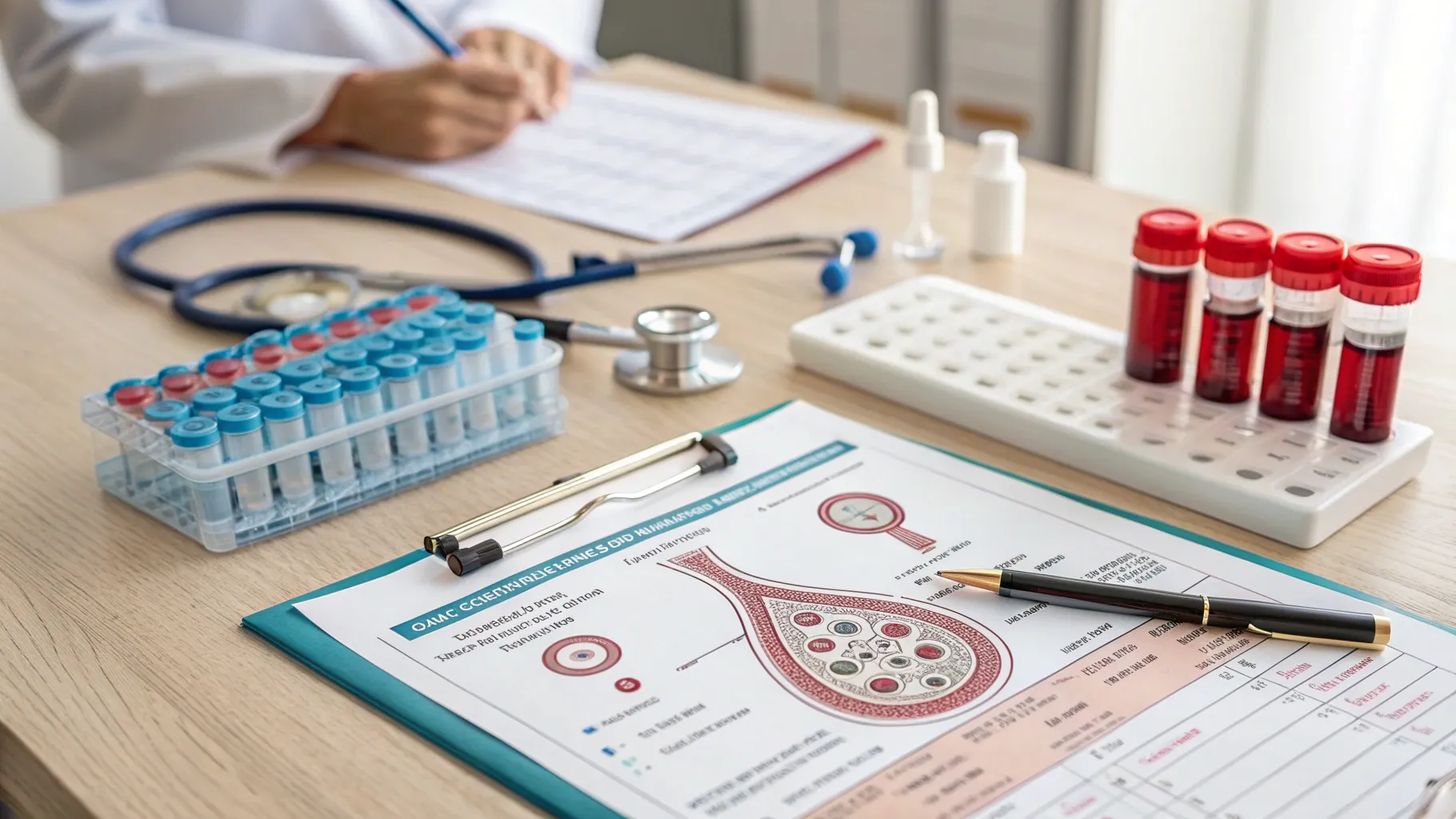
Understanding Congenital Adrenal Hyperplasia in Women
Congenital adrenal hyperplasia, known as CAH, is a complex hereditary disorder that significantly impacts the function of the adrenal glands. These vital glands, perched above the kidneys, produce essential hormones such as cortisol and aldosterone that help regulate metabolism, immune response, and fluid balance. For women and girls, CAH introduces unique challenges that affect not only their physical health but also their emotional well-being and social interactions. Luckily, advancements in medical science and diagnostics are making it easier to identify and manage this condition effectively. As a result, many women with CAH are experiencing enhanced quality of life.
The Root Causes of Congenital Adrenal Hyperplasia
The primary cause of CAH stems from a deficiency of the enzyme 21-hydroxylase. This enzyme plays a crucial role in producing cortisol and aldosterone hormones. When there's a genetic mutation affecting this enzyme, typically inherited in an autosomal recessive manner, cortisol production drops, and the body compensates by increasing androgen levels—male hormones that can lead to significant hormonal imbalance.
In women and girls, the effect of excess androgen can lead to masculinization, significantly disrupting normal sexual development. In severe cases, newborns with CAH may present with ambiguous genitalia, prompting complex discussions surrounding gender assignment and future reproductive health. Such cases underscore the urgency for compassionate and informed medical care to navigate the sensitive ramifications of the condition.
Recognizing Symptoms of CAH in Women and Girls
The symptoms of CAH can differ greatly depending on the severity of the enzyme deficiency and can emerge at various stages of life. Early detection is critical, as it can substantially improve the individual’s overall management of the condition. Common symptoms of CAH in girls and women include:
- Ambiguous genitalia: This can be noted in newborns where the external genitalia do not align with typical male or female anatomy.
- Precocious puberty: Young girls may exhibit early development of breasts and pubic hair, which can impact their social experience during childhood.
- Irregular menstrual cycles: Many women with CAH report irregular menstruation as they approach adulthood, contributing to fertility issues.
- Infertility: Hormonal imbalances associated with CAH can make conception difficult for many women. It is critical to address these concerns with a care team experienced in reproductive health.
- Hirsutism: Excessive hair growth in areas typically considered male-pattern can lead to emotional challenges concerning body image and self-esteem.
A study published earlier this year revealed that approximately 60% of women with classic CAH reported experiencing significant psychological stress due to their symptoms. This stress often arises from societal pressures regarding femininity and appearance, influencing their academic and social lives.
How is Congenital Adrenal Hyperplasia Diagnosed?
Diagnosing CAH requires a multifaceted approach, that includes physical exams, hormone testing, and genetic evaluations. For newborns, the standard screening involves assessing levels of 17-hydroxyprogesterone (17-OHP), which tend to be elevated in cases of classic CAH.
As girls age or for adult women suspecting CAH, healthcare providers often utilize several diagnostic tools such as:
- Blood tests: Hormonal assays can determine levels of various hormones to highlight imbalances characteristic of CAH.
- Imaging studies: Ultrasound or MRI can visualize the adrenal glands and any associated reproductive organs to better understand the condition's impact.
- Genetic testing: This is pivotal for confirming CAH by identifying mutations linked to the 21-hydroxylase deficiency.
Treatment options for women diagnosed with CAH typically involve hormone replacement therapy. This therapy aims to normalize hormone levels, alleviating many symptoms and facilitating a more typical life experience. Moreover, addressing the psychological aspects of CAH is increasingly recognized as vital.
In recent months, healthcare systems have emphasized the importance of providing psychological support to individuals with CAH. Support groups and specialized resources are being developed to help women manage the unique challenges they face, particularly concerning their emotional health. As the understanding of CAH grows, so does the dedication to confronting the condition's psychosocial implications.
Medical professionals and patients alike are encouraged to stay informed about the latest research developments and treatment options available for CAH. With emerging genetic therapies and advances in personalized medicine, there is a sense of optimism in the healthcare community about the future for women living with congenital adrenal hyperplasia. By prioritizing an integrative treatment plan that encompasses both physiological and emotional well-being, the narrative surrounding CAH is steadily shifting toward one of empowerment and improved life quality.