Understanding Blood Sugar Levels After 70: A Senior's Guide
Facts:
- Aging can naturally increase blood sugar levels.
- Monitoring is crucial for senior blood sugar health.
Why Blood Sugar Management Changes Drastically After 70
As we advance in age, our bodies undergo numerous changes, and metabolic health is no exception. A critical aspect of this is understanding blood sugar levels after 70, as the risk of developing conditions like type 2 diabetes increases significantly. The physiological shifts that come with aging can alter how our bodies process glucose, making diligent monitoring and management more important than ever. For many, maintaining stable blood sugar levels in seniors is a cornerstone of longevity and quality of life, directly influencing energy levels, cognitive function, and overall well-being. This guide provides essential information on what's considered normal, risk factors, and proactive steps for optimal senior blood sugar health.
What Are Normal Blood Sugar Levels in Seniors?
Defining 'normal' blood sugar after 70 can be complex, as target ranges are often personalized by healthcare providers based on an individual's overall health, life expectancy, and presence of other medical conditions. Generally, for older adults, fasting blood glucose levels are ideally between 80-130 mg/dL, and levels 1-2 hours after meals should be below 180 mg/dL. The hemoglobin A1c, which provides an average blood sugar level over three months, is often targeted to be below 7.5% or 8.0% for this age group, a slightly higher target than for younger adults to reduce the risk of hypoglycemia (low blood sugar). It is vital for seniors to work closely with their doctors to establish goals that promote healthy aging and blood sugar control without being overly restrictive.
Key Factors Influencing Blood Sugar After 70
Several age-related factors contribute to the challenges of managing blood sugar levels in seniors. A natural decline in muscle mass, a condition known as sarcopenia, means the body has less tissue to absorb glucose from the bloodstream. Hormonal changes can also lead to increased insulin resistance, where cells don't respond as effectively to insulin. Furthermore, many seniors manage multiple health conditions and take various medications (polypharmacy), some of which can affect blood glucose. Reduced physical activity and changes in dietary habits also play a significant role. A comprehensive approach to understanding blood sugar levels after 70 requires considering all these interconnected variables.
The Risks of Unmanaged Blood Sugar in Older Adults
The consequences of poorly managed blood sugar after 70 can be severe and significantly impact quality of life. Chronic high blood sugar (hyperglycemia) can damage nerves (neuropathy), particularly in the feet, increasing the risk of falls and infections. It can also harm blood vessels in the eyes, leading to retinopathy and vision loss, and damage the kidneys, potentially causing kidney disease. Conversely, hypoglycemia (low blood sugar) is a serious and immediate risk, causing dizziness, confusion, and falls, which can be particularly dangerous for older adults. Effective management is crucial for maintaining independence and promoting overall senior blood sugar health.
The Role of Diet in Managing Senior Blood Sugar Health
Nutrition is a cornerstone of maintaining stable blood sugar levels in seniors. A balanced diet should focus on whole, unprocessed foods. Emphasize complex carbohydrates with high fiber content, such as whole grains, legumes, and vegetables, which are digested slowly and prevent sharp spikes in blood sugar. Lean protein from sources like fish, chicken, and beans is essential for muscle maintenance, which aids in glucose uptake. Healthy fats found in avocados, nuts, and olive oil can improve insulin sensitivity. It's equally important to limit simple sugars found in sweets, sugary drinks, and processed foods. Proper hydration, primarily with water, is also key for effective healthy aging and blood sugar management.
Actionable Steps for Healthy Aging and Blood Sugar Control
Proactively managing your health is essential for controlling blood sugar after 70. A multifaceted strategy that incorporates lifestyle adjustments can make a profound difference. Here are critical steps to take:
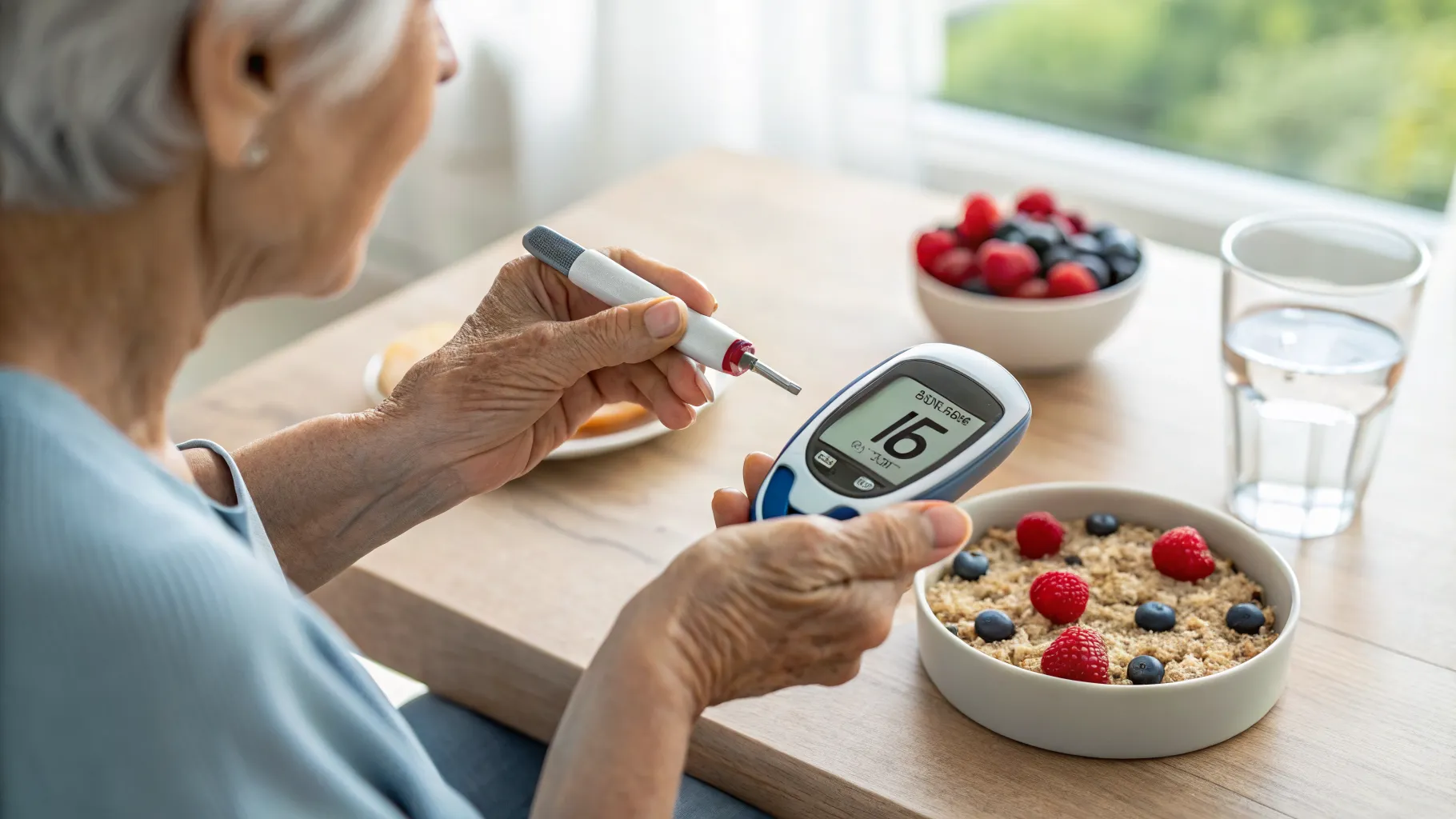
- Regular Monitoring: Consistently check your blood glucose as recommended by your doctor. Keeping a log helps you and your healthcare team understand patterns and make necessary adjustments to your treatment plan. This is the foundation of understanding blood sugar levels after 70.
- Consistent Physical Activity: Engage in regular, moderate exercise approved by your doctor. Activities like walking, swimming, or chair yoga can improve insulin sensitivity and help maintain a healthy weight. Aim for at least 150 minutes per week.
- Medication Adherence: If prescribed medication, take it exactly as directed. Never skip doses or alter them without consulting your physician. This is critical for maintaining stable blood sugar levels in seniors.
- Stress Management: Chronic stress can raise blood sugar levels. Practice stress-reducing activities like meditation, deep breathing, gentle hobbies, or spending time in nature to support your senior blood sugar health.
- Adequate Sleep: Aim for 7-9 hours of quality sleep per night. Poor sleep can negatively impact insulin resistance and appetite-regulating hormones, making blood sugar control more difficult.
Frequently Asked Questions
How often should I check my blood sugar after 70?
The frequency of testing depends on your individual health status, whether you have diabetes, and your doctor's recommendations. Some may test daily, while others may test less frequently. It's crucial to establish a personalized plan for managing blood sugar levels in seniors with your healthcare provider.
Can blood sugar levels after 70 be controlled with diet alone?
For some individuals with prediabetes or very mild type 2 diabetes, diet and exercise can be sufficient for managing senior blood sugar health. However, many older adults require medication in addition to lifestyle changes. This is a decision that must be made in consultation with a medical professional after a thorough evaluation.
What are the first signs of high blood sugar in seniors?
Common signs include increased thirst, frequent urination, fatigue, blurred vision, and unexplained weight loss. However, symptoms can be subtle in older adults. Regular check-ups are key to properly understanding blood sugar levels after 70 and catching issues early.
References
- American Diabetes Association: Standards of Medical Care in Diabetes
- National Institute on Aging: Diabetes in Older People
- Centers for Disease Control and Prevention: Healthy Aging