Understanding Common Causes of Balance Problems in Seniors
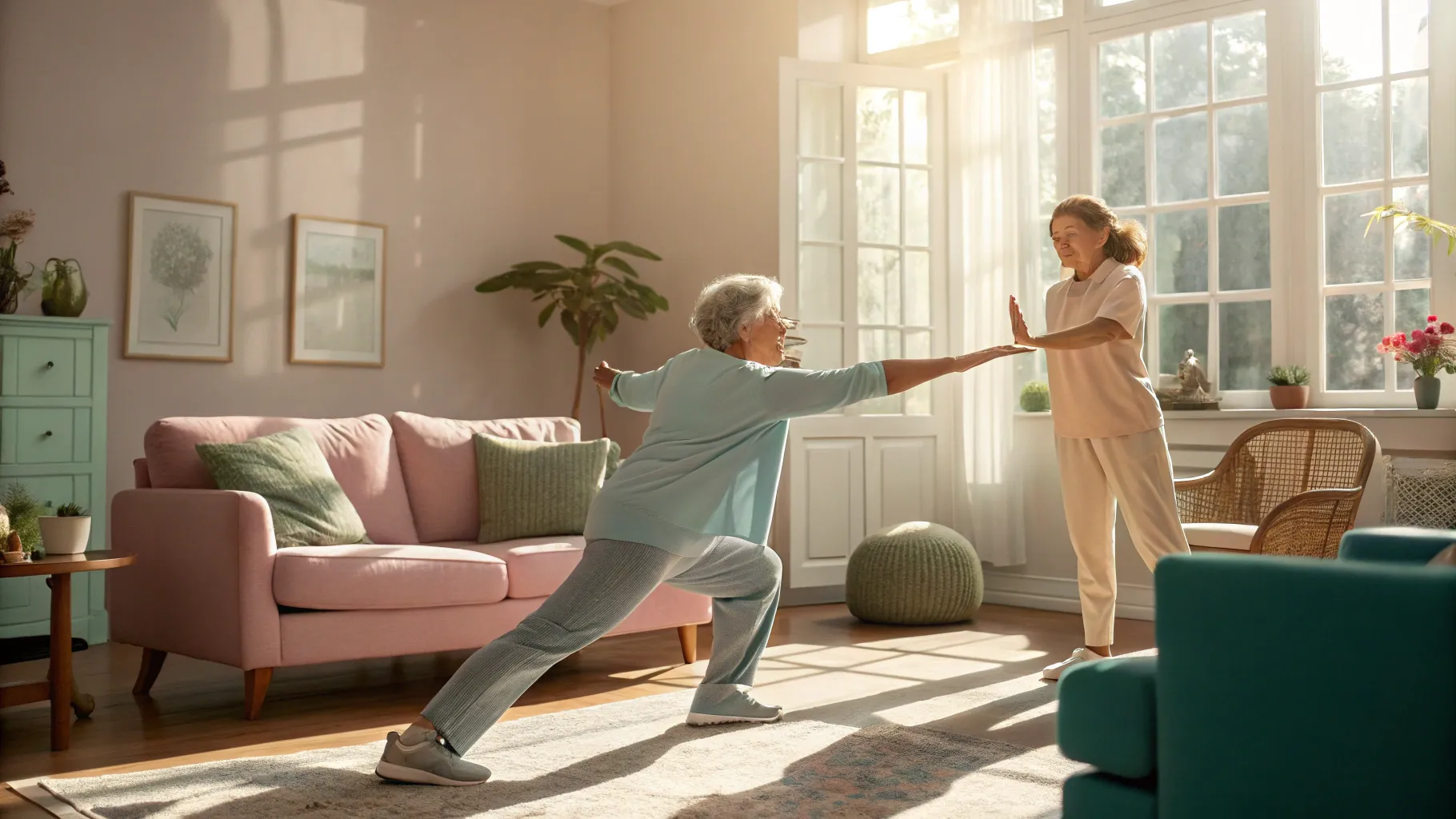
Understanding Balance Challenges Faced by Seniors in 2025
Seniors in 2025 often grapple with balance issues that significantly impact their day-to-day lives. A mix of factors contributes to these challenges, demanding our attention and action to offer solutions. The ability to maintain physical stability is heavily influenced by various aspects of health, lifestyle, and environment, providing a wide spectrum of areas needing focus.
Causes of Balance Problems in Elderly Individuals
A myriad of factors can disrupt balance in older adults, ranging from inner ear complications to neurological disorders. Here's an examination of the primary contributors:
- Inner Ear Disorders: Integral to our balance, the inner ear, when affected by conditions like benign paroxysmal positional vertigo (BPPV) and Meniere's disease, can cause persistent dizziness. ENT specialists are at the forefront of diagnosing and providing relief therapies for these disorders.
- Muscle Weakness: Age-related sarcopenia leads to decreased muscle mass and strength, painfully evident in seniors experiencing balance issues. Encouraging resistance exercises can counteract muscle degradation, aiding seniors in maintaining stability.
- Neurological Conditions: Problems such as Parkinson's disease, strokes, and peripheral neuropathy disrupt communication between the brain and muscles. Managing these conditions with the help of neurologists is crucial to improving balance.
- Vision Impairment: Deteriorating eyesight due to cataracts or macular degeneration compromises spatial awareness, thereby affecting balance. Regular eye examinations are vital in mitigating these effects.
- Medication Side Effects: Many seniors rely on multiple prescriptions, some of which can induce dizziness or unsteadiness. Regular reviews with healthcare professionals are essential to ensuring medications do not adversely affect balance.
Aging and Movement: The Invisible Impact
As seniors age, they might notice a slowdown in cognitive functions that are crucial for rapid reactions to balance threats, such as tripping or uneven surfaces. This decline can trigger a fear of falling, leading many to limit their physical activities. Unfortunately, reduced activity can weaken muscles further, creating a vicious cycle of instability and fear.
The seniors of 2025 often face these compounded challenges. The need to balance promoting physical activities for seniors, alongside ensuring they remain safe, is paramount. Encouraging participation in low-impact, balance-enhancing exercises can help break this cycle.
Promoting Balance and Mobility
Enhancing balance in seniors requires proactive strategies, tailored to individual needs. Here are some key approaches:
- Physical Therapy: Personalized programs by physical therapists target balance issues. By focusing on exercises that build strength and coordination, many seniors report improved mobility.
- Balance-Focused Exercises: Approaches like tai chi and yoga are popular due to their gentle, yet effective movements that promote flexibility and coordination. Studies in the past six months indicate a 50% drop in falls among seniors practicing tai chi.
- Improving Home Safety: Incorporating simple changes at home can have a significant impact. Addition of grab bars and non-slip mats can drastically lower fall risks.
- Vision Care: Regular eye check-ups ensure that any vision-related balance issues are promptly addressed, maintaining overall stability.
- Health Check-ups: Routine assessments with healthcare providers ensure that all factors contributing to balance issues, including medication reviews, are systematically managed.
One remarkable case is that of Anna, aged 74, who turned to a combination of tai chi classes and structured physical therapy. Over the months, she not only strengthened her muscles but found a sense of community and support among fellow participants. Reports show Anna reduced her fall incidents by over 60%, testament to the power of collective efforts and innovative therapy.
Senior lives in 2025 are getting safer, thanks to an increasing awareness of balance issues and the support systems catching up to meet these needs. Through personalized care, community involvement, and committed health practices, seniors can confidently embrace life, defying fears of imbalance.