Understanding Atrial Fibrillation Symptoms and Management
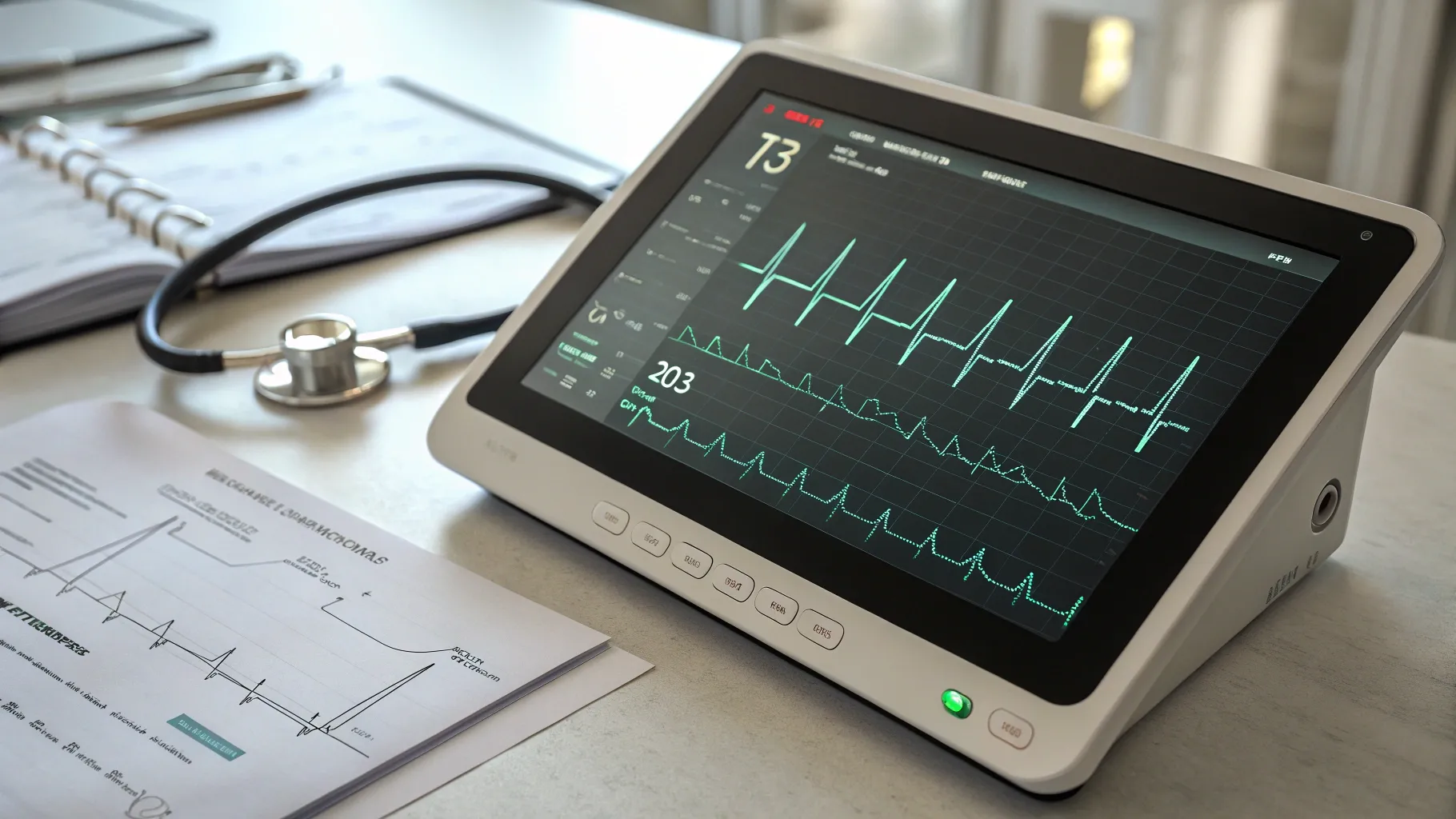
Atrial Fibrillation Information: Understanding This Common Heart Rhythm Condition
Atrial fibrillation, or afib, is one of the most prevalent heart rhythm disorders affecting millions of individuals worldwide. As we navigate through 2025, awareness and understanding of atrial fibrillation are more crucial than ever. Recent statistics suggest that over 33 million people globally are living with this condition, and approximately 2.7 to 6.1 million individuals are affected in the United States alone. Living with atrial fibrillation can seem daunting, but with the right information, individuals can manage their health effectively and maintain a good quality of life.
What is Atrial Fibrillation?
Atrial fibrillation is characterized by an irregular and often rapid heartbeat, leading to poor blood flow. This condition occurs when the electrical signals in the heart become disorganized, causing the atria (the upper chambers of the heart) to flutter instead of contracting effectively. This fluttering can result in various complications, most notably an increased risk of stroke and heart failure, making early diagnosis and management essential.
The experience of living with afib varies from person to person. Some individuals may not experience any symptoms at all, leading to the condition being termed 'silent' afib. For others, the symptoms can be distressing and significantly affect daily life.
Atrial Fibrillation Symptoms
Recognizing the symptoms of atrial fibrillation is vital for seeking appropriate medical intervention. Common symptoms may include:
- Palpitations: A sensation of a racing, pounding, or fluttering heartbeat.
- Shortness of breath: Difficulty breathing during physical activity or even at rest.
- Fatigue: An increased sense of tiredness or lack of energy.
- Dizziness or lightheadedness: Episodes of feeling faint or weak.
- Chest discomfort: Unusual pressures or tightness in the chest.
Although these symptoms can indicate the presence of afib, some people may not experience any form of discomfort. As per recent studies conducted in early 2025, almost 30% of diagnosed cases were identified incidentally during routine health check-ups.
Understanding Atrial Fibrillation Triggers
Many individuals live with atrial fibrillation without knowing what causes their symptoms. Several factors can act as triggers for afib episodes, including stress, excessive alcohol consumption, caffeine intake, and underlying medical conditions such as hypertension or diabetes. Recent research indicates that maintaining a healthy lifestyle, which includes a balanced diet and regular exercise, can significantly reduce the frequency of afib episodes. Moreover, managing stress through meditation and relaxation techniques has shown positive effects.
Diagnosis and Screening for Afib
Getting a proper diagnosis is essential for anyone experiencing symptoms of atrial fibrillation. Healthcare providers typically use an electrocardiogram (ECG) to detect abnormal heart rhythms. In some cases, additional tests such as echocardiograms, stress tests, or long-term monitoring with Holter devices may be employed to observe heart activity over extended periods. Over the past six months, advancements in telemedicine have also allowed for remote monitoring, enabling patients to have better access to healthcare while minimizing unnecessary hospital visits.
Recent Advancements in Atrial Fibrillation Treatment
The approach toward treating atrial fibrillation is evolving. Medications are a common first line of defense. Anticoagulants, often referred to as blood thinners, help reduce the risk of stroke by preventing blood clots. Additionally, beta-blockers or calcium channel blockers may control heart rates and rhythm. For many patients, these medications are effective, but others may require more extensive interventions.
Recent clinical trials conducted in 2024 and released this year have introduced new ablation techniques, which can correct abnormal heart rhythms. Catheter ablation has gained traction as a less invasive option that can produce positive results for patients struggling to find a medication regimen that works. These interventions aim to restore normal rhythm and improve the quality of life.
Lifestyle Changes and Their Impact on Afib Management
Managing atrial fibrillation often goes beyond medical treatments. Lifestyle changes play a pivotal role in managing symptoms and improving overall heart health. Incorporating regular physical activity—such as vigorous walking, cycling, or swimming—can help strengthen the heart and potentially stabilize rhythm. In fact, recent data indicates that patients engaging in moderate exercise have shown a notable decrease in afib episodes.
Nutrition is another cornerstone of afib management. A heart-healthy diet rich in fruits, vegetables, whole grains, lean proteins, and low in saturated fats and sodium can benefit heart health. The Mediterranean diet, for example, is increasingly recommended due to its focus on heart-healthy foods.
Furthermore, smoking cessation is vital, with studies revealing that smokers are at a higher risk of developing atrial fibrillation. Quitting smoking not only reduces this risk but also contributes positively to overall well-being.
Support and Resources for Those with Atrial Fibrillation
Living with atrial fibrillation can be overwhelming, but individuals are far from alone in this journey. Numerous support groups and online forums have emerged in recent years, offering valuable resources for education and shared experiences. Organizations like the American Heart Association provide extensive information on afib and connect patients with support networks.
Moreover, regular consultations with healthcare providers ensure that individuals with afib stay informed about the latest treatments and management strategies. Collaborative care involving cardiologists, primary care physicians, and possibly dietitians or physical therapists ensures that each patient receives comprehensive support tailored to their individual needs.
In summary, understanding atrial fibrillation is crucial for effective management and improving the quality of life. With the right knowledge and support, individuals can navigate this complex condition with confidence, maintaining an active and fulfilling lifestyle.