Understanding Common Anxiety Triggers and How to Cope
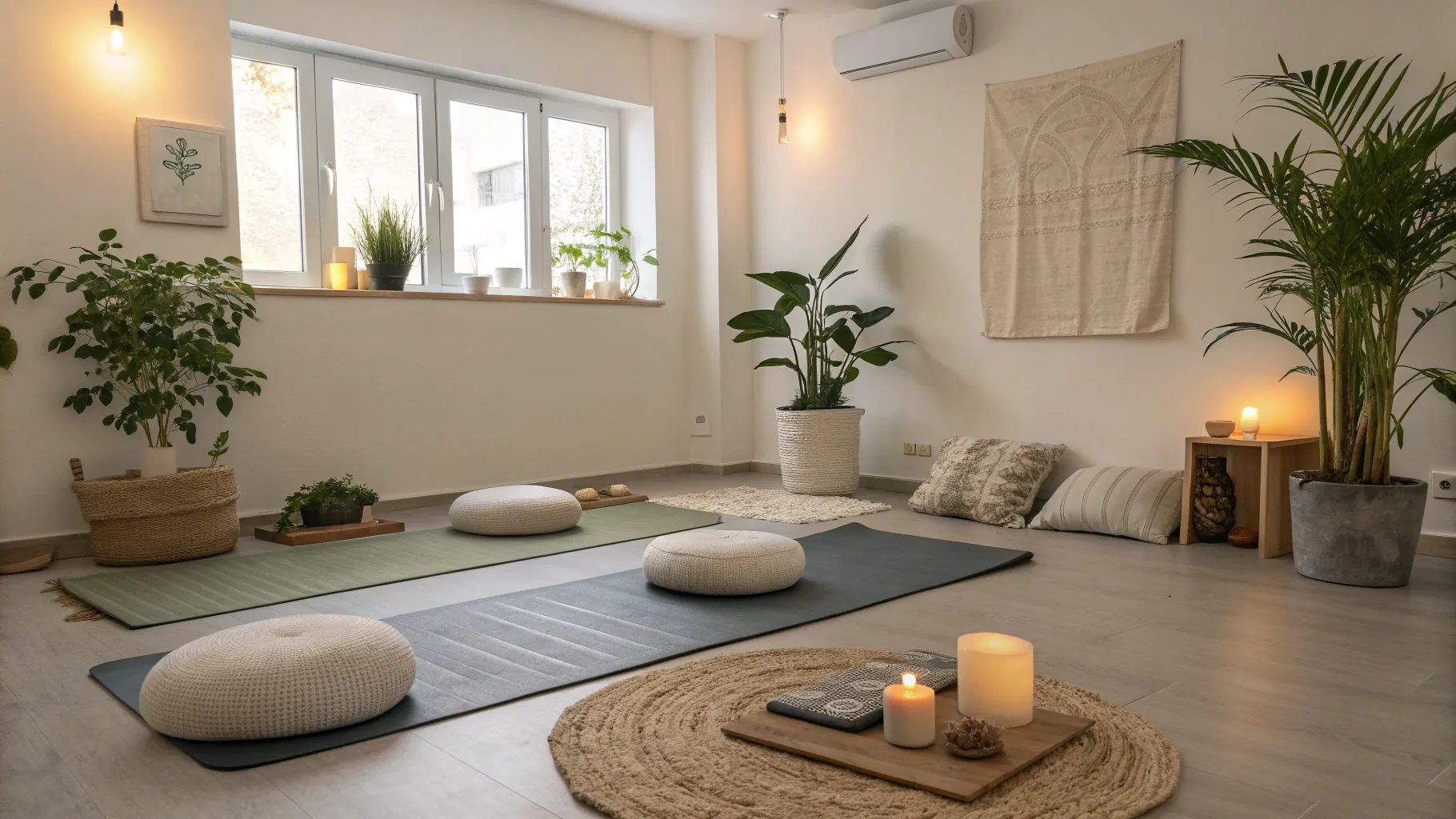
Understanding Common Anxiety Triggers
Anxiety is a common experience, affecting millions of people globally. As of 2025, the anxiety rates have surged, with estimates indicating that approximately 1 in 5 adults struggles with some form of anxiety disorder. Understanding common anxiety triggers is crucial for managing and mitigating the impact it has on daily life. Identifying these triggers can empower individuals to develop strategies to cope more effectively.
Factors That Can Cause Anxiety
Anxiety can be triggered by a variety of factors, both situational and internal. Some of the most common causes include:
- Stressful Life Events: Major life changes such as job loss, divorce, or the death of a loved one can lead to anxiety. Recent studies show that more than 70% of individuals report heightened anxiety levels in the wake of such events.
- World Events: Global issues, like pandemics or economic downturns, have been significant sources of anxiety. The aftermath of the COVID-19 pandemic has left many individuals feeling anxious about their health and future.
- Work-related Stress: Job pressures, including tight deadlines and difficult coworkers, can act as significant anxiety triggers. Over 40% of employees report feeling overwhelmed by their workload and the need to continuously meet high expectations.
- Social Situations: For some, socializing can induce feelings of anxiety, especially in unfamiliar or large groups. No less than 30% of people indicate experiencing social anxiety in networking events or parties.
- Health Concerns: Worrying about personal health or medical conditions can also be a significant anxiety trigger. Studies reveal that around 60% of health anxiety sufferers experience panic attacks during health crises.
Anxiety Triggers and How to Avoid Them
Once anxiety triggers are identified, individuals can take deliberate steps to avoid or lessen their impact. Here are some practical strategies:
- Develop a Routine: Establishing a daily routine can provide structure, thus reducing uncertainty. Personal routines can be tailored to include enjoyable activities that promote relaxation.
- Practice Mindfulness: Techniques such as meditation or yoga can significantly reduce anxiety levels. Mindfulness practices have been shown to lower stress hormones, helping individuals stay grounded.
- Set Boundaries: For anxiety related to work or social situations, it’s essential to recognize personal limits. Saying no to extra responsibilities or declining invitations can help manage anxiety levels.
- Seek Support: Having a reliable support system in place can alleviate anxiety. Talking to friends, family, or mental health professionals can provide valuable perspectives and reassurance.
- Avoidance Isn't the Answer: While it might be tempting to avoid triggers, facing them gradually and in manageable doses can build resilience over time. This method, often referred to as exposure therapy, can significantly reduce phobic reactions.
Common Causes of Anxiety and Stress in Daily Life
Anxiety isn't just a response to dramatic events; often, it's born from the cumulative stress of daily life. Here are some frequent culprits:
- Financial Pressures: Concerns about money, including bills, loans, and saving for the future, consistently rank high on the list of anxiety triggers. A recent survey found that nearly 80% of adults experience anxiety related to financial uncertainty.
- Technology Overload: In our hyper-connected world, the pressure to constantly be 'on' can lead to burnout and anxiety. Notifications from social media, emails, and messages can create a sense of urgency that hampers relaxation.
- Family Responsibilities: Many individuals juggle family commitments alongside work. Managing a household, caring for children or elderly relatives, and maintaining relationships can be overwhelming.
- Perfectionism: The pursuit of perfection can be a double-edged sword. Many people find themselves stressed and anxious when unable to meet unrealistic standards set by themselves or others.
- Fear of Failure: The looming fear of not achieving one's goals can imprison many individuals in a cycle of anxiety and self-doubt.
How to Identify Your Anxiety Triggers
Identifying personal anxiety triggers can be a transformative step towards managing anxiety effectively. Here are some methods to do so:
- Keep a Journal: Tracking daily stressors in a journal helps unveil patterns and triggers over time. Journaling can help to sort out thoughts and feelings attached to specific situations.
- Self-Reflection: Regularly set aside time for self-reflection. Consider times when anxiety peaked and what was happening during those moments to identify potential triggers.
- Engage in Mindfulness: Mindfulness practices can help individuals tune into their feelings and physiological responses. Recognizing bodily reactions to stress can play a key role in understanding anxiety.
- Talk It Out: Discussing experiences with trusted friends or a therapist can provide clarity. Others might offer insights into triggers you might not see yourself.
- Be Open to Change: Your triggers might evolve over time or with life changes. Remain flexible and check in with yourself frequently to recognize new stressors.
In the ever-evolving landscape of 2025, acknowledging and understanding anxiety triggers can pave the way for healthier coping mechanisms. Whether through routine, mindfulness, or support networks, individuals can take proactive steps, transforming their relationship with anxiety from one of fear to managing and understanding it. Remember, facing anxiety begins with recognizing those crucial triggers and taking the courageous step towards addressing them.