Understanding Afib Attacks and Symptoms 2025
Understanding Afib Attacks: Insights into Atrial Fibrillation Episodes
Atrial Fibrillation, popularly referred to as Afib, stands as a critical heart rhythm disorder, drawing considerable focus worldwide in 2025. This heart condition, characterized by irregular and often rapid heartbeats, can complicate one's daily life if left unchecked. In our era of advanced medical science, understanding the nuances of Afib episodes empowers individuals and caregivers alike in managing this heart condition effectively.
Atrial Fibrillation Symptoms: Deciphering the Complex Signals
Atrial Fibrillation is notorious for its array of symptoms. For someone unversed in heart health, these can appear bewildering. So, identifying the classic markers remains pivotal. Here’s what you might experience during an Afib episode:
- Heart Palpitations: This often feels like your heart is dancing out of rhythm, with noticeable fluttering or pounding, ushering prompt visitors to the doctor.
- Persistent Fatigue: A profound and unexplainable tiredness persists, disrupting a person's normal vitality and daily tasks.
- Dizziness and Lightheadedness: This sensation of sudden imbalance or feeling faint is common, often unsettling.
- Shortness of Breath: Activities once thought effortless, like walking a stretch or ascending stairs, may suddenly require immense effort.
- Occasional Chest Pain: Rarer but crucial, this symptom can indicate the need for immediate medical intervention.
In recent evaluations, approximately 60% of those diagnosed with Afib report experiencing one or a combination of these symptoms, cementing the need for heightened awareness and urgent intervention.
Disruption Decoded: The Impact of Afib On Heart Rhythm
At its core, Afib’s complexity stems from its interference with the heart's typical electrical signals. These electrical impulses orchestrate regular, rhythmic heart contractions. In the throes of Afib, however, the atrial chambers of the heart are bombarded with erratic impulses, causing them to quiver. This irregular heartbeat not only disrupts the heart's ability to pump blood efficiently but also increases the risk of severe outcomes like strokes.
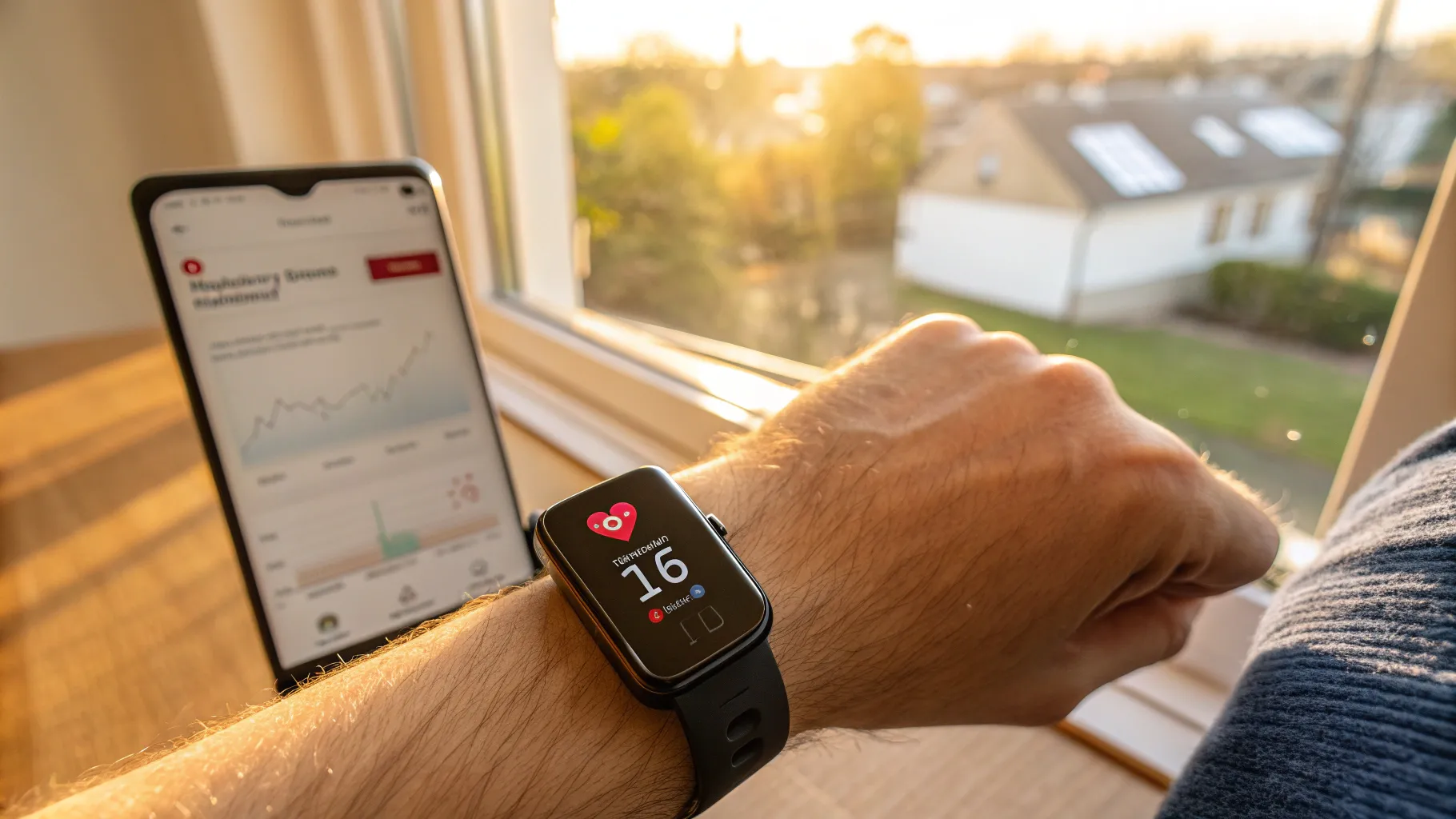
It's noteworthy that breathing a sigh of relief comes from current technological aids, such as wearable devices akin to smartwatches. These devices actively track heart rhythms, alerting users to potential irregularities potentially before symptoms fully manifest, thus acting as a preventive measure and providing constant support for those diagnosed.
Tackling Afib Episodes: The Go-To Strategies
Moreover, experiencing an Afib attack can be distressing, yet some approaches profoundly aid in calming the situation:
- Maintain Composure: Anxiety can exacerbate symptoms, so striving for calmness can mitigate their intensity.
- Rest Immediately: Pause and give your heart a moment to recalibrate by sitting down or lying still.
- Practice Deep Breathing: Engaging in intentional breathing exercises can not only reduce stress but potentially aid in rhythm restoration.
- Seek Professional Help: If discomfort or symptoms persist, prompt medical consultation remains non-negotiable.
- Stick to Medication Protocols: Having a strict regimen with doctor-prescribed medications goes a long way, especially during episodes.
Afib Innovations: Pioneering 2025 Management Techniques
The 2025 landscape of Afib management showcases remarkable advances. With wearable technology becoming more sophisticated, individuals now have the power to track their health metrics efficiently. With an intuitive design, these devices unravel the mysteries of heart rhythms right from the wrist.
Additionally, telemedicine has become an integral ally, providing virtual consultations from the comfort of home. These digital healthcare platforms ensure timely assessments and can recommend adjustments on the fly, eliminating the logistical delays often associated with conventional consultations.
Nevertheless, prescriptions like anticoagulants and beta-blockers anchor Afib management. Over the years, these medications have evolved, keeping stride with the latest innovations to furnish personas with tailored treatments. These nuanced approaches significantly enhance life quality, letting individuals forge ahead with their lives with vitality.
Coupled with public health campaigns focusing on lifestyle modifications and proactive Afib management, the integration of technology with traditional treatments makes all the difference. The latest studies underscore that people armed with knowledge and these modern-day tools are leading proactive and healthier lives.