Understanding 5 Early Signs of Leukemia in Adults
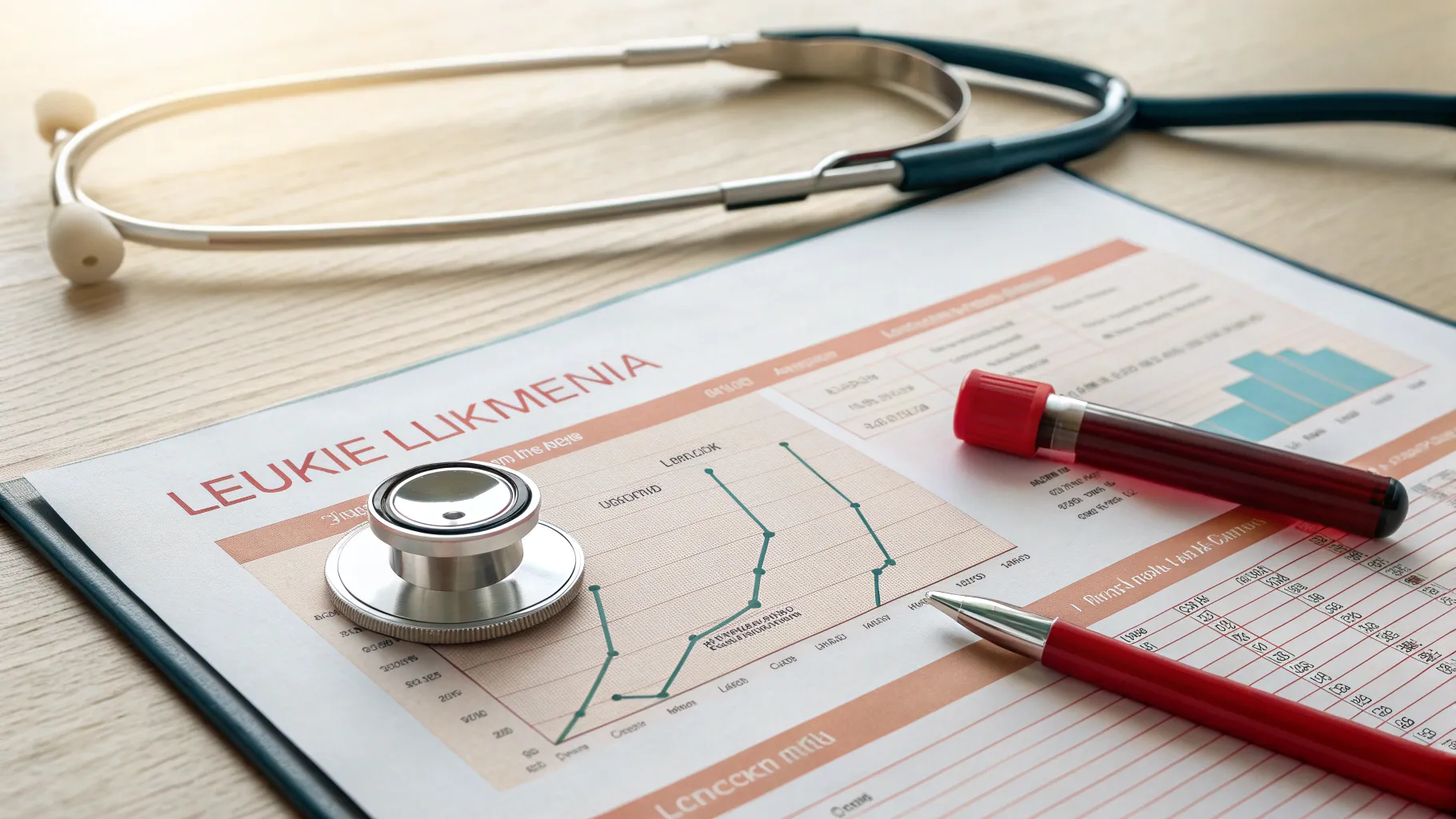
Understanding Early Signs of Leukemia
Leukemia, a type of blood cancer that profoundly impacts the bone marrow and blood circulation, can often present subtle signs that, when identified early, pave the way for effective treatment. As one of the most common malignancies in both adults and children, timely recognition of leukemia symptoms is essential for improving patient outcomes.
Recent statistics reveal over 60,000 new cases of leukemia are diagnosed annually in the United States, underscoring the urgent need for awareness. But what exactly are the five early signs of leukemia? Here’s an insightful look at symptoms that may surface during the early phases of this condition.
Five Early Signs of Leukemia Explained
Recognizing the early warnings of leukemia is crucial for prompt medical intervention. Here, we delve into five indicators that may suggest the presence of leukemia.
- Unexplained Fatigue: One of the first symptoms many individuals report is a profound and persistent fatigue that seems disproportionate to their lifestyle. Unlike regular tiredness, this fatigue does not improve with rest and can severely disrupt day-to-day activities. It often stems from a shortage of red blood cells responsible for oxygen transport—an early sign that something may be amiss in the body.
- Frequent Infections: Individuals with leukemia often experience a marked increase in infections. The reason is straightforward: the body suffers from a shortage of healthy white blood cells. As these white blood cells play a pivotal role in the immune system, low levels can make fighting off infections significantly more challenging, leading to recurrent bouts of flu, colds, or other infections.
- Easy Bruising or Bleeding: Those suffering from leukemia may notice a tendency to bruise easily or to experience prolonged bleeding from minor injuries. This symptom arises from a decrease in platelet counts—crucial components that help blood clot. You might also encounter unexplained nosebleeds or bleeding gums, which can be alarming if they happen regularly.
- Bone Pain: A significant number of leukemia patients report bone discomfort or pain, typically in the joints and back. This discomfort stems from the accumulation of abnormal cells in the bone marrow, leading to increased pressure and discomfort within the bones.
- Swollen Lymph Nodes: One of the more visible signs of leukemia is lymph node swelling. This occurs particularly in areas like the neck, underarms, or groin as the body reacts to the presence of abnormal cells. Such swelling may be painless or accompanied by significant discomfort, according to individual experiences.
Recognizing these symptoms can be life-saving, emphasizing the importance of vigilance. If you or someone you care about is experiencing these signs, seeking medical attention without delay is vital.
Given the Latest Research and Developments
Over the past six months, research advancements have significantly enhanced leukemia diagnosis and treatment options. A groundbreaking study published in the "Blood Journal" highlighted how cutting-edge blood tests now allow healthcare providers to detect leukemia even in asymptomatic individuals, marking a crucial shift in how the disease can be approached. Early detection has been linked to better treatment outcomes, ultimately transforming patient care.
Consider the case of a 34-year-old woman diagnosed this year after experiencing several months of unexplained fatigue, recurrent infections, and easy bruising. Her early consultation led to prompt treatment initiation, which illustrates the need for heightened awareness and responsiveness to warning signs—something that will undoubtedly improve her chances at recovery.
There is also increasing recognition of leukemia symptoms in pediatric patients. In recent months, awareness programs targeting schools and communities are aiming to educate families about these critical signs. By doing so, they promote early medical consultations that could potentially avert the disease from advancing to more severe stages.
Currently, individuals diagnosed with leukemia have an array of treatment options ranging from traditional chemotherapy to innovative immunotherapies and stem cell transplants. Engaging with clinical trials is becoming more common as patients explore advanced treatment methodologies. The optimistic advancements in 2025 continue to reflect an encouraging outlook for those diagnosed with leukemia, thanks to ongoing research initiatives and technological innovations.
Being educated about your health is crucial in today’s world. While these early indicators of leukemia may also relate to common illnesses, proactive engagement with healthcare professionals can be vital. Regular check-ups and dialogues about any health changes can be empowering, enabling individuals to gain insight into their well-being and prompt the necessary tests for accurate diagnosis.
In today's fast-paced environment, it’s easy to downplay symptoms or wrongly attribute them to stress or fatigue. However, the importance of recognizing these early signs of leukemia cannot be overstated. Awareness can and does promote action, leading to better diagnostic windows and treatment strategies.
To maintain health vigilance, make it a priority to discuss any worrying symptoms with health care providers, ensuring a comprehensive assessment. The fusion of awareness and timely medical advice can be pivotal in assessing leukemia or other serious health concerns in an effective manner.
As medical technology continues to advance, it’s essential to stay informed. Whether it's monitoring physical health or being aware of emerging research trends, a proactive approach can significantly impact health outcomes for individuals potentially facing leukemia.
The early signs of leukemia, while sometimes misconstrued as part of everyday life, require attention and appropriate responses. Taking them seriously can lead to early diagnoses, connecting individuals to crucial treatment pathways and improving long-term outcomes.