The Ultimate Guide to Weed Control Concentrate for a Flawless Lawn
Facts:
- Concentrates can cover up to 5,000 square feet per bottle.
- Growing demand for eco-friendly weed control products.
Maximizing Efficacy: How to Select the Perfect Weed Treatment Concentrate
Achieving a lush, uniform lawn is a common goal for homeowners, but invasive weeds can quickly undermine your efforts. The solution often lies in using a powerful weed control concentrate, a highly effective and economical choice for tackling widespread weed problems. Unlike ready-to-use formulas, concentrates allow you to mix the precise amount needed, providing superior coverage and value. Proper application and understanding of these weed control products are crucial for successful lawn weed management and protecting your desired plants.
Understanding the Spectrum of Weed Control Products
When you browse for a weed control concentrate, you'll encounter various formulations designed for specific tasks. The most critical distinction is between selective and non-selective herbicides. Selective concentrates are engineered to target specific types of weeds, such as broadleaf weeds like dandelions and clover, without harming the surrounding turfgrass. This makes them ideal for broadcast applications across your lawn. In contrast, non-selective weed treatment concentrate products will kill any plant they touch, making them suitable for clearing large areas for new garden beds, patios, or pathways. Another key category is pre-emergent versus post-emergent. Pre-emergent concentrates prevent weed seeds from germinating, while post-emergent formulas kill weeds that have already sprouted. A comprehensive lawn weed management strategy often involves both types for year-round control.
The Science of Eradication: How Concentrates Work
The effectiveness of a weed control concentrate hinges on its active ingredients and mode of action. Most post-emergent liquid concentrates are systemic, meaning the chemical is absorbed through the leaves, stems, and sometimes roots of the weed. From there, it translocates throughout the plant's vascular system, disrupting critical biological processes like photosynthesis or cell division, ultimately leading to the plant's demise. This systemic action is why you don't need to drench the entire plant; thorough leaf coverage is usually sufficient. The concentration of the active ingredient is what makes a weed treatment concentrate so potent. By diluting it with water according to the manufacturer's instructions, you create a solution powerful enough to kill weeds but safe enough, when used correctly, for the surrounding environment. This approach is fundamental to effective garden weed control.
A Practical Guide to Applying Weed Control Concentrate
Proper application is key to maximizing the results of your chosen weed control products and ensuring safety. Haphazardly spraying can lead to poor results or damage to desirable plants. Follow these steps for professional-grade application:
- Read the Label Carefully: Before you do anything, thoroughly read the product label. It contains vital information on dilution rates, target weeds, appropriate application temperatures, and crucial safety precautions, including required personal protective equipment (PPE).
- Mix Accurately: Use a clean tank sprayer. Add the specified amount of water first, then add the weed control concentrate. This helps prevent foaming and ensures a proper mixture. Secure the lid and shake the sprayer gently to combine the liquids. Never mix more than you need for the day.
- Choose the Right Day: Apply the solution on a calm, dry day with temperatures between 60-85°F (15-29°C). Wind can cause the spray to drift onto non-target plants, and rain can wash the product off before it's absorbed. Avoid the intense heat of midday.
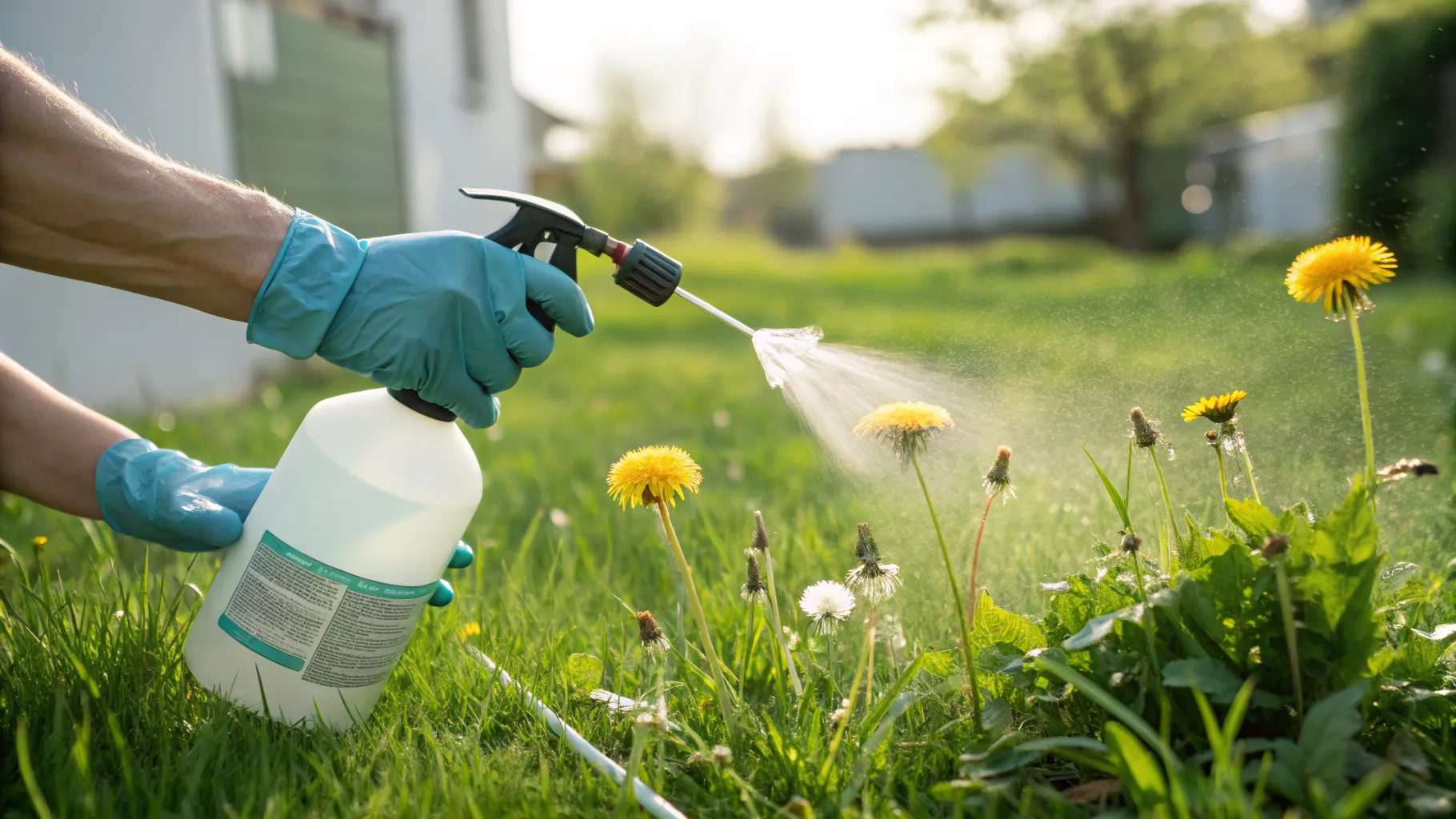
- Spray for Even Coverage: Adjust the sprayer nozzle to a coarse spray to minimize drift. Walk at a steady pace, applying a uniform coating to the weed's foliage until it is wet but not to the point of runoff. For spot treatments, target the center of the weed. This precision is essential for successful garden weed control.
Concentrate vs. Granular: Which Weed Killer is Right for You?
The debate between liquid weed control concentrate and granular weed killers is common among gardeners. Liquid concentrates, once mixed, offer faster absorption and quicker results, as the herbicide is directly applied to the weed's foliage. They are excellent for treating existing weeds and are generally more cost-effective for larger areas. Granular products, often combined with fertilizer in 'weed and feed' formulas, are easier to apply with a broadcast spreader and are great for pre-emergent control. However, they require moisture (rain or watering) to be activated and may not be as effective on mature, stubborn weeds. For targeted, powerful, post-emergent action and overall value, a high-quality weed treatment concentrate is often the superior choice for active lawn weed management.
Avoiding Pitfalls in Your Lawn Weed Management Strategy
Even the best weed control products can fail if not used correctly. A common mistake is applying the product at the wrong time of year. Post-emergent herbicides are most effective when weeds are young and actively growing, typically in the spring or fall. Another error is mowing right before or after application; you should wait at least two days before and after spraying to allow the product to be fully absorbed and translocated. Incorrect dilution is also a major issue—too weak, and it won't kill the weeds; too strong, and it could burn your lawn. By avoiding these simple mistakes, your garden weed control efforts will be far more successful.
Frequently Asked Questions
What is the best time of day to apply a weed control concentrate?
The best time to apply a liquid weed control concentrate is in the morning when temperatures are cooler and the air is calm. This allows the product to dry on the weed's leaves without evaporating too quickly due to heat or being blown away by wind.
Can I use the same weed treatment concentrate on my lawn and in my flower beds?
It depends entirely on the product. A selective broadleaf herbicide designed for lawns can kill or damage many ornamental flowers and shrubs. For flower beds, it is crucial to use a product specifically labeled for that purpose or to rely on careful spot-treatment with a non-selective herbicide, ensuring no spray contacts your desired plants. This is a key principle of effective garden weed control.
How long until I see results from weed control products?
Results can vary depending on the active ingredient, the type of weed, and weather conditions. Generally, you can expect to see wilting and yellowing within 24 to 48 hours, but it may take up to 1-2 weeks for the weed to die completely as the systemic herbicide works its way through the entire plant.
References
- University Extension Office - Lawn and Garden Care Division
- National Gardening Association - Weed Management Guidelines
- Environmental Protection Agency - Herbicide Safety Data