The Ultimate Guide to Using Weed Control Concentrate
Facts:
- Concentrates can cover up to 10x more area than ready-to-use formulas.
- A major trend is the rise of selective herbicides for effective lawn weed management.
Achieving a Flawless Lawn: The Power of Weed Control Concentrate
Maintaining a lush, green, and weed-free lawn is a common goal for homeowners, but it often feels like an endless battle. Stubborn weeds can quickly take over, ruining the aesthetic and health of your turf and garden beds. This is where a high-quality weed control concentrate becomes an indispensable tool. Unlike pre-mixed solutions, concentrates offer a potent, cost-effective, and customizable approach to eradicating unwanted growth. By simply mixing the formula with water according to the instructions, you can create a powerful solution tailored to the size of your treatment area, ensuring you have the right amount of product for any job, big or small. This guide will delve into the best practices for using these products, empowering you to achieve superior results in your lawn weed management efforts.
Choosing the Right Weed Treatment Concentrate for Your Needs
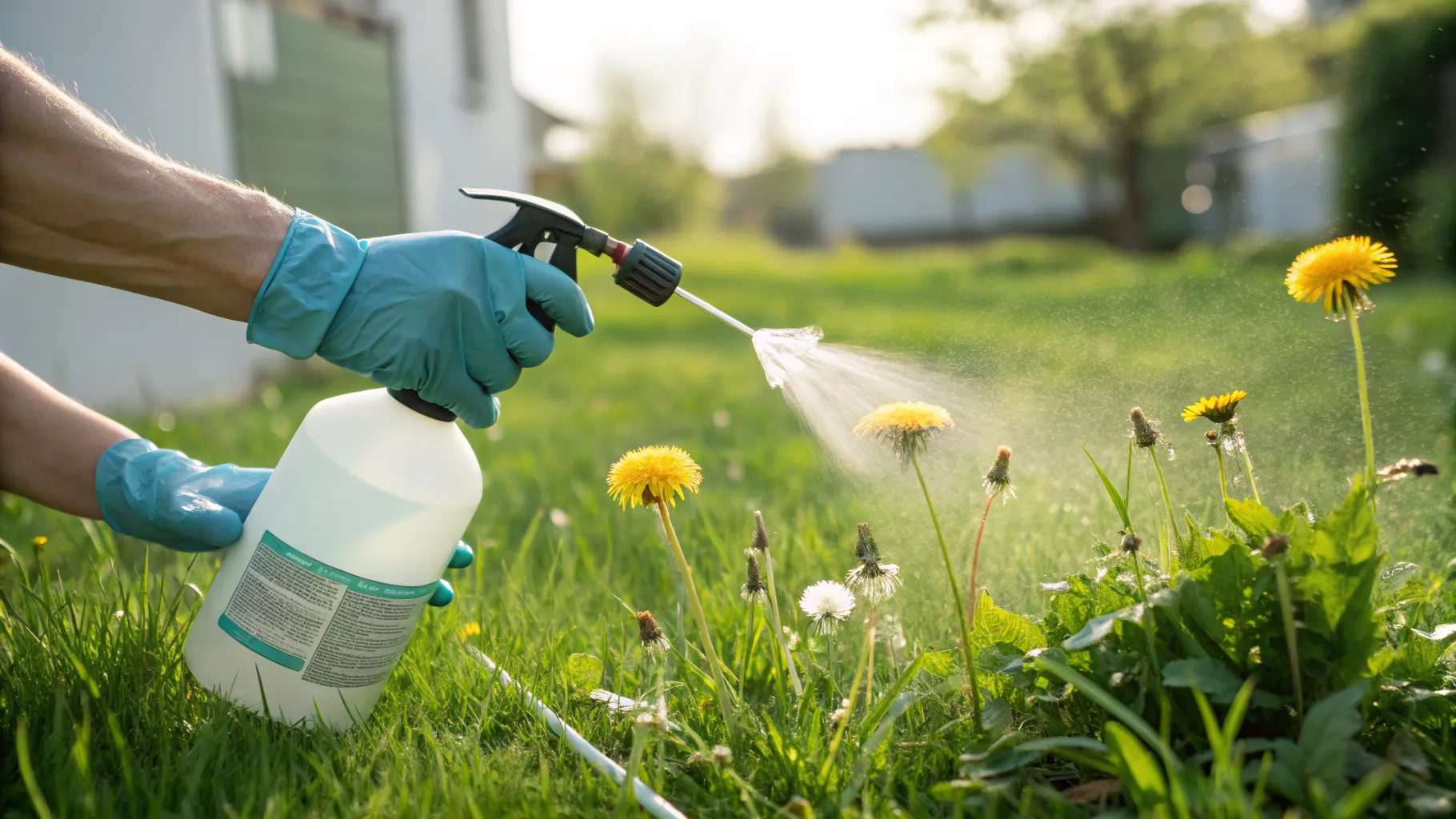
The effectiveness of your weed control strategy begins with selecting the appropriate product. Not all concentrates are created equal, and the market is filled with various formulations designed for specific purposes. The first major distinction to understand is between selective and non-selective herbicides. Selective weed control products are engineered to target specific types of weeds, such as broadleaf weeds like dandelions and clover, without harming the surrounding grass. This makes them ideal for broadcast application across an entire lawn. Conversely, non-selective herbicides, often containing glyphosate or similar active ingredients, will kill any plant they come into contact with. These are best suited for clearing large areas of all vegetation, such as preparing a new garden bed or treating weeds in pavement cracks. When choosing a weed treatment concentrate, you must also consider the types of weeds you are targeting and the type of grass in your lawn to ensure compatibility and avoid damaging your desired turf.
Step-by-Step Guide: Proper Mixing and Application
Correct application is crucial for the success of any weed control concentrate. Improper mixing or application can lead to ineffective results or, worse, damage to your lawn and desirable plants. Following a systematic approach ensures both safety and efficacy. Here is a guide to help you master the process:
- Prioritize Safety: Before handling any chemical, always wear appropriate personal protective equipment (PPE), including long sleeves, pants, chemical-resistant gloves, and eye protection. Read the product label thoroughly for specific safety warnings and first-aid instructions.
- Measure Accurately: Use a clean measuring cup or spoon dedicated solely to garden chemicals. Refer to the product label for the correct dilution ratio. For example, the instructions might specify mixing 2 ounces of concentrate per gallon of water. Never guess the measurements, as a solution that is too weak will be ineffective, while one that is too strong can burn your lawn.
- Mix Thoroughly: Fill your sprayer tank halfway with water first, then add the measured amount of weed treatment concentrate. Seal the sprayer and shake it gently to mix. Finally, add the remaining water to reach the desired volume and shake again. This two-step process helps ensure the concentrate is evenly distributed in the water.
- Apply Evenly: The best time to apply is on a calm, dry day when temperatures are moderate (typically between 60-85°F) and no rain is forecast for at least 24 hours. Walk at a steady pace and use a sweeping motion to apply a fine, even mist across the target area. Avoid overspraying to the point of runoff, as this wastes product and increases the risk of it affecting non-target plants. This precision is key for successful garden weed control.
Maximizing Efficacy: Best Practices for Lawn Weed Management
Beyond simply spraying, several best practices can enhance the performance of your chosen weed control products. Timing is one of the most critical factors. Most broadleaf weeds are most vulnerable when they are actively growing, which typically occurs in the spring and fall. Applying the herbicide during these periods allows for better absorption and translocation throughout the plant, leading to a more effective kill. Additionally, applying the product when the soil is slightly moist can improve uptake through the roots. It's also beneficial to avoid mowing your lawn for two days before and two days after application. This allows for maximum leaf surface area to absorb the chemical and gives the product ample time to work its way through the weed’s system before being cut off. A comprehensive lawn weed management plan also includes proper cultural practices like regular fertilization, correct mowing height, and adequate watering to promote a dense, healthy turf that can naturally crowd out and resist new weed infestations.
Comparing Different Types of Weed Control Products
While weed control concentrate is a popular choice, it's helpful to understand how it compares to other available formats. Ready-to-use (RTU) sprays are the ultimate in convenience. They require no mixing and are perfect for spot-treating a few isolated weeds. However, they are the most expensive option on a per-ounce basis and are impractical for treating large areas. Granular weed control products, often combined with fertilizer, are applied with a spreader and activated by water. They are excellent for lawn-wide applications and offer the dual benefit of feeding the grass while killing weeds. The downside is that they can be less effective on mature weeds and require precise application to avoid uneven results. The primary advantage of a weed treatment concentrate lies in its versatility and economy. It provides the best value for treating medium to large lawns and offers the flexibility to adjust the strength for tougher weeds, making it a cornerstone product for serious garden weed control and lawn care.
Frequently Asked Questions
How long does it take for a weed control concentrate to work?
The time it takes to see results from a weed control concentrate can vary depending on the active ingredient, the type of weed, and environmental conditions. Generally, you may start to see weeds wilting or yellowing within 24 to 48 hours, but it can take up to 2 weeks for the weed to be completely eliminated as the chemical works its way through the entire plant system.
Is a weed treatment concentrate safe for pets and children?
Most weed control products require you to keep pets and children off the treated area until the spray has completely dried. This can take several hours. Always read the product's safety label for specific instructions and re-entry intervals. Many homeowners choose to apply products in the evening to allow for overnight drying.
What is the best type of concentrate for garden weed control around vegetables?
For garden weed control in areas with edibles, it is critical to use a product specifically labeled as safe for use around vegetables and fruits. Many traditional lawn weed killers are not suitable. Look for herbicides with active ingredients like acetic acid (vinegar) or those that are OMRI listed for organic gardening. Alternatively, non-chemical methods like mulching and manual removal are the safest options for edible gardens.
References
- Journal of Agronomy and Crop Science
- National Gardening Association Weed Identification Guide
- University Extension Office Pest Management Handbook
- Environmental Protection Agency Herbicide Guidelines