Ultimate Guide to Control Moisture Indoors: Pro Tips for Homes
Facts:
- Mold can begin growing on a damp surface within 24 hours.
- Smart home technology now offers automated humidity control for homeowners.
Unlocking the Secrets to a Drier, Healthier Home Environment
High indoor humidity is more than just a comfort issue; it's a significant threat to both your property and your health. Excess moisture in the air can lead to mold growth, musty odors, peeling paint, and warped wood, creating costly repairs. More importantly, it can exacerbate allergies and respiratory issues. Therefore, understanding tips to control moisture indoors is the first crucial step toward creating a safer and more comfortable living space. This guide provides comprehensive moisture control tips for homes, offering actionable strategies to tackle dampness at its source and effectively stop moisture buildup indoors for good.
Identifying the Common Culprits Behind Excess Indoor Moisture
Before you can effectively control moisture, you must identify where it's coming from. Everyday activities are often the primary sources. Cooking, showering, and even breathing release significant amounts of water vapor into the air. A family of four can produce several gallons of water vapor per day through these routine actions alone. Beyond daily life, structural issues are a major concern. Leaky roofs, faulty plumbing, and cracks in the foundation can introduce water directly into your home. Poorly ventilated areas, such as basements, crawl spaces, and bathrooms, are particularly susceptible to moisture accumulation. A key part of finding indoor moisture problems solutions is conducting a thorough inspection of your home to pinpoint these problem areas. Look for condensation on windows, water stains on ceilings and walls, or a persistent damp smell, as these are all clear indicators that you need to take action.
Actionable Strategies on How to Reduce Indoor Humidity
Once you've identified the sources, you can implement targeted strategies. Effectively managing humidity requires a multi-faceted approach. Here are some of the most effective moisture control tips for homes that you can start using today:
- Improve Ventilation: This is your first and most powerful tool. Use exhaust fans in kitchens and bathrooms to vent moist air directly outside. Run them during and for at least 20 minutes after activities like showering or cooking. On dry, less humid days, open windows and doors to encourage cross-ventilation, which is a simple way to stop moisture buildup indoors.
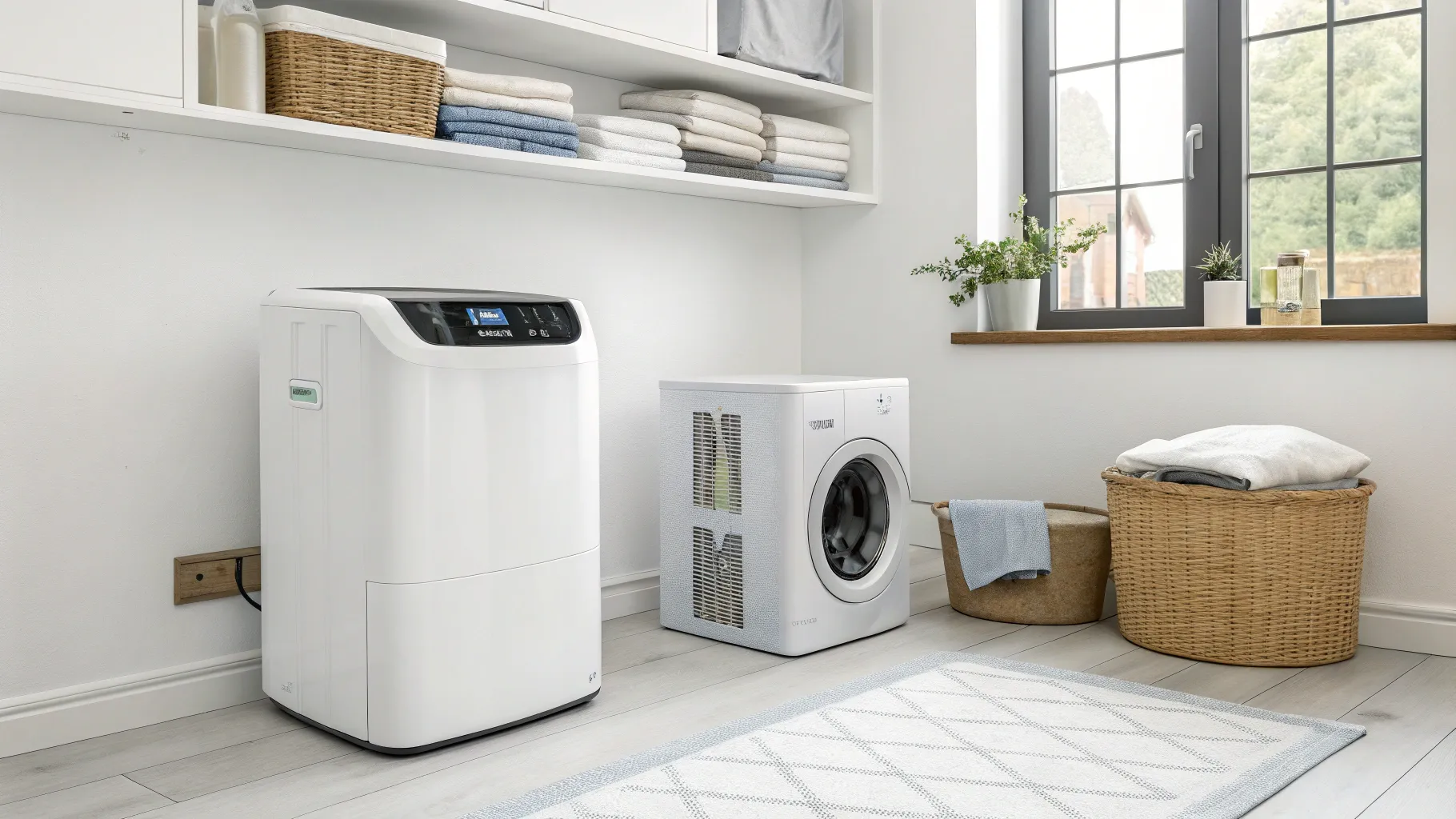
- Use a Dehumidifier: For chronically damp areas like basements or crawl spaces, a high-quality dehumidifier is essential. These appliances physically remove water from the air. Set the humidistat to maintain a relative humidity below 50% for optimal results. This is a cornerstone of learning how to reduce indoor humidity effectively.
- Fix Leaks Promptly: A small drip can introduce a surprising amount of water over time. Regularly inspect pipes, roofs, and foundations for any signs of leaks and repair them immediately. This preventative measure is a critical component of long-term moisture control.
- Manage Ground Water: Ensure your gutters are clean and downspouts direct water at least five feet away from your foundation. The ground around your foundation should be sloped away from the house to prevent water from seeping into your basement or crawl space. This is a fundamental step in preventing serious indoor moisture problems solutions from being needed.
- Be Mindful of Indoor Plants: While beautiful, houseplants release moisture into the air through transpiration. If you have a large number of plants, consider grouping them in one well-ventilated room or reducing their number if humidity is a persistent issue.
Advanced Solutions for Persistent Indoor Moisture Problems
Sometimes, basic measures are not enough to combat severe or persistent moisture issues. In these cases, you may need to consider more advanced solutions. Installing a vapor barrier in your crawl space is an excellent way to prevent ground moisture from evaporating into your home. This plastic or foil sheeting covers the soil and acts as a physical barrier. For homes with significant groundwater issues, a sump pump system may be necessary to actively pump water out from under the foundation. Another effective strategy is improving your home's insulation and air sealing. Proper insulation helps keep interior surfaces warmer, reducing the likelihood of condensation forming when warm, moist air comes into contact with them. These advanced methods are often the most effective indoor moisture problems solutions for challenging situations.
The Critical Role of Air Circulation to Stop Moisture Buildup Indoors
Stagnant air is a breeding ground for moisture problems. Even in a well-ventilated home, some areas can have poor air circulation, leading to localized damp spots. Using ceiling fans or portable fans can help keep the air moving, which encourages evaporation and distributes moisture more evenly, making it easier for your ventilation systems or dehumidifier to handle. When arranging furniture, leave a few inches of space between large items and exterior walls. This small gap allows air to circulate behind them, preventing the cold wall surfaces from becoming condensation traps. Proper air circulation is a simple yet vital part of understanding tips to control moisture indoors and maintaining a healthy humidity level throughout your entire home.
Frequently Asked Questions
What are the first signs that I need to find indoor moisture problems solutions?
The earliest signs include condensation forming on the inside of windows, a persistent musty or damp odor, visible mold or mildew spots (often black or green), and peeling or bubbling paint on walls and ceilings. Feeling a clammy or damp sensation in the air, especially in basements, is also a key indicator that you need to investigate.
How can I accurately measure the humidity level in my home?
The best way to measure indoor humidity is with a hygrometer. These are inexpensive digital devices available at most hardware or home goods stores. Placing hygrometers in different areas of your home, like the basement and main living area, will give you an accurate understanding of your home's humidity profile and help you implement better moisture control tips for homes.
Is it better to use an air conditioner or a dehumidifier to reduce indoor humidity?
While an air conditioner does remove some moisture from the air as part of its cooling process, a dedicated dehumidifier is far more efficient and effective for the sole purpose of humidity control. If your primary goal is learning how to reduce indoor humidity, especially in cooler, damp areas like basements, a dehumidifier is the superior choice.
References
- Environmental Protection Agency (EPA) - Mold and Moisture in Homes
- American Society of Heating, Refrigerating and Air-Conditioning Engineers (ASHRAE) - Ventilation and Indoor Air Quality Standards
- Building Science Corporation - Guides on Moisture Control