Unlock Your Potential: The Ultimate Guide to DIY Home Projects Classes
Facts:
- The DIY home improvement market is a multi-billion dollar industry.
- A rising trend for homeowners is enrolling in specialized DIY workshops.
From Novice to Know-How: Embark on Your DIY Journey
Stepping into the world of home improvement can feel daunting, but it doesn't have to be. With the right guidance, anyone can transform from a hesitant homeowner into a confident creator. This is where diy home projects classes come into play, offering a structured, safe environment to learn diy skills from experienced professionals. These courses are designed to demystify everything from basic repairs to ambitious renovations, empowering you with the knowledge to not only save money but also to take immense pride in your living space. Whether you want to fix a leaky faucet, build a bookshelf, or rewire a light fixture, there's a class tailored for you.
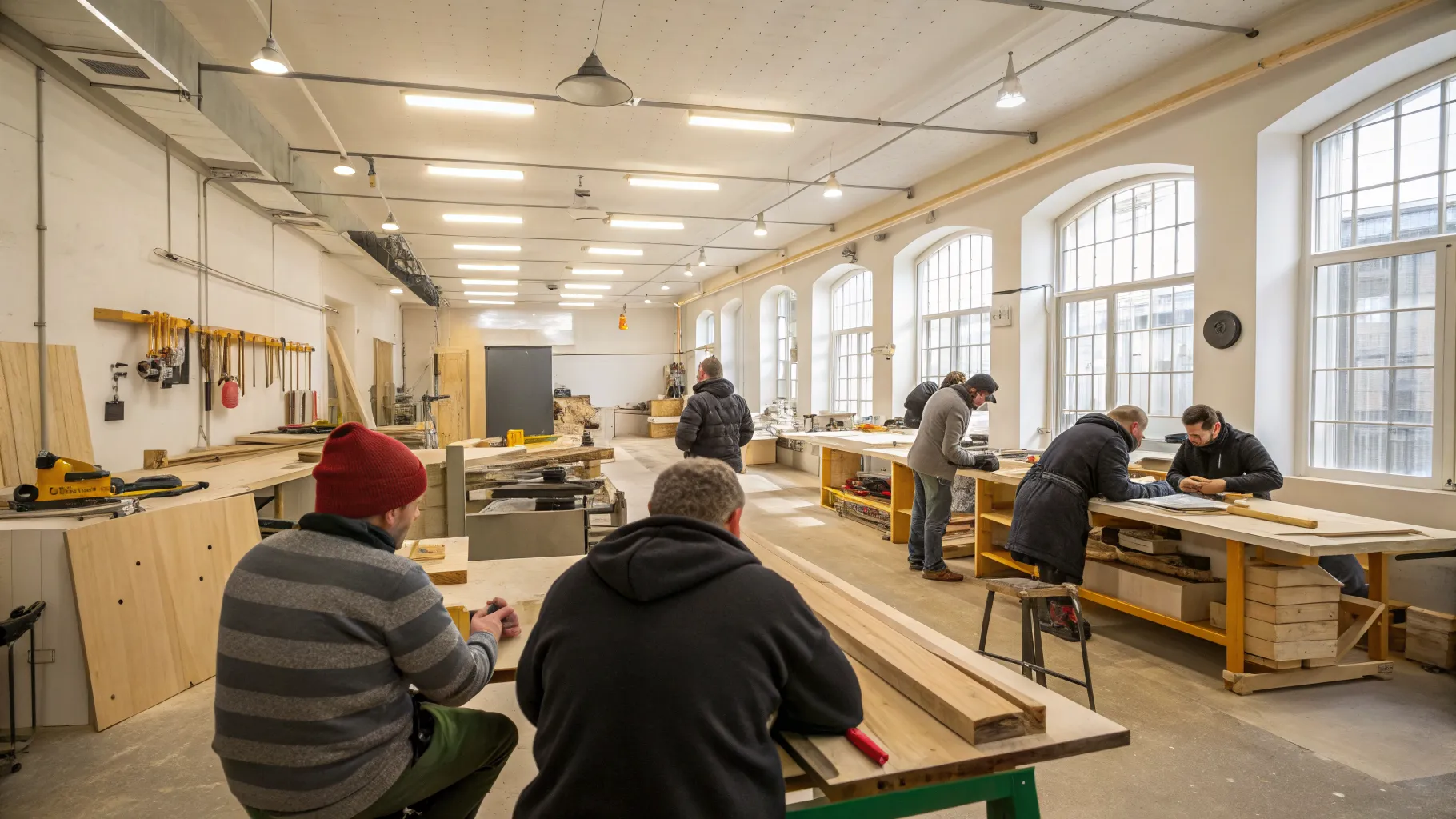
The Core Benefits of Attending DIY Workshops
The value of attending diy workshops extends far beyond the physical skills you acquire. One of the most significant advantages is the potential for substantial cost savings. By learning how to handle repairs and improvements yourself, you eliminate the need for expensive professional labor. Furthermore, these home project classes provide a unique sense of accomplishment and personal satisfaction. There is nothing quite like pointing to a beautifully painted room or a custom-built piece of furniture and saying, 'I did that.' This hands-on diy training also builds problem-solving skills and boosts creativity, which are valuable in all aspects of life. You'll join a community of like-minded individuals, sharing tips and encouragement along the way.
Choosing the Perfect Home Project Classes for Your Goals
With a growing variety of courses available, finding the right home project classes to match your interests and needs is easier than ever. For beginners, introductory courses covering basic tool safety, measurements, and simple carpentry are an excellent starting point. If you have specific projects in mind, look for specialized diy workshops focusing on areas like plumbing essentials, basic electrical wiring, tiling, or advanced woodworking. When comparing options, consider class size, the instructor's experience, and the amount of hands-on practice offered. Many community centers and home improvement stores now offer a diverse schedule of diy home projects classes, making it convenient to find one that fits your budget and lifestyle. A thorough search will help you find the perfect diy training program.
What to Expect from Your First DIY Training Session
Walking into your first class can be exciting. To make the most of the experience, it's helpful to know what to anticipate. A quality diy training session is structured to provide both theoretical knowledge and practical application, ensuring you can confidently replicate the skills at home. Here’s a breakdown of what you can typically expect:
- Expert Guidance: Your instructor will be a seasoned professional with extensive experience in their trade. They will guide you through each step, offering personalized feedback and ensuring you understand the core concepts.
- Hands-On Practice: The majority of the class will be dedicated to practical work. You will use real tools on real materials, which is the most effective way to learn diy skills and build muscle memory.
- Safety First: A major focus of any reputable course is safety. You will learn how to properly handle tools and equipment, wear appropriate protective gear, and create a safe work environment for any project.
- All Materials Provided: Most diy workshops include the cost of materials and the use of all necessary tools in the registration fee, so you can simply show up ready to learn without any initial investment in equipment.
Beyond the Classroom: Applying Your New DIY Skills
The end of your course is just the beginning of your journey. The key to mastering what you've learned in diy home projects classes is consistent practice. Start with small, manageable projects around your own home to build confidence. This could be as simple as hanging a picture frame perfectly straight, touching up paint, or repairing a wobbly chair leg. As your confidence grows, you can take on more complex challenges. Don't be afraid to make mistakes; every error is a learning opportunity. Continue to learn diy skills by watching online tutorials, reading books, and connecting with other DIY enthusiasts. Building your own toolkit over time is also a crucial step, ensuring you always have the right tool for the job when inspiration strikes.
Frequently Asked Questions
Are diy home projects classes suitable for absolute beginners?
Absolutely. The vast majority of diy home projects classes are designed specifically for beginners with little to no prior experience. Instructors are skilled at breaking down complex tasks into simple, easy-to-understand steps, creating a supportive and encouraging learning environment.
What kind of tools do I need for diy workshops?
For most introductory diy workshops, you do not need to bring any of your own tools. The course fee typically covers the use of all necessary tools and safety equipment. This allows you to try different tools before deciding which ones to purchase for your personal collection.
How can I find the best home project classes in my area?
A great place to start is by checking with local home improvement stores, community colleges, and vocational schools. Online searches for 'home project classes near me' or 'local diy training' will also yield numerous results, including independent workshops and maker spaces.
References
- Home Improvement Research Institute Reports
- Journal of Consumer Skills and Education
- DIY Community & Workshop Surveys
- Building Trades and Vocational Training Manuals