A Complete Guide to Treatment Options for Colitis in 2026
Facts:
- Biologic therapies now target specific inflammation pathways.
- Personalized medicine is a significant trend for ulcerative colitis treatment.
Navigating Remission: A Deep Dive into Colitis Therapies
Finding the right path to manage inflammatory bowel disease (IBD) begins with understanding the full spectrum of colitis treatment options. For those diagnosed with conditions like ulcerative colitis, the journey can feel overwhelming, but modern medicine offers a diverse arsenal of effective therapies. The goal of any ulcerative colitis treatment is not just to alleviate symptoms but to induce and maintain long-term remission, improving quality of life. This comprehensive guide explores the primary methods for how to treat colitis, from foundational drugs to the latest advancements, empowering you to have more informed discussions with your healthcare team about the best colitis treatment for your specific needs.
Foundational Colitis Medication: Aminosalicylates and Corticosteroids
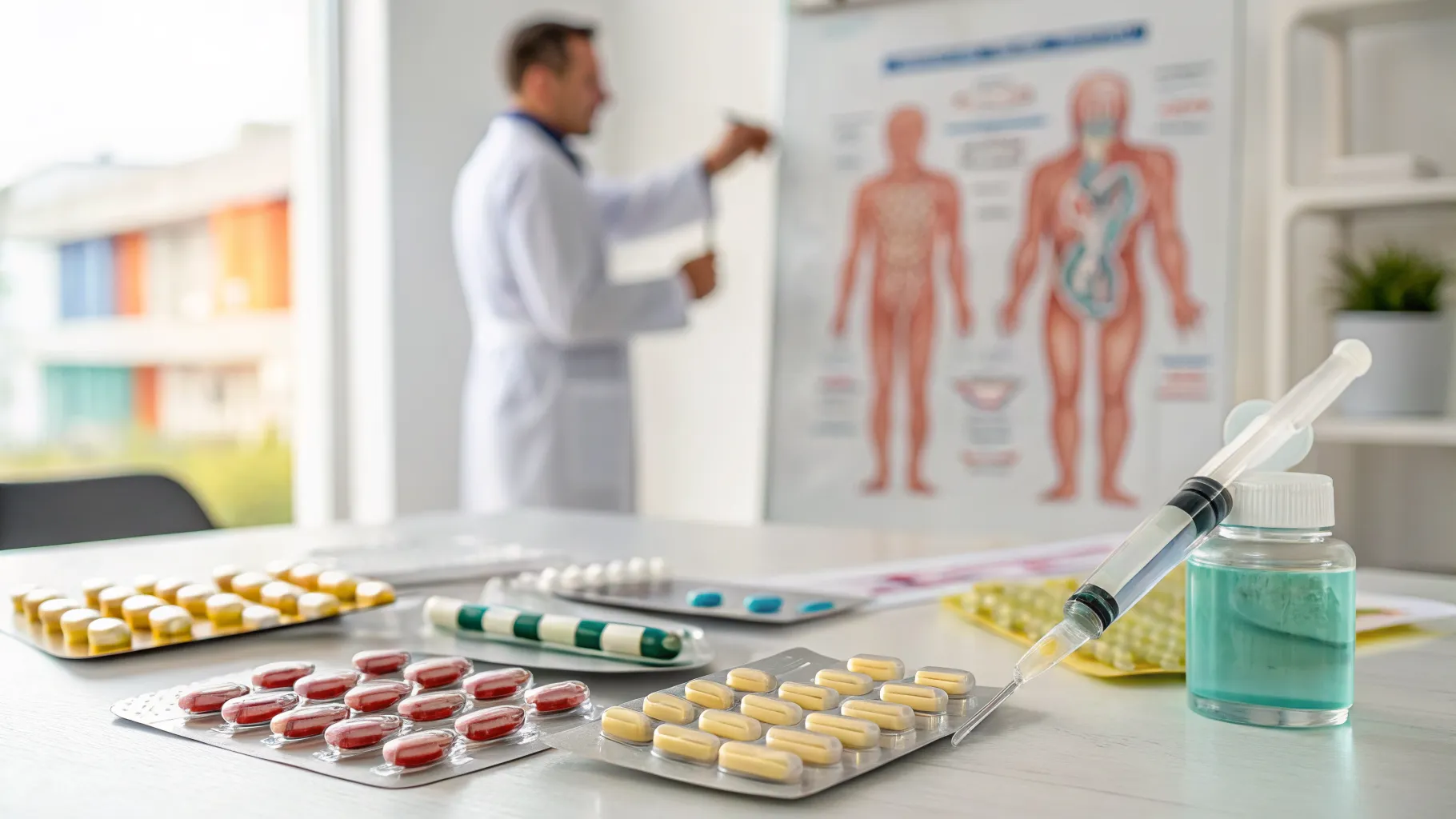
The first line of defense in managing mild to moderate colitis often involves aminosalicylates, commonly known as 5-ASAs. This class of colitis medication works by reducing inflammation directly in the lining of the colon. They are available in oral forms, as well as rectal formulations like suppositories or enemas, which can be highly effective for disease located in the lower part of the colon. For many, 5-ASAs are a cornerstone of their long-term ulcerative colitis treatment plan to maintain remission. When a flare-up occurs, doctors may prescribe corticosteroids. These are powerful, fast-acting anti-inflammatory drugs that can quickly bring severe symptoms under control. However, due to potential side effects with long-term use, they are typically used for short-term management to bridge patients to a safer, long-term maintenance therapy, making them a critical but temporary part of the available colitis treatment options.
Advanced Therapies: Immunomodulators and Biologics
For patients who do not respond to foundational therapies or have more severe disease, advanced treatments are necessary. Immunomodulators are a type of colitis medication that modifies the activity of the immune system to reduce inflammation. While effective, they can take several months to start working and require regular monitoring. A more targeted and often more effective approach involves biologics. These are genetically engineered proteins derived from living organisms that target specific proteins in the immune system responsible for causing inflammation. Administered via infusion or injection, biologics have revolutionized how to treat colitis, offering hope for many who previously had limited options. They represent what many consider the best colitis treatment for moderate to severe disease, significantly improving outcomes and remission rates.
The Rise of Small Molecule Drugs in Colitis Management
A newer class of advanced therapies is small molecule drugs, such as JAK inhibitors. Unlike biologics which are large molecules that work outside of cells, these drugs are small enough to enter cells and disrupt the signaling pathways that lead to inflammation. Taken orally as a pill, they offer a convenient and potent option among the various colitis treatment options. This type of colitis medication has shown rapid efficacy in clinical trials for treating moderate to severe ulcerative colitis, making it a compelling choice for patients who may have lost response to or are not candidates for biologics. Their role in the landscape of ulcerative colitis treatment continues to expand, providing another powerful tool for gastroenterologists and their patients.
Surgical Intervention: When Is It the Best Colitis Treatment?
While the goal is always to manage colitis with medication, surgery can become a necessary and sometimes curative option. For ulcerative colitis, the most common surgery is a proctocolectomy, which involves the removal of the colon and rectum. This procedure effectively cures the disease as it removes the inflamed tissue. Often, surgeons can create an internal pouch (known as a J-pouch) from the small intestine and connect it to the anus, allowing for relatively normal bowel function. The decision to undergo surgery is significant and is typically reserved for cases of severe, unresponsive disease, the presence of precancerous cells, or life-threatening complications. For some, surgery ultimately represents the best colitis treatment, freeing them from the chronic symptoms and medication regimens.
Lifestyle and Dietary Strategies to Support Treatment
While not a substitute for medical intervention, lifestyle and dietary modifications are crucial supportive elements of any colitis management plan. Learning how to treat colitis effectively involves a holistic approach. During a flare, a low-residue or low-fiber diet may help reduce symptoms like cramping and diarrhea. Identifying and avoiding trigger foods through a food diary can also be beneficial. Managing stress, getting adequate sleep, and engaging in regular, gentle exercise can also have a positive impact on symptoms and overall well-being. These strategies, used in conjunction with your prescribed colitis medication, form a comprehensive approach to managing the condition and supporting the efficacy of your chosen colitis treatment options.
Frequently Asked Questions
What is considered the best colitis treatment to start with?
The best colitis treatment for a newly diagnosed patient typically depends on the severity and extent of the disease. For mild to moderate ulcerative colitis, aminosalicylates (5-ASAs) are often the first-line therapy. They are effective at reducing inflammation and maintaining remission with a favorable safety profile.
How do I know which colitis medication is right for me?
Choosing the right colitis medication is a collaborative decision between you and your gastroenterologist. Factors include the severity of your colitis, its location in your colon, your overall health, your response to previous treatments, and your personal preferences regarding administration (pills vs. injections). A thorough evaluation will determine the most suitable of the available colitis treatment options.
Can ulcerative colitis treatment cure the disease?
Currently, medical ulcerative colitis treatment aims to manage symptoms and maintain long-term remission, but it does not cure the disease. The only definitive cure for ulcerative colitis is the surgical removal of the colon and rectum (proctocolectomy). However, many people can live long, healthy lives by effectively managing the condition with medication.
What are the newest colitis treatment options available?
The newest colitis treatment options include advanced biologic therapies that target very specific inflammatory pathways and small molecule drugs like JAK inhibitors. These treatments offer new hope for patients with moderate to severe colitis, especially those who haven't responded to traditional therapies. Research is ongoing, and new medications are continuously being developed.
References
- Clinical Practice Guidelines on the Medical Management of Ulcerative Colitis.
- Studies from the Journal of Crohn's and Colitis on Biologic Efficacy.
- National Institute of Diabetes and Digestive and Kidney Diseases (NIDDK) Reports.
- Advances in Gastroenterology: Small Molecule Drugs.