A Comprehensive Guide to Treatment Options for Colitis
Facts:
- Colitis affects millions of people globally.
- Personalized treatment plans show significantly higher success rates for colitis management.
Navigating the Landscape of Modern Colitis Therapies
Finding the right path forward when dealing with colitis can feel overwhelming, but understanding the available colitis treatment options is the first crucial step toward remission and improved quality of life. The approach to managing this condition has evolved significantly, moving beyond one-size-fits-all solutions to highly personalized strategies. This guide will explore everything from foundational medications to cutting-edge biologic therapies, helping you understand how to treat colitis effectively in partnership with your healthcare provider. Whether you are newly diagnosed or exploring new avenues, knowing the full spectrum of care, including the best colitis treatment for your specific situation, is empowering.
Foundational Colitis Medication: First-Line Defenses
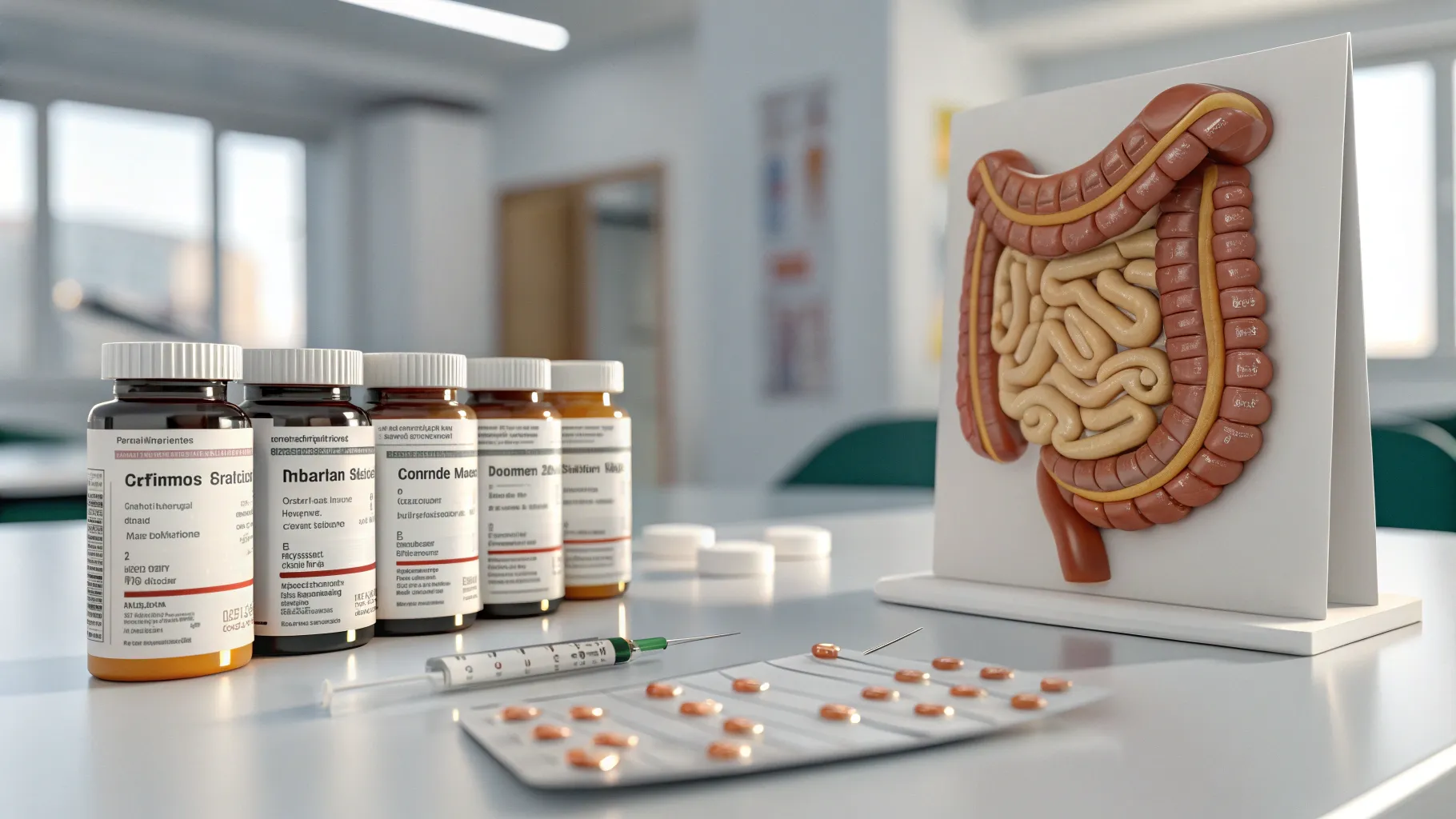
The journey of managing colitis often begins with a class of drugs known as aminosalicylates (5-ASAs). This type of colitis medication, which includes drugs like mesalamine, is designed to reduce inflammation directly in the lining of the colon. They are typically considered the first line of defense for mild to moderate cases, particularly in ulcerative colitis treatment. They work by inhibiting the production of certain chemicals that cause inflammation. The effectiveness of 5-ASAs can depend on the location and severity of the inflammation, which is why they come in various forms, including oral tablets, enemas, and suppositories, to target specific areas of the colon. For many, this is a key part of learning how to treat colitis successfully in its early stages.
Corticosteroids for Acute Flare-Ups
When colitis symptoms flare up intensely, doctors often turn to corticosteroids like prednisone. These powerful, fast-acting anti-inflammatory drugs are highly effective at getting severe inflammation under control quickly. However, they are not intended for long-term use due to a significant risk of side effects, which can include weight gain, mood swings, high blood pressure, and bone density loss. Corticosteroids serve as a critical short-term bridge, calming a severe flare-up while a longer-term, safer maintenance therapy is established. They are a vital tool in the arsenal of colitis treatment options but must be used judiciously under strict medical supervision.
Advanced Therapies: Biologics and Small Molecule Drugs
For individuals with moderate to severe colitis who do not respond to traditional therapies, biologic drugs and small molecule drugs represent the frontier of treatment. These advanced medications are a cornerstone of modern ulcerative colitis treatment. Biologics are proteins that target specific parts of the immune system that drive inflammation, such as TNF-alpha. Small molecule drugs, known as JAK inhibitors, work from inside the cells to block inflammatory signals. Many patients and doctors consider these the best colitis treatment for achieving and maintaining long-term remission when other options have failed. They are administered via infusion or injection and require careful monitoring, but they have revolutionized care for many.
Immunomodulators: Modifying the Immune Response
Immunomodulators, such as azathioprine and methotrexate, are another important category of colitis medication. These drugs work by suppressing the overactive immune system that causes chronic inflammation in colitis. They are not as fast-acting as steroids but are used for long-term maintenance to keep the condition in remission and can help reduce or eliminate the need for corticosteroids. They are often used in combination with other therapies, like biologics, to enhance their effectiveness. Understanding the role of these drugs is essential when considering the full range of colitis treatment options available.
Surgical Interventions for Colitis
In severe cases where medication is ineffective or complications arise, surgery may become a necessary consideration. For ulcerative colitis, the most definitive surgical procedure is a proctocolectomy, which involves the removal of the colon and rectum. This can be a curative procedure for the disease itself. Often, an internal pouch (J-pouch) is created from the small intestine and connected to the anus, allowing for relatively normal bowel function. While surgery is a major step, it can be the best colitis treatment for those with debilitating, unresponsive disease, offering a path to a life free from the symptoms and medication side effects of severe colitis.
Actionable Lifestyle and Dietary Support
While medical treatments are primary, certain lifestyle adjustments can support your overall well-being and help manage symptoms.
- Dietary Journaling: Keep a detailed food diary to identify personal trigger foods that may worsen your symptoms. Common culprits include high-fiber foods, dairy, and spicy or fatty foods, but triggers are highly individual.
- Stress Management: Chronic stress can exacerbate colitis flare-ups. Incorporate stress-reducing practices like mindfulness, yoga, or gentle exercise into your daily routine to help manage your body's inflammatory response.
- Consult a Dietitian: Work with a registered dietitian specializing in inflammatory bowel disease (IBD) to create a balanced, nutrient-rich diet that supports gut health without aggravating your condition. This is a vital part of learning how to treat colitis holistically.
- Stay Hydrated: Chronic diarrhea can lead to dehydration. Ensure you are drinking plenty of fluids, primarily water, throughout the day to replenish lost liquids and support overall health.
Frequently Asked Questions
What is the best colitis treatment available?
The best colitis treatment is highly individualized and depends on the type, severity, and location of your colitis, as well as your overall health and response to previous therapies. For mild cases, 5-ASA drugs may be sufficient. For more severe disease, biologic therapies or small molecule drugs are often considered the most effective options for achieving long-term remission.
How can I learn how to treat colitis at home?
While medical treatment prescribed by a doctor is essential, you can support your care at home by managing your diet to avoid trigger foods, reducing stress, staying hydrated, and adhering strictly to your prescribed colitis medication schedule. Always consult your doctor before making any significant changes to your treatment plan.
Are there new colitis treatment options on the horizon?
Yes, research into colitis is very active. New biologic drugs targeting different inflammatory pathways, as well as novel small molecule drugs, are continuously being developed and tested in clinical trials. These emerging therapies offer hope for more effective and personalized colitis treatment options in the future.
References
- The Crohn's & Colitis Foundation
- American Gastroenterological Association Clinical Practice Guidelines
- National Institute of Diabetes and Digestive and Kidney Diseases (NIDDK)
- Peer-reviewed articles from The Lancet and New England Journal of Medicine