A Comprehensive Guide to the Best Treatment Options for Colitis
Facts:
- Colitis impacts millions of people globally.
- Biologic therapies are a leading trend for ulcerative colitis treatment.
Navigating Your Path to Remission with Modern Colitis Treatments
Finding the right approach for how to treat colitis is a critical journey toward reclaiming your quality of life. Colitis, characterized by inflammation of the colon, requires a personalized management plan tailored to your specific condition, whether it's ulcerative colitis or another form. This guide provides an in-depth exploration of the full spectrum of colitis treatment options, from foundational medications to cutting-edge biologic therapies, empowering you to have informed discussions with your healthcare provider about the best course of action for achieving and maintaining long-term remission.
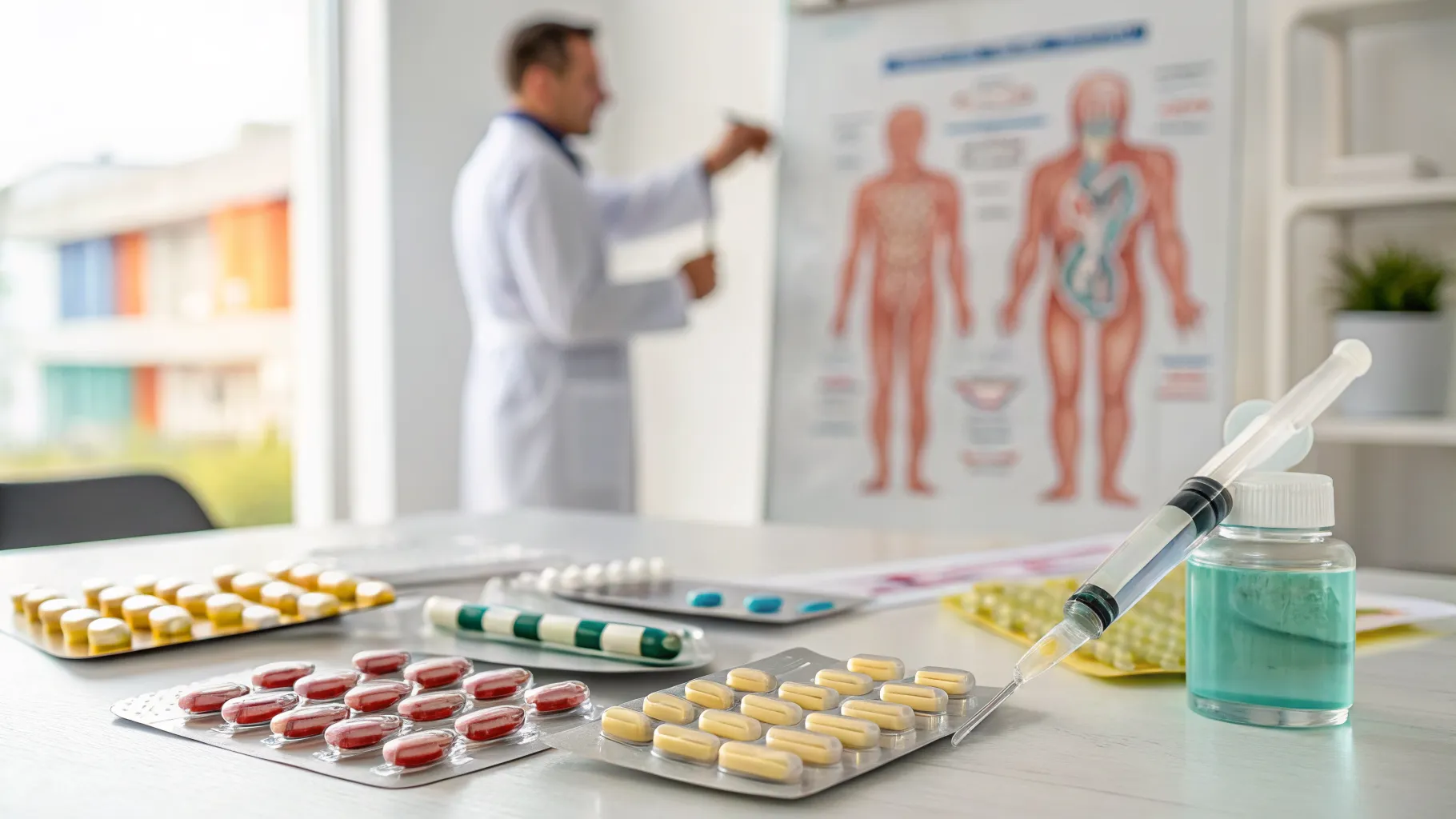
Foundational Colitis Medication: First-Line Therapies
The initial step in managing colitis often involves aminosalicylates (5-ASAs). These drugs, including mesalamine, sulfasalazine, and olsalazine, work directly on the lining of the colon to reduce inflammation. They are a cornerstone of ulcerative colitis treatment for mild to moderate cases and are often used for long-term maintenance to prevent flare-ups. Another common first-line approach, particularly during acute flares, is corticosteroids like prednisone. While highly effective at quickly suppressing inflammation, they are generally used for short-term control due to potential side effects with prolonged use. Your gastroenterologist will determine the appropriate colitis medication and dosage based on the severity and location of your inflammation.
Advanced Treatments: Immunomodulators and Biologics
When first-line therapies are insufficient, the next level of colitis treatment options includes immunomodulators and biologics. Immunomodulators, such as azathioprine and methotrexate, work by suppressing the body's immune system to decrease inflammation. They are slower to take effect but can be crucial for maintaining remission and reducing the need for corticosteroids. For more persistent or severe disease, biologics represent a significant advancement. These genetically engineered proteins target specific inflammatory pathways. Anti-TNF agents, for example, block a protein that promotes inflammation. Many patients consider these the best colitis treatment for achieving durable remission and preventing disease progression, fundamentally changing the management of inflammatory bowel disease.
Emerging Therapies: Small Molecules and Targeted Treatments
The landscape of how to treat colitis is continually evolving with the development of small molecule drugs. Unlike large-molecule biologics which are typically injected, these medications are often available in oral form, offering greater convenience. JAK inhibitors are a prominent class of small molecules that work by blocking specific signaling pathways inside immune cells, rapidly reducing the inflammatory response. These targeted therapies provide a valuable alternative for patients who have not responded to or cannot tolerate other treatments. As research progresses, these innovative forms of colitis medication are becoming increasingly integrated into treatment algorithms, offering new hope and more personalized care plans for individuals managing chronic colitis.
Surgical Options for Managing Colitis
In certain situations where medical management is not effective or complications arise, surgery becomes a necessary consideration. For severe, extensive ulcerative colitis, a proctocolectomy—the removal of the colon and rectum—can be a curative procedure. Often, this is followed by the creation of an ileal pouch-anal anastomosis (J-pouch), which allows for the normal passage of stool without the need for a permanent external ostomy bag. While surgery is a significant step, it can dramatically improve the quality of life for those suffering from debilitating symptoms. Discussing the potential for surgical colitis treatment options with your medical team is an important part of understanding the complete spectrum of care available for managing your condition effectively.
Actionable Advice: Lifestyle and Diet to Support Treatment
While medical therapy is paramount, certain lifestyle and dietary adjustments can complement your treatment plan and help manage symptoms. Integrating these strategies can support the overall effectiveness of your chosen ulcerative colitis treatment.
- Dietary Modifications: During a flare-up, a low-residue or low-fiber diet can help reduce cramping and diarrhea. Keeping a food journal can help identify specific trigger foods. Working with a registered dietitian is often the best way to create a nutritional plan that supports your health without causing deficiencies.
- Stress Management: While stress doesn't cause colitis, it can exacerbate symptoms. Incorporating stress-reduction techniques such as mindfulness, meditation, yoga, or regular gentle exercise can be beneficial for your overall well-being and may help manage flare-ups.
- Hydration and Nutrition: Chronic diarrhea can lead to dehydration and nutrient loss. It is crucial to drink plenty of fluids and discuss potential needs for supplements, such as iron, vitamin B12, or vitamin D, with your doctor to support the efficacy of your colitis medication.
- Consistent Medical Adherence: The single most important lifestyle factor is adhering to your prescribed treatment plan. Taking your medications as directed, even when you feel well, is essential for maintaining remission and preventing future flares.
Frequently Asked Questions
What is considered the best colitis treatment for severe cases?
For severe colitis, biologic therapies are often considered the best colitis treatment. These advanced medications target specific inflammatory pathways in the immune system and have shown high efficacy in inducing and maintaining remission in patients who have not responded to conventional therapies.
How long does it take to find the right colitis medication?
Finding the right colitis medication can be a process of trial and adjustment. It may take several weeks or even months to determine if a specific treatment is effective. It requires close collaboration with your gastroenterologist to monitor symptoms, assess response, and adjust the plan as needed.
Are there natural methods for how to treat colitis?
While lifestyle and dietary management can help control symptoms, there are no proven natural cures for colitis. These strategies should be viewed as complementary to, not a replacement for, prescribed medical colitis treatment options. Always consult your doctor before trying new supplements or making significant dietary changes.
References
- Crohn's & Colitis Foundation of America: Medical Management Guidelines
- American College of Gastroenterology: Clinical Guideline for the Management of Ulcerative Colitis
- The New England Journal of Medicine: Advances in Inflammatory Bowel Disease Therapy
- Gastroenterology & Hepatology Journal: Review of Biologic Agents in IBD