A Comprehensive Guide to Treatment Options for Colitis
Facts:
- Colitis affects millions of people globally.
- Personalized medicine is a growing trend for ulcerative colitis treatment.
Navigating Your Path to Colitis Remission and Management
Understanding the various pathways to managing inflammatory bowel disease is the first crucial step toward regaining control over your health. Colitis, particularly ulcerative colitis, presents a unique set of challenges that require a tailored approach. This guide will explore the spectrum of available therapies, helping you comprehend how to treat colitis effectively. From foundational medications to advanced biologics and lifestyle modifications, the goal is to find a sustainable plan that reduces inflammation, manages symptoms, and improves your quality of life. The journey to finding the right ulcerative colitis treatment is a collaborative effort between you and your healthcare provider, focused on achieving long-term remission.
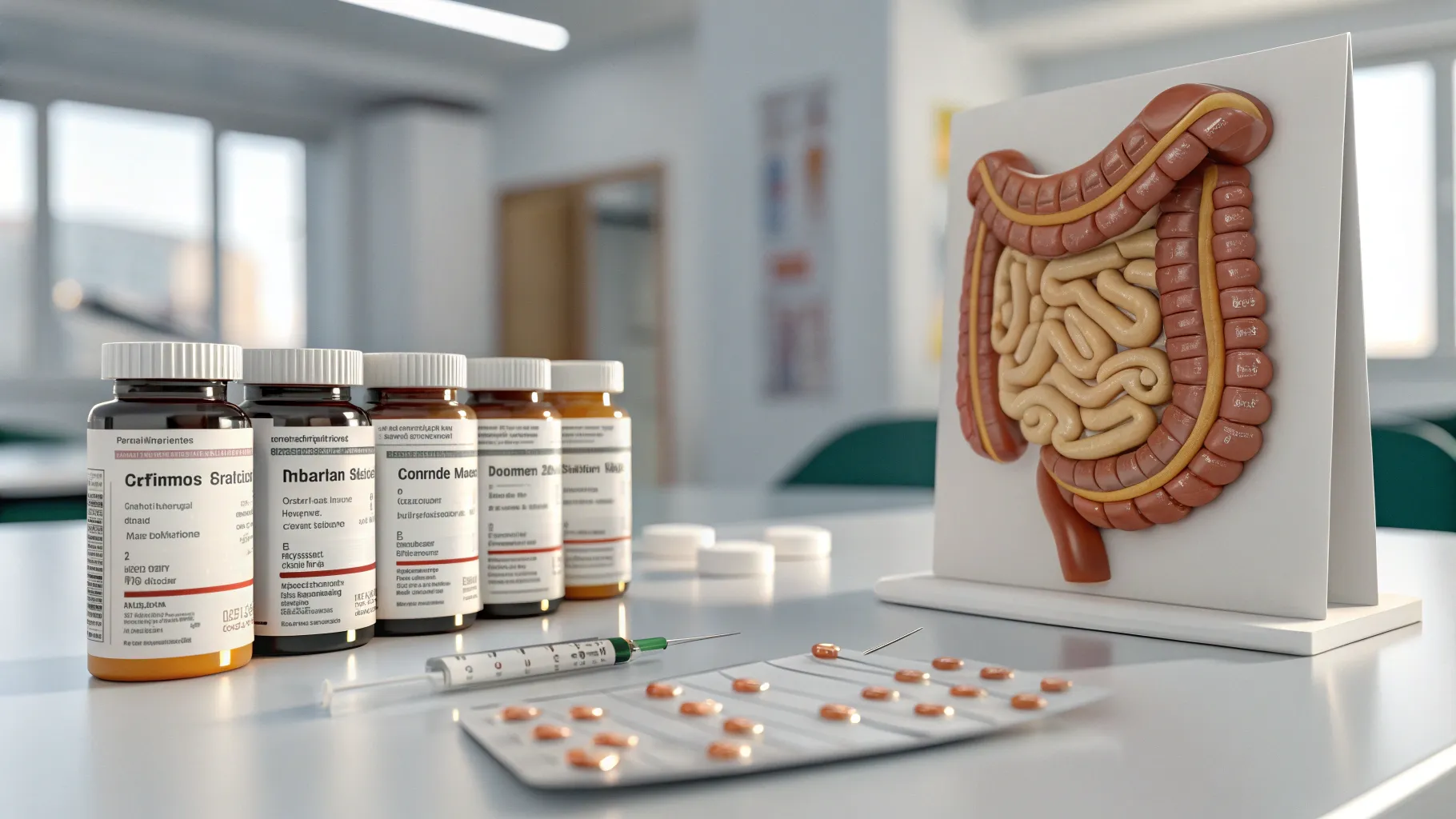
Foundational Colitis Medication Approaches
For many individuals diagnosed with mild to moderate colitis, the initial treatment strategy often involves aminosalicylates, commonly known as 5-ASAs. This class of colitis medication works by reducing inflammation directly in the lining of the colon. They are available in various forms, including oral tablets and rectal therapies like suppositories or enemas, allowing for targeted delivery based on the location of the inflammation. Another cornerstone, particularly for managing flare-ups, is corticosteroids. While highly effective at quickly suppressing the immune response and reducing severe inflammation, they are typically used for short-term control due to potential side effects with long-term use. These foundational colitis treatment options are crucial for establishing initial control over the disease.
Advanced Biologic and Small Molecule Therapies
When foundational treatments are not sufficient, gastroenterologists may recommend advanced therapies. Biologics are a revolutionary class of colitis medication that targets specific proteins in the immune system responsible for causing inflammation. These drugs, such as TNF-alpha inhibitors, are administered via injection or infusion and can induce and maintain remission in patients with moderate to severe disease. More recently, small molecule drugs, like JAK inhibitors, have emerged as a powerful oral option. They work by blocking inflammatory pathways from inside the cells. Determining the best colitis treatment in this category depends on various factors, including the severity of the disease, previous treatment responses, and patient preference, making it a highly personalized decision.
Surgical Interventions for Severe Ulcerative Colitis
In cases where medical management fails to control symptoms or when complications like toxic megacolon or colon cancer arise, surgery becomes a necessary and often life-changing ulcerative colitis treatment. The most common procedure is a proctocolectomy, which involves the removal of the entire colon and rectum. Following this, surgeons can often create an internal pouch from the small intestine (known as a J-pouch) and attach it to the anus, allowing for relatively normal bowel function without the need for a permanent external bag (ostomy). While surgery is a significant step, it can be considered the best colitis treatment for select patients, effectively curing the disease by removing the affected organ and drastically improving their long-term health and well-being.
Lifestyle and Dietary Strategies to Support Treatment
A comprehensive approach to how to treat colitis extends beyond pharmacology. Lifestyle and dietary modifications play a vital supportive role in managing symptoms and improving overall health. While there is no single 'colitis diet,' many patients find relief by identifying and avoiding trigger foods, such as high-fiber items, dairy, or spicy foods, during a flare-up. Working with a registered dietitian can help create a balanced, nutrient-rich eating plan that doesn't exacerbate symptoms. Furthermore, managing stress through techniques like mindfulness, yoga, or therapy can help reduce the frequency and severity of flares, as stress is a known trigger for IBD symptoms. These integrated colitis treatment options empower patients to take an active role in their care.
Actionable Steps for Managing Your Colitis Journey
Taking proactive control is key when navigating your diagnosis. A structured approach can make a significant difference in your treatment outcomes. Here are some actionable steps you can take to better manage your condition and work effectively with your healthcare team to find the most suitable colitis treatment options for you.
- Maintain a Detailed Symptom Journal: Track your daily symptoms, food intake, stress levels, and medication adherence. This data is invaluable for helping you and your doctor identify flare triggers and assess the effectiveness of your current colitis medication.
- Build a Collaborative Healthcare Team: Your team should include a gastroenterologist, a registered dietitian, and potentially a mental health professional. Open communication is essential for developing a holistic plan that addresses all aspects of how to treat colitis.
- Educate Yourself on Your Medications: Understand the purpose, potential side effects, and proper administration of each prescribed medication. Being informed helps you adhere to your ulcerative colitis treatment plan and recognize any issues early on.
- Prepare for Doctor's Appointments: Come to each appointment with a list of questions and your symptom journal. Discuss your treatment goals and any concerns you have about your current plan to find the best colitis treatment for your specific needs.
Frequently Asked Questions
What is the first-line colitis medication usually prescribed?
For mild to moderate ulcerative colitis, the most common first-line medications are aminosalicylates (5-ASAs). They are effective at reducing inflammation in the colon and can be used to both induce and maintain remission. The specific type and delivery method (oral vs. rectal) depend on the location and extent of the inflammation.
How do I know which is the best colitis treatment for me?
The best treatment is highly individual and is determined through a partnership with your gastroenterologist. Factors considered include the severity and location of your colitis, your overall health, previous treatment responses, and your personal preferences. It often involves a process of trying different colitis treatment options to see what works most effectively with the fewest side effects.
Are there permanent colitis treatment options available?
Currently, medical therapies aim to manage colitis and maintain long-term remission, but they are not considered a cure. The only definitive cure for ulcerative colitis is the surgical removal of the colon (colectomy). While a major decision, this surgery can be a permanent solution for those with severe, unmanageable disease or complications.
References
- Crohn's & Colitis Foundation
- American Gastroenterological Association
- National Institute of Diabetes and Digestive and Kidney Diseases
- Clinical Gastroenterology and Hepatology Journal