Transform Your Smile with Dental Implants for Seniors
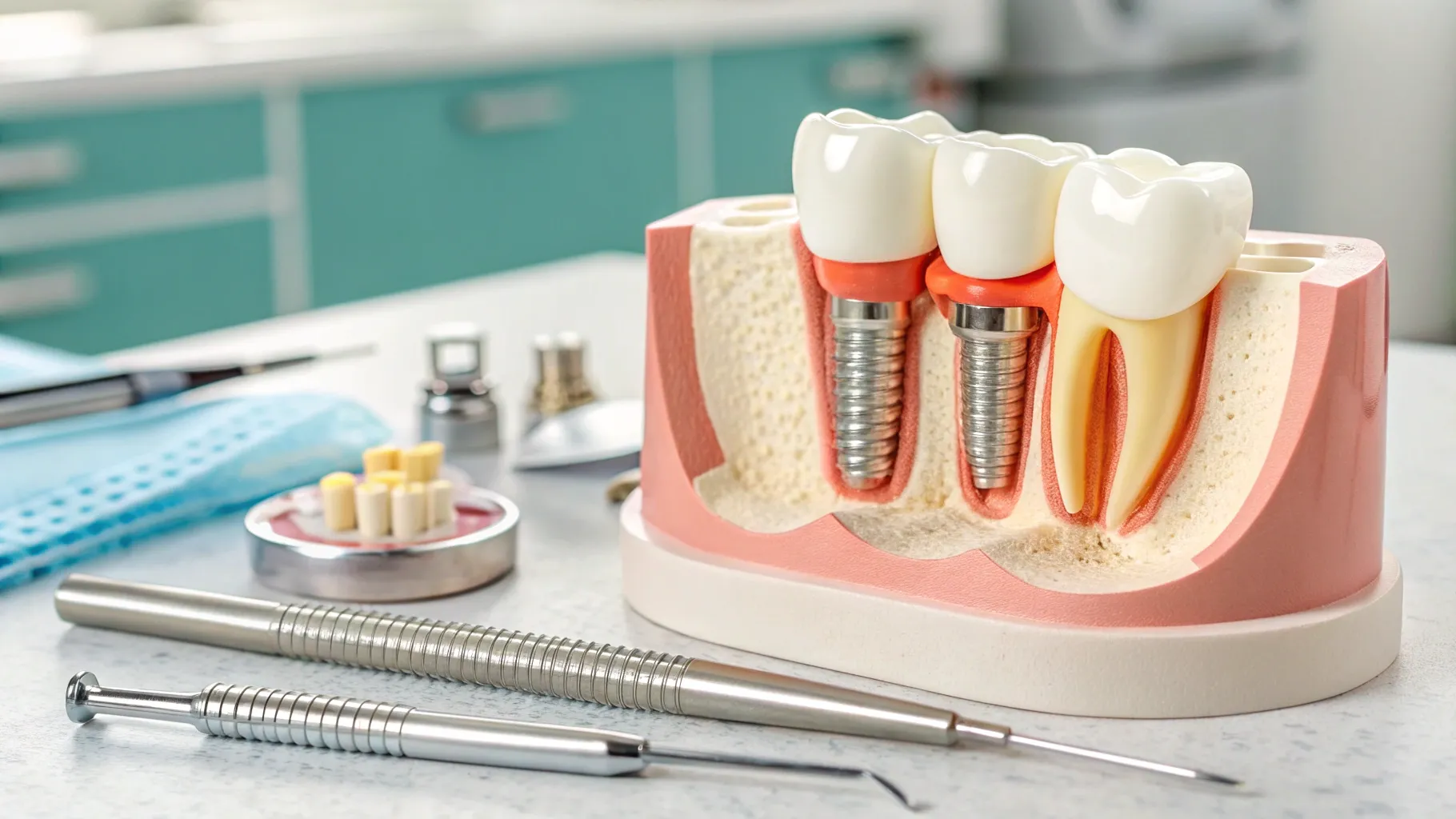
Dental Implants An Overview
Have you ever considered how dental implants could transform your smile and overall oral health? Dental implants have become a leading solution for tooth loss, offering an alternative that feels and looks like natural teeth. In 2025, their popularity has surged, especially among seniors who are seeking effective tooth replacement options that ensure comfort and functionality. Recent statistics indicate that around 3 million people in the United States currently have dental implants, with estimates suggesting this number could increase by 500,000 each year.
What makes dental implants stand apart? Unlike traditional dentures that can slip or cause discomfort, dental implants are securely anchored in the jawbone. They provide a firm foundation for replacement teeth that mimic the feel of natural dentition, so much so that patients often forget they’ve had dental work done. This is particularly appealing to seniors who face the challenges of tooth loss.
The Unique Benefits of Dental Implants for Seniors
Oral health can significantly deteriorate with age, leading many seniors to face the harsh realities of tooth loss. Conventional approaches like dentures may not always address the unique needs of older adults, primarily due to issues such as bone density loss. However, dental implants present a multitude of advantages:
- Enhanced Oral Health: Dental implants preserve the integrity of surrounding teeth and jaw structures. Unlike dentures that rest atop the gums and can lead to further complications, implants fuse with the jawbone to preserve its density.
- Comfort and Ease: No one enjoys the discomfort of ill-fitting dentures. Dental implants feel natural, allowing for improved chewing and speaking without the anxiety of slippage.
- Longevity and Reliability: When cared for properly, dental implants can last a lifetime. This becomes a cost-effective choice compared to the often recurring expenses and maintenance involved with dentures.
In a recent survey, over 90% of seniors who opted for dental implants expressed high satisfaction levels, favoring them over other tooth replacement options. Many reported a remarkable improvement in their quality of life, regaining the confidence to socialize and enjoy a varied diet without restriction.
Steps Involved in the Dental Implant Process
If you're considering dental implants, it's essential to understand the process involved. This multi-step procedure ensures optimal outcomes for patients:
- Initial Consultation: Start with a meeting with a dental specialist. This involves a comprehensive assessment of your oral health, a review of your medical history, and imaging to evaluate jawbone condition.
- Surgical Placement of Implants: During this part of the procedure, a titanium post is carefully inserted into the jawbone. Patients usually receive local anesthesia or sedation, and reports indicate minimal discomfort during the operation.
- Healing Phase: Known as osseointegration, this phase can last several months as the jawbone naturally integrates with the implant, resulting in a robust foundation.
- Abutment Placement: Once healing is complete, an abutment is attached to the implant. This serves as a crucial connector between the implant and the custom-made crown that will ultimately replicate a natural tooth.
- Crown Placement: Finally, a personalized crown is affixed to the abutment, ensuring the replacement tooth looks and functions like a natural one.
The entire process can take anywhere from five to twelve months, depending on factors such as individual healing time and the number of implants required. While some may view this as a lengthy commitment, the long-term benefits far outweigh any temporary inconvenience.
Types of Dental Implants Available
Not all dental implants are created equal, and there are different types available to meet varying patient needs:
- Endosteal Implants: The most prevalent type, placed directly into the jawbone. They are suitable for patients who possess adequate jawbone density.
- Subperiosteal Implants: These are ideal for those lacking sufficient jawbone. Subperiosteal implants consist of a metal framework placed under the gum tissue but on top of the jawbone.
- Zygomatic Implants: Used for patients with significant upper jawbone loss, zygomatic implants anchor into the cheekbone instead of the jaw.
Choosing the right implant depends on your individual dental needs and anatomical requirements. Consulting with a skilled dental professional is crucial to determine the most suitable type for your oral health journey.
Technological advancements are constantly improving dental implant procedures, with innovations such as 3D imaging and guided surgery enhancing precision while reducing recovery times. These developments make dental implants even more accessible and effective for seniors looking to reclaim their smiles.
For seniors contemplating dental implants, evaluating personal health conditions is paramount. While most individuals can safely undergo the procedure, those with specific health issues should consult their healthcare provider to weigh potential risks against benefits.
In summary, dental implants are reshaping the landscape of tooth replacement for seniors and individuals of all ages. With a wealth of benefits that enhance confidence and lifestyle, exploring the world of dental implants can be a life-changing decision. They not only replace missing teeth but also play a crucial role in maintaining oral health and personal well-being.