Unleash Peak Engine Performance with Top-Rated Synthetic Engine Oils
Fast Facts:
- Synthetic oils provide superior engine protection and cleanliness.
- Demand for high-performance motor oils is surging for modern engines.
Unlocking Peak Engine Performance with Advanced Synthetic Lubricants
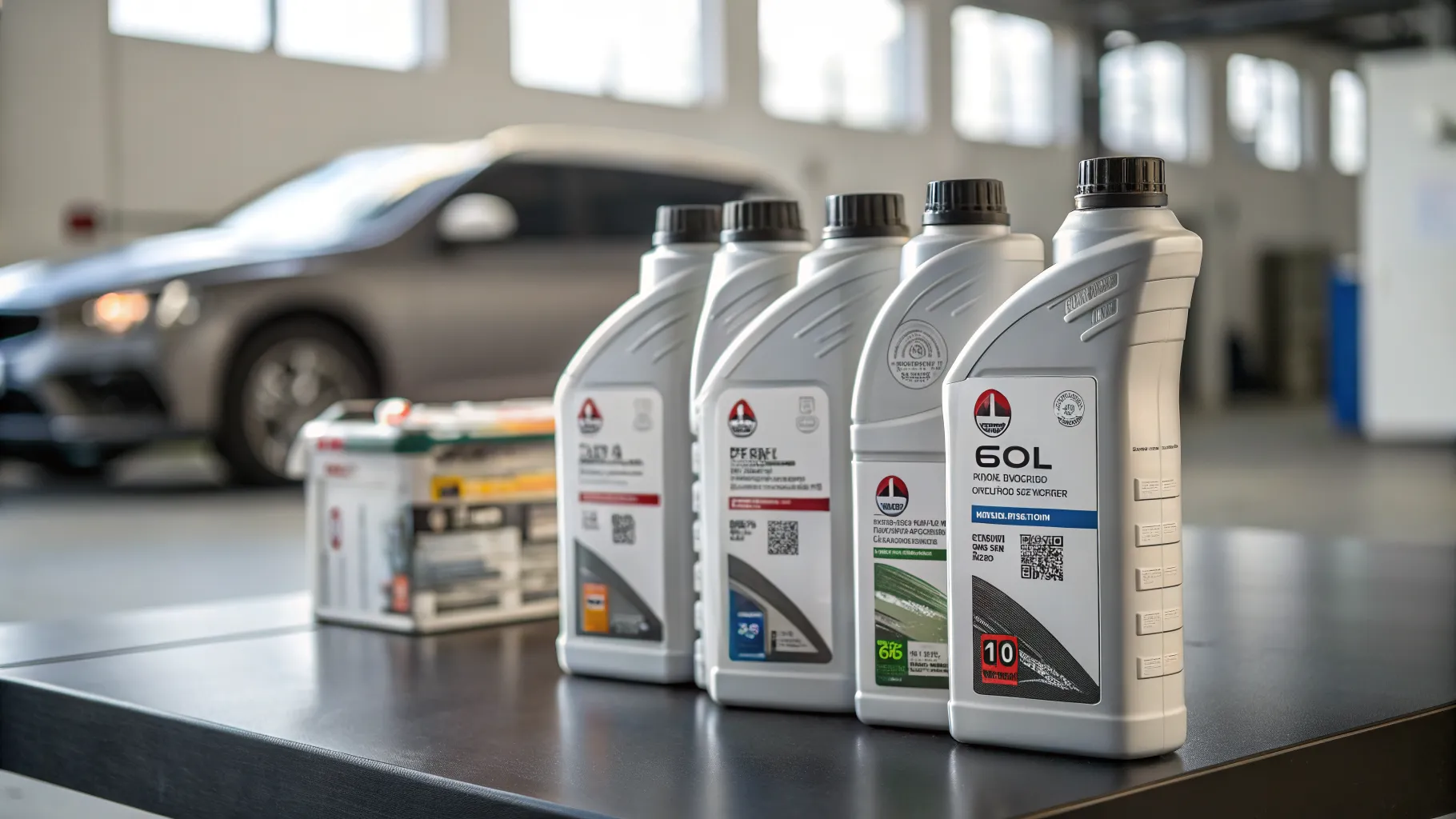
Modern vehicles demand more from their lubrication systems, and the advancements in synthetic engine oil technology have risen to meet these challenges. For drivers seeking to optimize their vehicle's efficiency, power, and overall lifespan, understanding the benefits of top-rated synthetic engine oils for performance is crucial. These advanced lubricants are engineered at a molecular level to offer superior protection against wear, extreme temperatures, and deposits, ultimately enhancing overall engine performance.
Understanding Synthetic Engine Oil Superiority
The core difference between conventional and synthetic engine oil lies in its molecular structure. Conventional oils are refined from crude oil, containing various impurities and uneven molecule sizes. In contrast, synthetic engine oil is a man-made lubricant, meticulously engineered to achieve consistent molecular size and purity. This uniformity contributes significantly to its superior film strength, reduced friction, and enhanced resistance to thermal breakdown. For discerning drivers prioritizing engine performance, this translates into cleaner engines, extended component life, and improved fuel economy, making synthetic options the clear choice for demanding applications.
Key Factors in Choosing Top-Rated Synthetic Engine Oils
Viscosity Grades and Temperature Stability
The viscosity of an engine oil, denoted by its 'W' (winter) rating and hot viscosity number (e.g., 5W-30), is paramount for effective lubrication. Synthetic engine oil excels in viscosity stability, maintaining its flow characteristics across a broader range of temperatures. This means easier cold starts, where oil needs to circulate quickly, and robust film strength at high operating temperatures, preventing metal-to-metal contact and ensuring consistent engine performance. Selecting the correct viscosity grade, as recommended by your vehicle manufacturer, is critical for optimal protection and efficiency.
Additives and Detergency
Beyond the base oil, the additive package plays a vital role in the effectiveness of any lubricant. Advanced lubrication technology in synthetic engine oil includes sophisticated detergents, dispersants, anti-wear agents, and friction modifiers. These additives work in synergy to keep the engine clean by preventing sludge and deposit formation, neutralize acids, and reduce wear on critical engine components. A high-quality additive package is essential for preserving motor oil longevity and ensuring the sustained engine performance of modern, high-precision engines.
API and ACEA Certifications
Certification standards set by organizations like the American Petroleum Institute (API) and the European Automobile Manufacturers' Association (ACEA) are critical indicators of an oil's quality and suitability for specific engines. These certifications confirm that the synthetic engine oil meets rigorous performance requirements, including protection against engine wear, sludge formation, and piston deposits. Always ensure the synthetic engine oil you choose carries the appropriate certifications for your vehicle's make and model to guarantee optimal engine performance and warranty compliance.
The Impact of Synthetic Oils on Motor Oil Longevity and Engine Life
One of the most compelling advantages of synthetic engine oil is its extended drain interval capability and contribution to overall engine life. Due to their inherent resistance to oxidation and thermal breakdown, synthetic oils maintain their protective properties for longer periods compared to conventional oils, enhancing motor oil longevity. This not only reduces the frequency of oil changes but also provides consistent lubrication, minimizing wear and tear on vital engine components over thousands of miles. The result is a prolonged engine lifespan, reduced maintenance costs, and sustained peak engine performance throughout the vehicle's ownership.
Comparing Leading Brands for Optimal Engine Performance
The market for top-rated synthetic engine oils for performance is robust, with several brands offering specialized formulations. Brands like Mobil 1, Castrol EDGE, Pennzoil Platinum, and Royal Purple are often cited for their exceptional quality. Mobil 1, for instance, is renowned for its all-around protection and broad OEM approvals, making it a favorite for diverse vehicle types. Castrol EDGE often focuses on maximizing power and reducing friction in high-performance engines, utilizing its Fluid Titanium Technology. Pennzoil Platinum emphasizes cleanliness, being made from natural gas to produce a pure base oil. Royal Purple is known for its high-performance formulations favored by enthusiasts and in demanding applications, often citing improvements in horsepower and torque. Each of these synthetic engine oil brands leverages unique lubrication technology to cater to specific engine performance needs, from everyday commuting to extreme driving conditions. Understanding the nuances of each brand's offerings allows consumers to make an informed decision tailored to their vehicle's requirements and driving style.
Practical Advice for Maximizing Engine Performance with Synthetic Oils
Choosing the Right Viscosity for Your Climate and Driving Style: Always refer to your vehicle's owner's manual for the recommended oil viscosity. While synthetic engine oil offers excellent viscosity stability, matching it to your engine's design and operating conditions (e.g., extreme cold, towing) is crucial for optimal engine performance.
Understanding Oil Change Intervals and Motor Oil Longevity: While synthetics allow for longer intervals, it's not a license to ignore them indefinitely. Consider your driving habits—frequent short trips, heavy loads, or dusty conditions can necessitate more frequent changes. Regular checks are vital for ensuring good motor oil longevity and engine health.
Monitoring Oil Levels and Condition: Regularly check your oil level and observe its color and consistency. Darkening oil is normal, but a milky appearance or excessive grit could indicate a problem that needs immediate attention. Maintaining the correct oil level is fundamental for consistent engine performance.
Consulting Your Vehicle's Manual: The most authoritative source for oil recommendations remains your car's manufacturer. Adhering to their specifications for synthetic engine oil type, viscosity, and certification ensures your warranty remains valid and your engine receives the precise care it needs for optimal engine performance.
Frequently Asked Questions
What are the primary benefits of using synthetic engine oil?
The main benefits include superior engine protection against wear, better performance in extreme temperatures (both hot and cold), improved fuel economy, enhanced engine cleanliness due to reduced sludge and deposit formation, and extended drain intervals, all contributing to superior engine performance and motor oil longevity.
How often should I change synthetic engine oil?
While synthetic engine oil typically allows for longer oil change intervals than conventional oil, often between 7,500 to 15,000 miles or once a year, it's crucial to follow your vehicle manufacturer's recommendations found in your owner's manual. Driving conditions and habits can also influence the ideal interval.
Can I mix synthetic engine oil with conventional oil?
While technically possible, it is generally not recommended as it can dilute the superior properties of the synthetic engine oil. Mixing them will result in a blend that offers performance somewhere between the two, reducing the full benefits you would get from using 100% synthetic oil and potentially impacting engine performance.
References
- Automotive Lubrication Fundamentals
- Engine Oil Technology and Additives
- Vehicle Manufacturer Maintenance Guides
- API and ACEA Performance Standards
- Independent Automotive Testing Journals