A Comprehensive Guide to Fall Alert Devices for Seniors
Understanding Fall Alert Devices for Seniors
As we age, the risk of falls increases dramatically, making fall alert devices for seniors a vital resource for many households. According to the Centers for Disease Control and Prevention, one in four older adults falls each year in the United States. These falls can lead to severe injuries, including fractures and head trauma. Fortunately, medical alert devices with fall detection have evolved significantly, offering peace of mind for both seniors and their loved ones.
Top Rated Fall Detection Devices in 2025
2025 has seen a surge in technology designed specifically for safety and health monitoring in seniors. With numerous options available, it's essential to identify some of the most recognized and effective fall detection devices. Here, we highlight a few top-rated products based on current reviews and consumer feedback:
- Life Alert: Known for its reliability, Life Alert offers a system that not only alerts loved ones but also has a response team available 24/7. Many users praise its ease of use and effective service.
- Philips Lifeline: This brand is widely recognized for its sleek pendant designs, which are comfortable to wear. Their fall detection technology has garnered positive attention due to its accuracy and user-friendly features.
- Bay Alarm Medical: Bay Alarm provides comprehensive coverage with a mobile option that enables seniors to remain protected even when they are away from home. Their services are well-reviewed for their response times and customer service.
- Apple Watch Series 9: The latest Apple Watch has impressive fall detection capabilities. It automatically alerts emergency contacts if a severe fall is detected, and it also encourages a more active lifestyle with fitness tracking features.
- Alert1: Featuring both in-home and mobile devices, Alert1 is adaptable to the needs of seniors. Their fall detection feature is reputed to be fast and efficient, ensuring prompt assistance.
These products are not just mere gadgets; they represent critical technology that saves lives. Each of these devices has been tested by real users, providing them essential safety while promoting independence. In many ways, they have transformed the manner in which seniors live their daily lives.
Wearable Fall Alert Solutions for the Elderly
In recent months, the concept of wearable fall alert devices has taken on more significance. Wearable technology, especially for older adults, is continually improving. Innovations in design and function mean that these devices are not only more effective but also more appealing to wear. Today, many seniors prefer devices that blend convenience with modern aesthetics.
- Fitness Trackers: Many fitness trackers like those from Fitbit or Garmin now incorporate fall detection features. These devices can seamlessly fit into one’s daily routine while encouraging movement and tracking health metrics.
- Smartwatches: Newer smartwatches, including tech from Samsung and Garmin, provide alerts in case of a fall while also offering health monitoring capabilities, such as heart rate and activity levels.
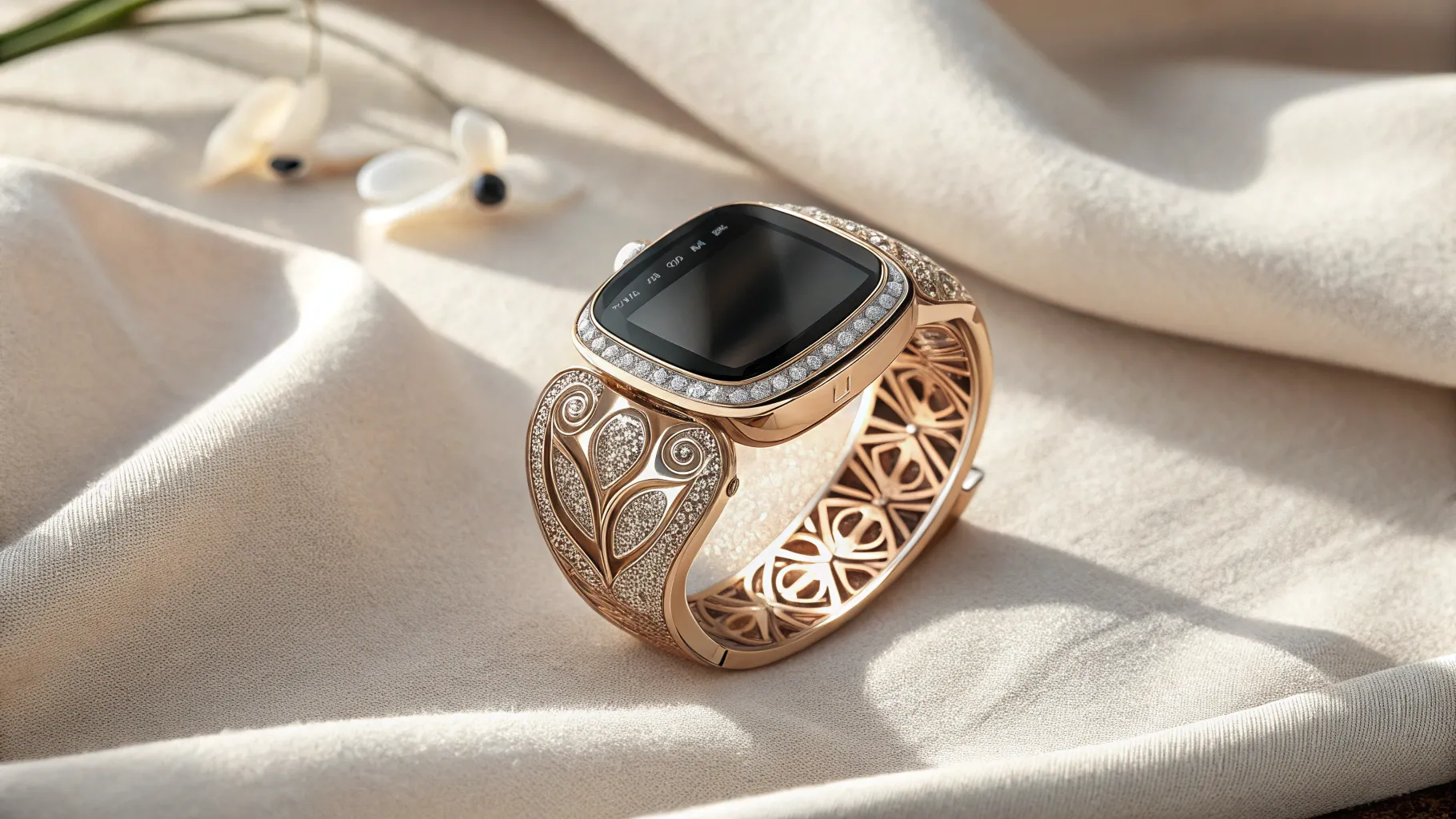
- Jewelry-Based Devices: Brands are now designing fall alert devices to look like fashionable jewelry. This helps to eliminate the stigma associated with traditional alert devices.
Wearable fall alert devices provide familiar, everyday functionality while ensuring safety is prioritized. These advancements demonstrate a keen understanding of the target demographic's lifestyle, leading to higher user adoption rates.
Real-World Impact and Case Studies
A compelling case study from June 2025 illustrates the lifesaving potential of these devices. A 78-year-old woman, Ms. Jenkins, who had been using a Philips Lifeline, fell while gardening in her backyard. Thanks to the immediate alert generated by her device, emergency services were notified within seconds. Ms. Jenkins received prompt medical attention and credited the device with saving her life.
The impact of fall alert devices extends beyond just the individuals who use them. Families share the relief of knowing their loved ones can get help whenever needed. Numerous testimonials reflect similar experiences where users have fallen without anyone around, yet their device had them connected to help instantly, underscoring the critical safety net these devices provide.
Statistics from a national survey conducted earlier this year showed that over 82% of seniors using medical alert devices felt more secure in their homes compared to before they had the device. Furthermore, 70% reported that their families felt increased peace of mind, knowing they could quickly respond in emergencies.
Features to Look for in Fall Alert Devices
When selecting a fall alert device for seniors, it is crucial to consider several features:
- Automatic Fall Detection: Look for devices that automatically detect falls without requiring users to press a button.
- Battery Life: A prolonged battery life ensures that the device is always operational. Look for devices that can last at least 24 hours between charges.
- Water Resistance: Many falls occur in the bathroom, so having a water-resistant device is important.
- Ease of Use: The device should be simple to operate, with clear instructions for emergencies.
- Range of Service: Evaluate whether the device works within the home and outdoors or only in limited areas.
Choosing the right fall alert device is a vital step towards ensuring a secure and empowering lifestyle for seniors. In 2025, with technology continuously evolving, families can take confidence in these tools that fundamentally enhance elder care.
As we move forward, the incorporation of advanced technology into everyday health monitoring will likely continue to expand, offering more effective solutions for fall detection and safety. With the right tools in place, aging in place can be a reality marked by safety, independence, and dignity for seniors.