Unlock Your Car's Secrets: Top-Rated Car Diagnostic Tools and Scanners
Facts:
- Early detection prevents costly repairs.
- The global automotive diagnostic scanner market is projected to grow significantly for vehicle owners.
Navigating the World of Advanced Car Diagnostic Tools and Scanners
Understanding your vehicle's health has never been more crucial. With modern cars becoming increasingly complex, a reliable car diagnostic tool is indispensable for every car owner and mechanic. These devices offer a window into your car's intricate systems, translating cryptic dashboard warnings into actionable insights. From basic OBD2 scanner units to professional-grade automotive diagnostic scanner systems, the right tool can save you time, money, and frustration by accurately identifying issues before they escalate into major problems.
Understanding OBD2 Scanners: Your First Step in Vehicle Diagnostics
The On-Board Diagnostics, or OBD2, system is a standardized port found in all cars manufactured after 1996. An OBD2 scanner connects to this port to read data from the vehicle's Engine Control Unit (ECU). These scanners retrieve Diagnostic Trouble Codes (DTCs), which are specific codes corresponding to issues detected by the car's self-diagnostic system. A basic engine code reader can simply display these codes, allowing you to look them up. More advanced models offer detailed explanations, live data streaming, and even the ability to clear codes and reset the check engine light. Understanding the basics of your car diagnostic tool empowers you to take control of your vehicle's maintenance.
Professional-Grade Automotive Diagnostic Scanners
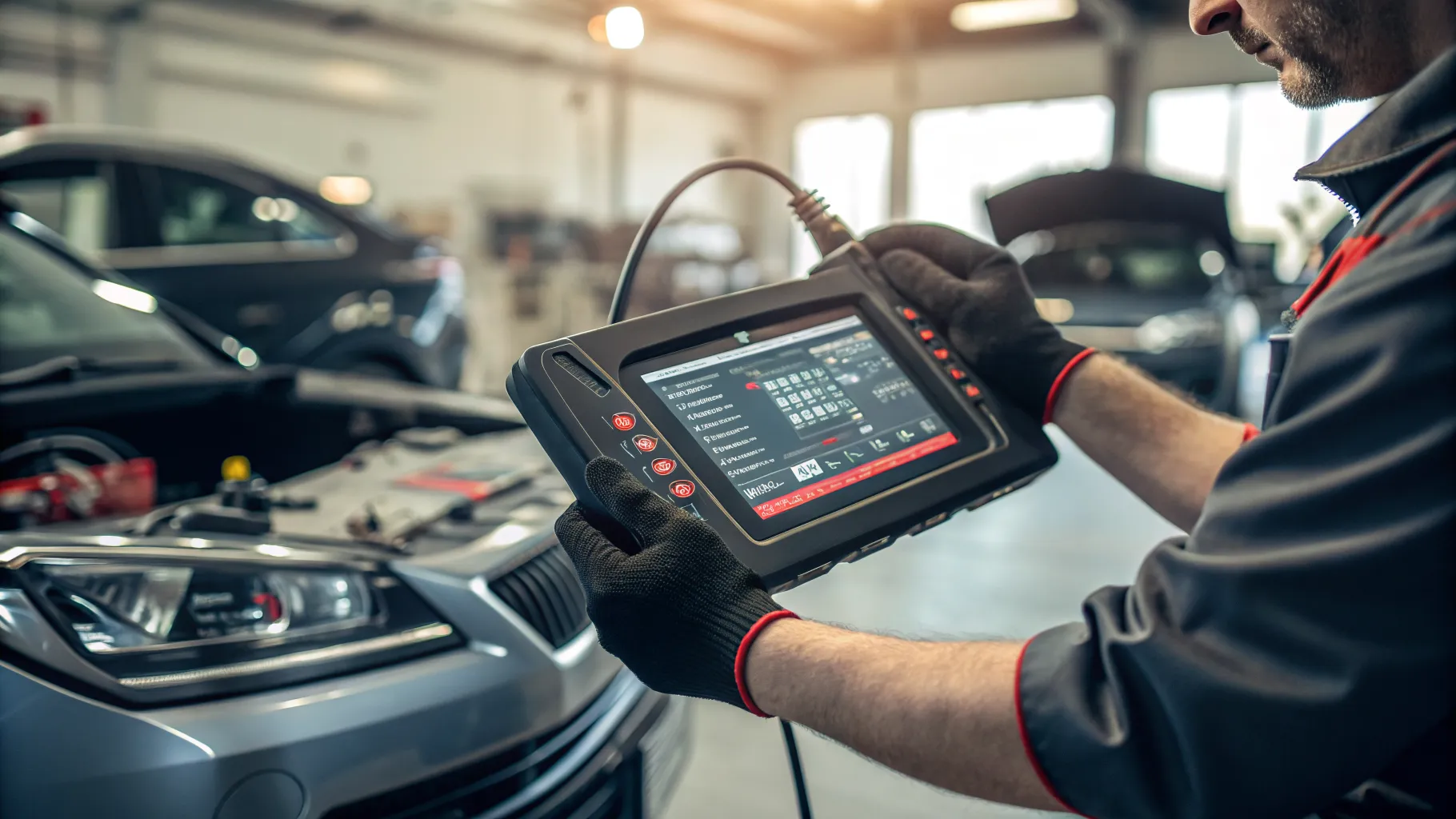
Beyond the standard OBD2 functionality, professional automotive diagnostic scanner devices offer unparalleled depth and breadth of diagnostic capabilities. These sophisticated units can access and diagnose not just the engine, but also transmission, ABS, airbags, TPMS, and other crucial electronic systems. They often feature bi-directional control, allowing mechanics to command components to perform specific functions for testing purposes. Live data graphing, advanced sensor readings, and the ability to perform adaptations and coding make these tools essential for serious repairs and comprehensive vehicle diagnostics. Investing in such a robust car diagnostic tool can significantly reduce trips to the repair shop for complex issues.
Handheld vs. App-Based Car Diagnostic Tools
The market for car diagnostic tool options offers a variety of form factors. Handheld scanners are self-contained units with their own screens and buttons, ranging from simple engine code reader devices to full-fledged professional systems. They are robust, reliable, and don't require external devices. App-based scanners, on the other hand, typically consist of a Bluetooth or Wi-Fi dongle that plugs into the OBD2 port, pairing with a smartphone or tablet application. These offer the convenience of using a familiar interface and often receive regular software updates. The choice depends on user preference, desired features, and budget, with both types offering effective vehicle diagnostics solutions.
Key Features to Look for in an Engine Code Reader
When selecting an engine code reader or a more comprehensive car diagnostic tool, several features are crucial. Look for broad vehicle compatibility, ensuring it works with your specific car make and model. The ability to read and clear various DTCs (generic and manufacturer-specific) is fundamental. Live data streaming allows real-time monitoring of engine parameters, which is invaluable for diagnosing intermittent issues. Freeze frame data captures engine conditions at the moment a fault occurred. I/M readiness status checks if your car is ready for emissions testing. A user-friendly interface and regular software updates enhance the overall utility of any OBD2 scanner.
Maintaining Your Vehicle with Advanced Vehicle Diagnostics
Incorporating an advanced automotive diagnostic scanner into your routine maintenance can profoundly impact your vehicle's longevity and performance. Regular vehicle diagnostics checks can catch minor issues before they escalate into costly repairs, improving fuel efficiency and preventing unexpected breakdowns. For instance, monitoring oxygen sensor readings or fuel trim data can indicate potential issues with the fuel system before a check engine light even appears. An effective car diagnostic tool is not just for fixing problems but for proactive care, helping you understand your car's operational health and make informed maintenance decisions.
Comparing Top Car Diagnostic Tools: What Sets Them Apart?
When evaluating the top-rated car diagnostic tool options, it's essential to understand their distinctions beyond basic functionality. Entry-level OBD2 scanner models typically focus on reading and clearing engine codes, making them ideal for casual users and DIY enthusiasts tackling basic issues. These tools prioritize simplicity and cost-effectiveness. In contrast, mid-range devices, often still categorized as an advanced engine code reader, expand into live data display, freeze frame data, and sometimes basic ABS/SRS readings. They offer a greater balance between price and capability. Professional-grade automotive diagnostic scanner systems stand apart with their multi-system coverage, bi-directional controls, coding capabilities, and extensive vehicle-specific software. These tools are designed for comprehensive workshop use, providing deep insights and control over nearly every electronic module in a vehicle. Their advanced diagnostic algorithms and extensive databases allow for more precise fault identification and faster, more accurate repairs, making them invaluable for complex vehicle diagnostics scenarios.
Choosing the Right Car Diagnostic Tool for Your Needs
- Assess Your Skill Level: If you're a beginner, a simple OBD2 scanner is a great start. Experienced DIYers or professionals will benefit from a more advanced automotive diagnostic scanner with extensive features and bi-directional controls.
- Consider Vehicle Compatibility: Ensure the car diagnostic tool supports your specific vehicle makes and models. Some tools offer broader coverage than others, especially for manufacturer-specific codes and functions.
- Evaluate Desired Features: Decide if you need just an engine code reader or if you require live data streaming, ABS/SRS diagnostics, battery tests, or advanced functions like coding and adaptations. Prioritize features that align with your typical diagnostic needs.
- Set a Budget: Prices for car diagnostic tool devices vary widely. Basic scanners are affordable, while professional units can be a significant investment. Determine what you're willing to spend based on your usage frequency and diagnostic requirements.
- Read Reviews and Research: Before purchasing, consult user reviews and expert comparisons to understand the reliability, ease of use, and overall performance of different vehicle diagnostics tools. Look for evidence of good customer support and regular software updates.
Frequently Asked Questions
What is an OBD2 scanner and how does it work?
An OBD2 scanner is an electronic device that connects to your car's On-Board Diagnostics II port to read data from the vehicle's computer. It retrieves Diagnostic Trouble Codes (DTCs), live sensor data, and other information to help diagnose engine and system faults.
Can a car diagnostic tool clear trouble codes?
Yes, most car diagnostic tool devices, including many basic engine code reader models, have the functionality to clear Diagnostic Trouble Codes (DTCs) and turn off the check engine light once the underlying issue has been resolved.
How often should I use an automotive diagnostic scanner?
You should use an automotive diagnostic scanner whenever a warning light appears on your dashboard, such as the check engine light. Additionally, performing periodic vehicle diagnostics checks, even without warning lights, can help identify potential issues early and contribute to preventative maintenance.
References
- Automotive Industry Reports on Diagnostic Tools
- Vehicle Maintenance Best Practices Guides
- Technical Manuals for OBD2 Systems