Top Glucose Monitoring Smartwatches for Seniors in 2025
Understanding Glucose Monitoring Smartwatches
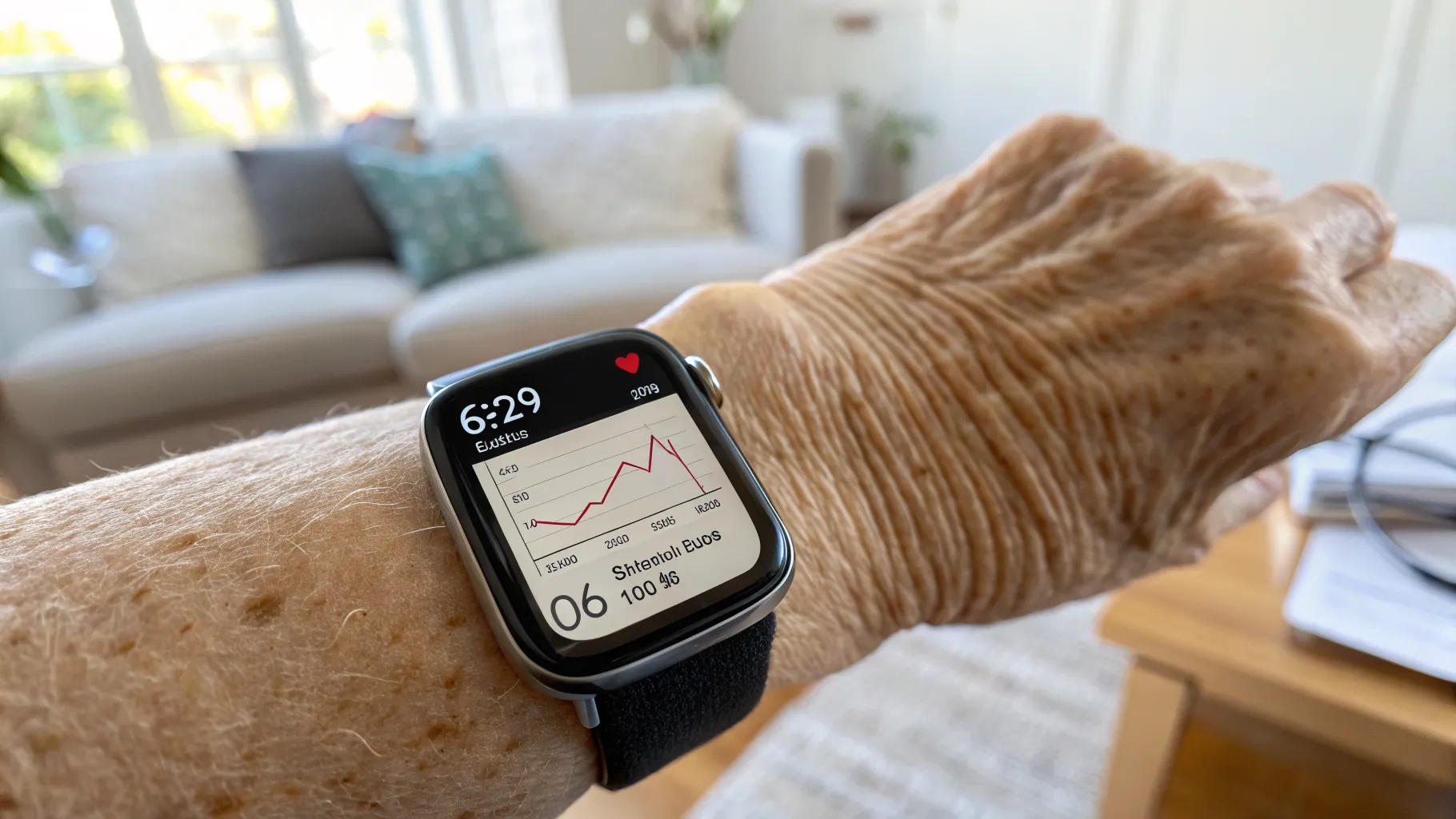
In today's tech-driven world, managing health, especially for seniors, has never been easier. As of 2025, glucose monitoring smartwatches have emerged as invaluable tools for those with diabetes or those looking to track their blood sugar levels proactively. These wearables not only keep users informed about their glucose levels but also enable them to take charge of their health through seamless monitoring and data analysis.
Features of Glucose Monitoring Smartwatches
The right smartwatch can be a game-changer for seniors managing diabetes. Let's dive into some critical features that make these devices essential:
- Continuous Glucose Monitoring (CGM): Many modern glucose monitoring smartwatches incorporate CGM technology. This means they provide real-time glucose levels without the need for frequent finger pricks. The device uses sensors placed just under the skin, allowing seniors to monitor their levels effortlessly.
- Alerts for Abnormal Levels: Smartwatches can send alerts if glucose levels drop too low or spike too high. This feature is especially beneficial for seniors who might not feel the symptoms of hypoglycemia or hyperglycemia.
- Integration with Health Apps: Numerous smartwatches now come equipped with companion apps that help track not just glucose but also other health metrics. This integration offers a holistic view of a user's health, aiding in better decision-making.
- User-Friendly Interfaces: Senior-friendly designs with large displays, intuitive navigation, and voice commands ensure that individuals of all tech-savviness levels can use these devices without frustration.
- Activity Tracking: Smartwatches also track physical activity, sleep patterns, and heart rate, providing valuable insights into how these factors affect blood sugar levels. Regular activity can help stabilize glucose levels, which is crucial for anyone managing diabetes.
For instance, the GlucoTrack Pro, a leading glucose monitoring smartwatch launched in early 2025, features a sleek design with advanced lightweight materials. Its battery lasts up to ten days on a single charge while offering multiple color options to suit personal styles. Users have reported seamless integration with health apps, allowing them to view daily trends in their glucose levels alongside physical activity.
According to a recent survey conducted in late 2024 by the American Diabetes Association, nearly 65% of seniors over 60 expressed interest in using wearable technology for better diabetes management. This statistic highlights the growing acceptance and need for such innovations within the older population.
How These Devices Handle Glucose Sensors
Understanding smartwatch glucose sensors is crucial for users. These devices typically utilize a combination of enzymatic and optical sensors that measure glucose levels in interstitial fluid. This non-invasive method is less painful, making it particularly attractive for seniors wary of frequent needle sticks.
One prominent example is the GloWatch, which features a patented biosensor technology that provides accurate readings with minimal calibration. Users appreciate that this watch adjusts itself based on factors like hydration and has a built-in artificial intelligence assistant to offer dietary tips based on recent glucose readings.
To underscore the effectiveness of glucose monitoring smartwatches, a clinical study in January 2025 published in the Journal of Diabetes Technology demonstrated that participants who used these wearables kept their blood sugar levels within target ranges 30% more consistently than those relying on traditional monitoring methods alone.
Furthermore, the incorporation of machine learning algorithms allows these smartwatches to analyze historical data, providing personalized insights. For example, if a user finds that their glucose levels typically rise after consuming certain foods, the smartwatch can suggest healthier alternatives or portion sizes.
Choosing the Right Smartwatch for Seniors
When selecting a glucose monitoring smartwatch for seniors, several factors come into play:
- Comfort and Fit: Ensure the smartwatch fits comfortably on the wrist. Many brands offer adjustable bands that can accommodate varying wrist sizes.
- Battery Life: Longer battery life is essential. It prevents having to charge frequently, which can be a hassle for older users.
- Emergency Features: Some smartwatches now come equipped with emergency features, enabling quick communication with family members or health services in case of severe glucose incidents.
- Price and Warranty: While several advanced models are available, it's wise to consider the price point and warranty terms. Many brands also offer subscription models for continuous updates or additional features.
The market continues to evolve, with many brands, including Apple, Fitbit, and specialized healthcare companies, racing to offer advanced tracking features integrated into smartwatches. For instance, the Fitbit Sense 3, released recently, has garnered praise for its accurate readings and robust health tracking features.
Seniors are discovering that these devices do more than just show time or send notifications. They empower users to take control of their health and actively participate in their wellbeing journey. Healthcare professionals even encourage integrating wearables into daily routines to promote better diabetic management.
Final Thoughts
In an era where technology plays a pivotal role in healthcare, glucose monitoring smartwatches are leading the charge, especially for seniors managing diabetes. With features that enhance usability, integrate with existing health data systems, and employ innovative sensor technology, these wearables represent a significant advancement in personal health management.
As we move forward, the focus will remain on creating more accessible, user-friendly technologies that will continue to empower seniors and support them in living healthier lives. The adoption and innovation in glucose tracking smartwatches are just the beginning of a larger trend towards wearable health technologies.