Top Fatty Liver Preventing Foods for a Healthier You
Fast Facts:
- Benefit: A diet rich in antioxidants helps reduce liver inflammation.
- Focusing on whole foods is key for individuals managing liver health.
Key Information & Options
Understanding how to protect your liver is crucial for long-term well-being. Adopting a diet centered around fatty liver preventing foods is one of the most effective strategies you can implement. This approach focuses on nutrient-dense ingredients that actively support liver function and help reduce fat accumulation, promoting overall metabolic health.
Key Benefits
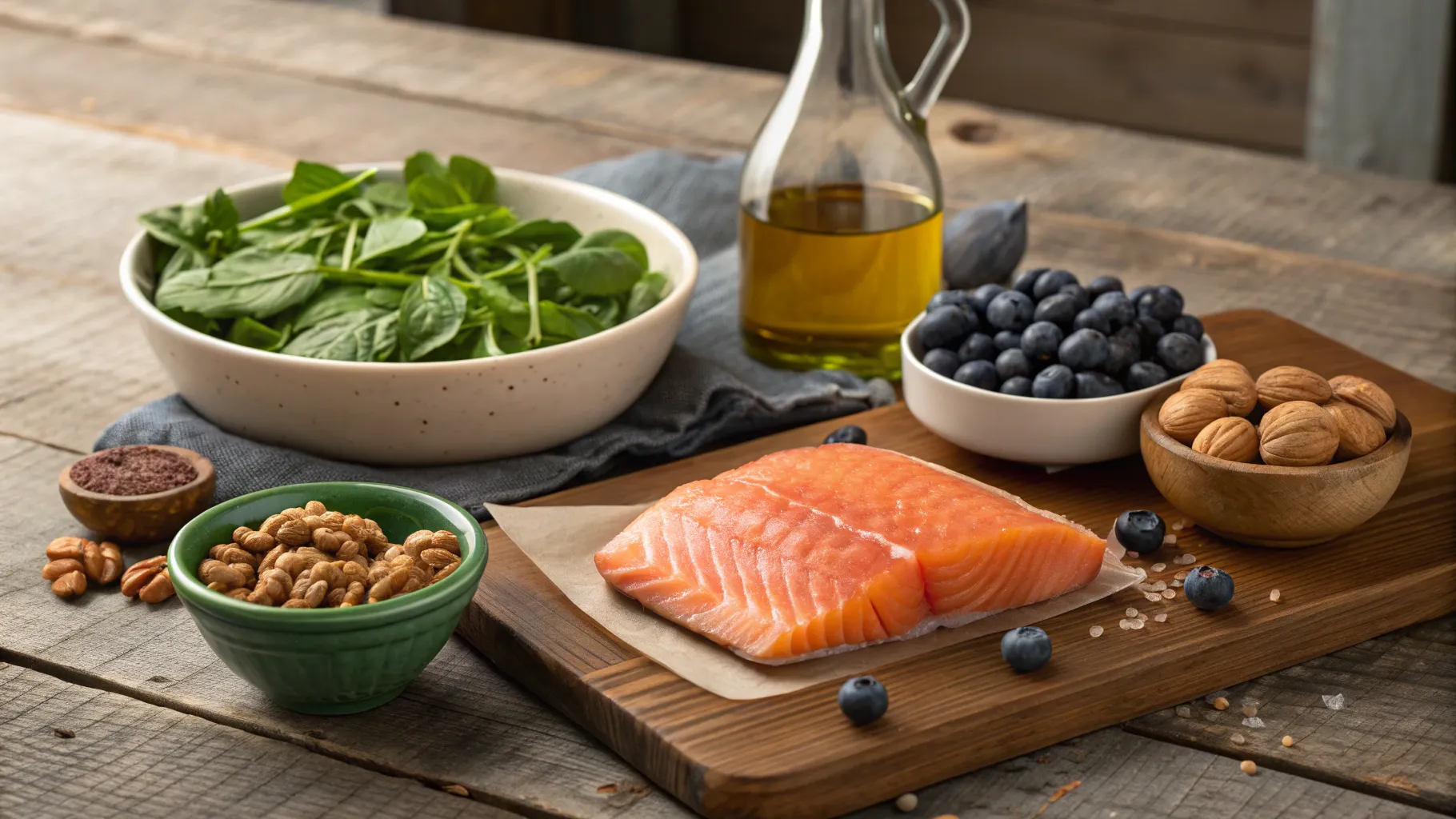
- Reduces Liver Inflammation: Foods like fatty fish, olive oil, and nuts are rich in omega-3s and healthy fats that combat inflammation within the liver.
- Promotes Natural Detoxification: Cruciferous vegetables such as broccoli and cauliflower support the liver's natural detoxification pathways, helping to eliminate harmful substances.
- Improves Insulin Sensitivity: A diet low in processed sugars and refined carbohydrates is a cornerstone of **foods for liver wellness**, as it helps prevent the fat buildup associated with insulin resistance.
- Provides Antioxidant Protection: Berries, green tea, and coffee offer powerful antioxidants that shield liver cells from damage caused by free radicals.
When comparing a liver-supportive diet to a typical Western diet, the differences are stark. The former emphasizes whole foods, healthy fats, and lean proteins that actively reduce liver fat. In contrast, the Western diet, high in saturated fats, sugar, and processed ingredients, is a primary driver of fat accumulation, highlighting the importance of **healthy eating for liver awareness** and understanding **liver friendly diet basics**.
Essential Liver-Friendly Diet Checklist
- Leafy Greens: Spinach, kale, and arugula.
- Fatty Fish: Salmon, sardines, and mackerel.
- Nuts and Seeds: Walnuts, almonds, and flaxseeds.
- Healthy Oils: Extra virgin olive oil.
- Fruits: Berries, grapefruit, and avocado.
- Vegetables: Broccoli, garlic, and beets.
- Beverages: Unsweetened coffee and green tea.
- Legumes: Lentils, chickpeas, and beans.
Frequently Asked Questions
What is the fastest way to reduce fatty liver?
While there's no instant fix, consistently adopting a diet rich in fatty liver preventing foods, increasing physical activity, and limiting alcohol intake are the most effective strategies for significant improvement over several weeks and months.
Is coffee good for a fatty liver?
Yes, multiple studies suggest that regular, moderate consumption of unsweetened coffee is associated with a lower risk of liver disease progression, including fibrosis. The antioxidants in coffee help protect liver cells from damage.
Which foods are considered the worst for a fatty liver?
Foods high in added sugar (like sodas and candy), refined carbohydrates (white bread), saturated fats (fried foods, red meat), and alcohol are particularly detrimental and can accelerate fat buildup in the liver. These are the opposite of **foods linked to liver health**.
References
- Journal of Hepatology: Dietary Interventions for NAFLD.
- The New England Journal of Medicine: Lifestyle Modification in NAFLD.
- American Liver Foundation: Diet, Exercise, and Your Liver.