Top Cancer Preventing Foods: A Guide to a Healthier Diet
Fast Facts:
- Potent Antioxidants: Berries and leafy greens fight cell damage.
- A key trend for Health-Conscious Adults.
Key Information & Options
Adopting a diet rich in specific nutrients is a proactive step towards better health and reducing cancer risk. Understanding the science behind cancer preventing foods is crucial for making informed choices that support your body's natural defenses. This guide explores the most powerful ingredients you can add to your plate to promote long-term vitality and wellness through mindful nutrition.
Key Benefits of Anti-Cancer Foods
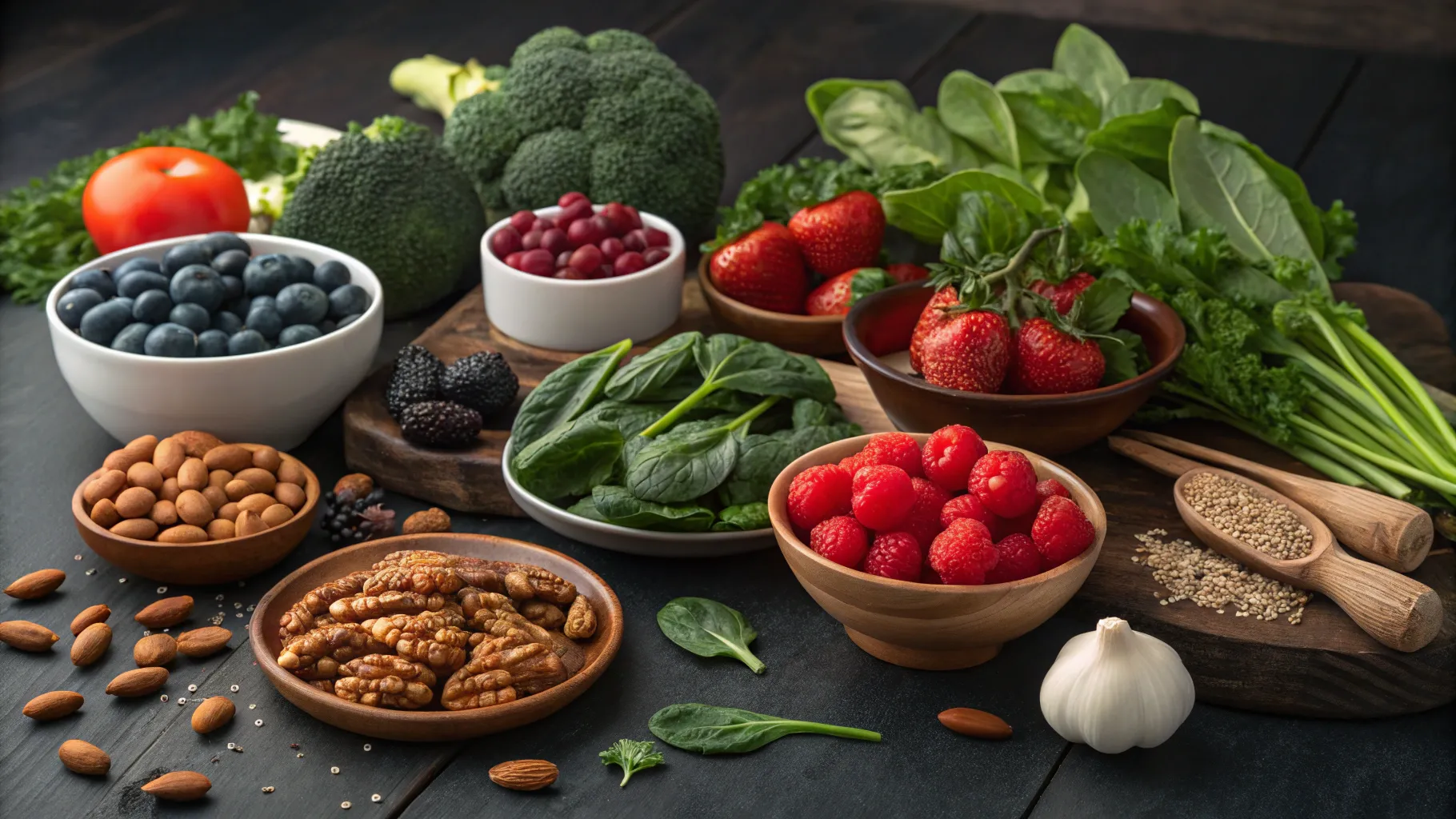
- Antioxidant Power: Foods like blueberries, spinach, and walnuts are packed with antioxidants that neutralize harmful free radicals before they can damage cells.
- Anti-Inflammatory Properties: Turmeric, ginger, and fatty fish help reduce chronic inflammation, a known risk factor for cancer development.
- Enhanced Bodily Functions: Incorporating these ingredients supports many of our body's systems, making them excellent foods linked to overall wellness.
- Fiber-Rich for Gut Health: Whole grains, legumes, and vegetables provide essential fiber, which may lower the risk of colorectal cancer by promoting digestive regularity.
The Top 10 Cancer-Fighting Foods
While no single food can guarantee cancer prevention, incorporating a variety of nutrient-dense options into your diet is a powerful strategy. Here are some of the top 10 cancer preventing foods recognized by researchers for their protective properties:
- Berries: Rich in anthocyanins and antioxidants.
- Cruciferous Vegetables: Broccoli, cauliflower, and kale contain sulforaphane.
- Leafy Green Vegetables: Spinach and romaine lettuce are excellent sources of folate and carotenoids.
- Tomatoes: High in lycopene, an antioxidant linked to lower prostate cancer risk.
- Nuts and Seeds: Walnuts and flaxseeds provide omega-3 fatty acids.
- Garlic and Onions: Contain allium compounds with anti-cancer effects.
- Turmeric: Its active compound, curcumin, has strong anti-inflammatory properties.
- Fatty Fish: Salmon and mackerel are high in vitamin D and omega-3s.
- Green Tea: Contains catechins that may protect cells from DNA damage.
- Whole Grains: High in fiber, which supports digestive health.
Essential Checklist for Healthy Eating Patterns
- Aim for at least five servings of a variety of fruits and vegetables daily.
- Choose whole grains like oats, quinoa, and brown rice over refined grains.
- Limit consumption of processed meats and moderate your intake of red meat.
- Incorporate healthy fats from sources like avocados, nuts, and olive oil.
- Stay well-hydrated by drinking plenty of water throughout the day.
- Maintain a healthy weight through a balance of nutritious food and regular physical activity.
Frequently Asked Questions
Can diet alone prevent cancer?
While a healthy diet is a critical component, it cannot guarantee cancer prevention. It significantly reduces risk when combined with other lifestyle factors like exercise, avoiding tobacco, and limiting alcohol. Adhering to healthy eating patterns is a key part of a comprehensive prevention strategy.
Are organic foods better for cancer prevention?
The primary benefit comes from the nutrients within the foods themselves, regardless of whether they are organic or conventionally grown. The most important factor for cancer risk reduction is increasing your overall intake of fruits, vegetables, and whole grains.
What is the role of supplements in cancer prevention?
It is generally recommended to get nutrients from whole foods rather than supplements. High-dose supplements can sometimes be ineffective or even harmful. Always consult a healthcare provider before starting any supplement regimen as part of your nutrition and cancer awareness plan.
References
- National Cancer Institute (NCI) - Diet and Cancer Prevention
- American Institute for Cancer Research (AICR) - Food, Nutrition, Physical Activity, and the Prevention of Cancer
- World Health Organization (WHO) - Cancer Prevention Guidelines