Top 5 Autoimmune Diseases and Their Symptoms Explained
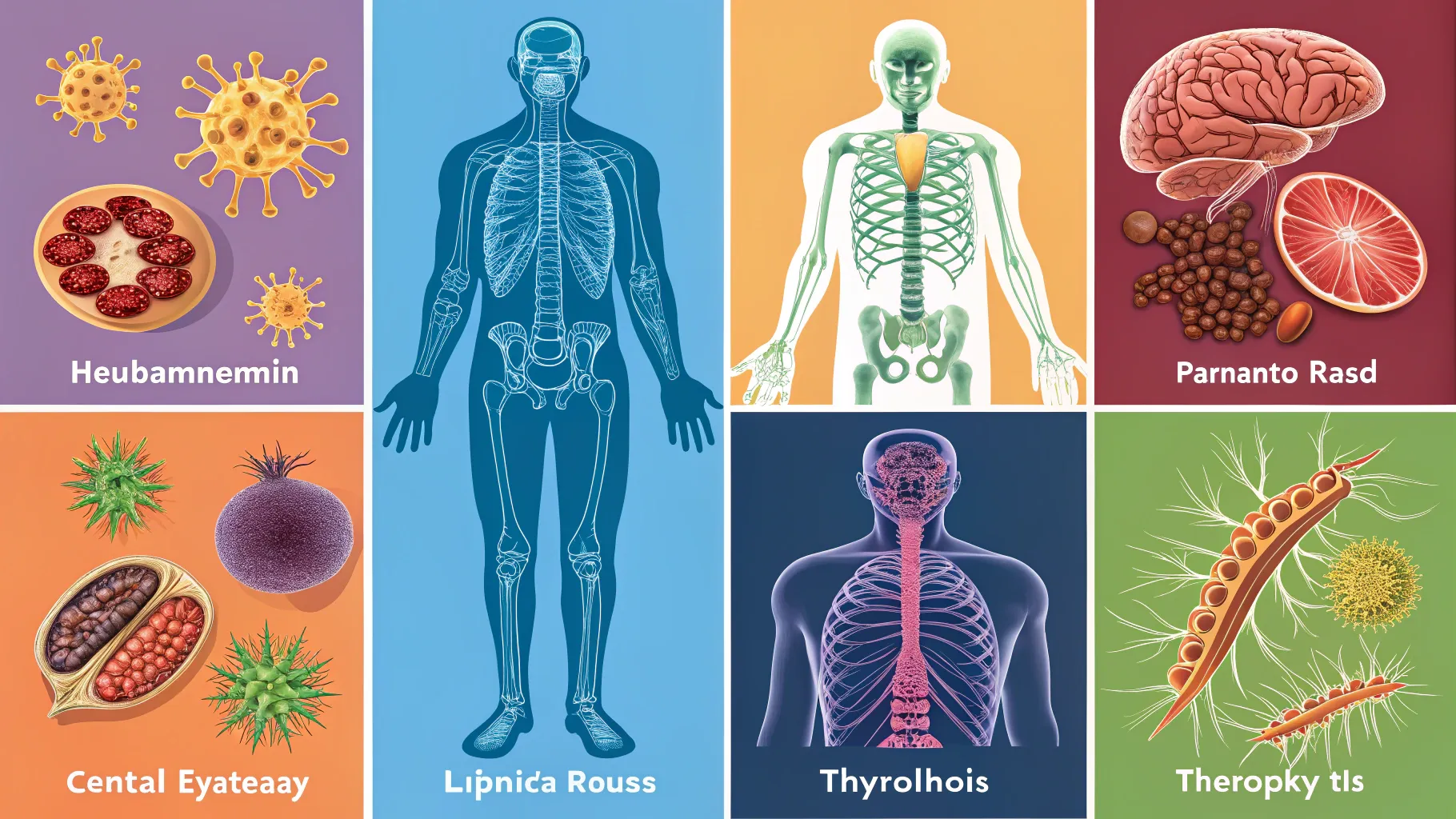
Exploring Autoimmune Diseases and Symptoms
Autoimmune diseases are increasingly recognized as a major health issue affecting millions across the globe. In recent years, researchers have made significant strides in understanding these complex disorders where the immune system mistakenly targets healthy cells. With the rise in diagnoses, understanding common autoimmune diseases and their symptoms is vital for early intervention and effective management. This article dives deep into five prevalent autoimmune diseases, highlighting their symptoms and the importance of awareness in 2025.
1. Rheumatoid Arthritis
Rheumatoid arthritis (RA) stands as one of the most common autoimmune diseases, impacting nearly 1.5 million individuals in the United States today. This debilitating condition primarily affects the joints, leading to painful inflammation, swelling, and if untreated, significant joint damage.
- Symptoms: The hallmark symptoms of RA include persistent joint pain, morning stiffness lasting longer than one hour, fatigue, and fever. Many individuals develop rheumatoid nodules—painless lumps that form near affected joints or on pressure points of the body, contributing to lifestyle limitations.
The pattern of occasional flare-ups followed by periods of remission makes RA management challenging. Patients often find relief through lifestyle modifications, physical therapy, and medications such as disease-modifying antirheumatic drugs (DMARDs). It's essential for those diagnosed to work closely with healthcare professionals to tailor a management plan that minimizes damage and improves overall quality of life.
2. Lupus
Lupus, particularly systemic lupus erythematosus (SLE), is a multifaceted autoimmune disease that causes inflammation throughout various organ systems. Currently, it's estimated that around 200,000 individuals in the U.S. are living with lupus.
- Symptoms: Symptoms of lupus can be extremely variable; many experience a distinctive butterfly rash across their cheeks and nose, along with symptoms like joint pain, severe fatigue, sensitivity to light, and sometimes organ failure. The nature of the disease often leads to "flares"—periods of exacerbation interspersed with moments of relative calm.
Managing lupus effectively requires an integrated approach, including sun protection measures and anti-inflammatory medications. Staying attuned to triggers and employing proactive symptom management can significantly enhance the lives of those navigating this unpredictable condition.
3. Multiple Sclerosis
Multiple sclerosis (MS) presents another challenging autoimmune disorder affecting many today; roughly 1 million people in the U.S. are currently diagnosed with MS. This condition uniquely targets the central nervous system, as the immune system erroneously attacks myelin—the protective covering of nerves.
- Symptoms: Individuals with MS face a diverse array of symptoms including blurred vision, involuntary muscle spasms, balance issues, fatigue, cognitive difficulties, and in severe cases, paralysis. Symptoms generally fluctuate, leading to periods known as relapses followed by remissions.
Innovative advances in MS treatments are now aiding many in sustaining a good quality of life. These treatments, which include medications designed to slow disease progression and manage symptoms, continue to evolve, offering hope to people living with this condition.
4. Type 1 Diabetes
Type 1 diabetes (T1D) represents an autoimmune disorder where the immune system attacks insulin-producing beta cells in the pancreas. This condition primarily impacts children and young adults, although it can manifest at any age. As of now, approximately 1.6 million Americans live with T1D.
- Symptoms: The classic symptoms of Type 1 diabetes include excessive thirst, frequent urination, extreme fatigue, blurred vision, and unexpected weight loss. Without proper management, individuals can experience serious, life-threatening complications such as diabetic ketoacidosis, which is linked to high blood sugar levels.
To navigate life with Type 1 diabetes, individuals rely on lifelong insulin therapy and ongoing blood sugar monitoring. The development of smart insulin pens and continuous glucose monitoring systems has transformed self-management, providing patients with the tools they need for effective diabetes control.
5. Hashimoto’s Thyroiditis
Hashimoto's thyroiditis, a prevalent autoimmune condition affecting the thyroid gland, results in hypothyroidism due to the gradual destruction of thyroid tissue. Approximately 14 million people in the U.S. have been diagnosed with this disorder.
- Symptoms: Symptoms associated with Hashimoto’s can develop insidiously over time, often including fatigue, weight gain, intolerance to cold, constipation, dry skin, and sometimes depression. Because symptoms manifest slowly, it is crucial for individuals to remain vigilant about their health changes.
The primary treatment for Hashimoto's thyroiditis involves thyroid hormone replacement therapy, which effectively alleviates symptoms. Regular monitoring of hormone levels allows healthcare providers to adjust treatment accordingly, ensuring optimal management for each patient.
The Importance of Awareness About Autoimmune Diseases
Raising awareness about autoimmune diseases and their symptoms is essential for patients, families, and healthcare providers alike. Timely recognition of symptoms can lead to improved quality of life and a reduction in severe complications. As we continue navigating the landscape of autoimmune research and treatments in 2025, staying informed and connected is more crucial than ever.
With an increasing emphasis on holistic and patient-centered care, individuals living with autoimmune conditions benefit from greater access to information, resources, and community support. Recognizing early signs and symptoms paves the way for earlier interventions, improving outcomes. Shared experiences through local support groups and online forums create a sense of community, helping patients feel less isolated on their journey.
In summary, the world of autoimmune diseases is one filled with challenges, but through improved understanding and awareness, those affected can seek appropriate medical attention and engage in proactive management strategies. Whether it’s through medication, lifestyle changes, or community support, individuals facing these complex but manageable conditions can look forward to a hopeful future.