Top 10 Vitamins for Immune Health This Winter Season
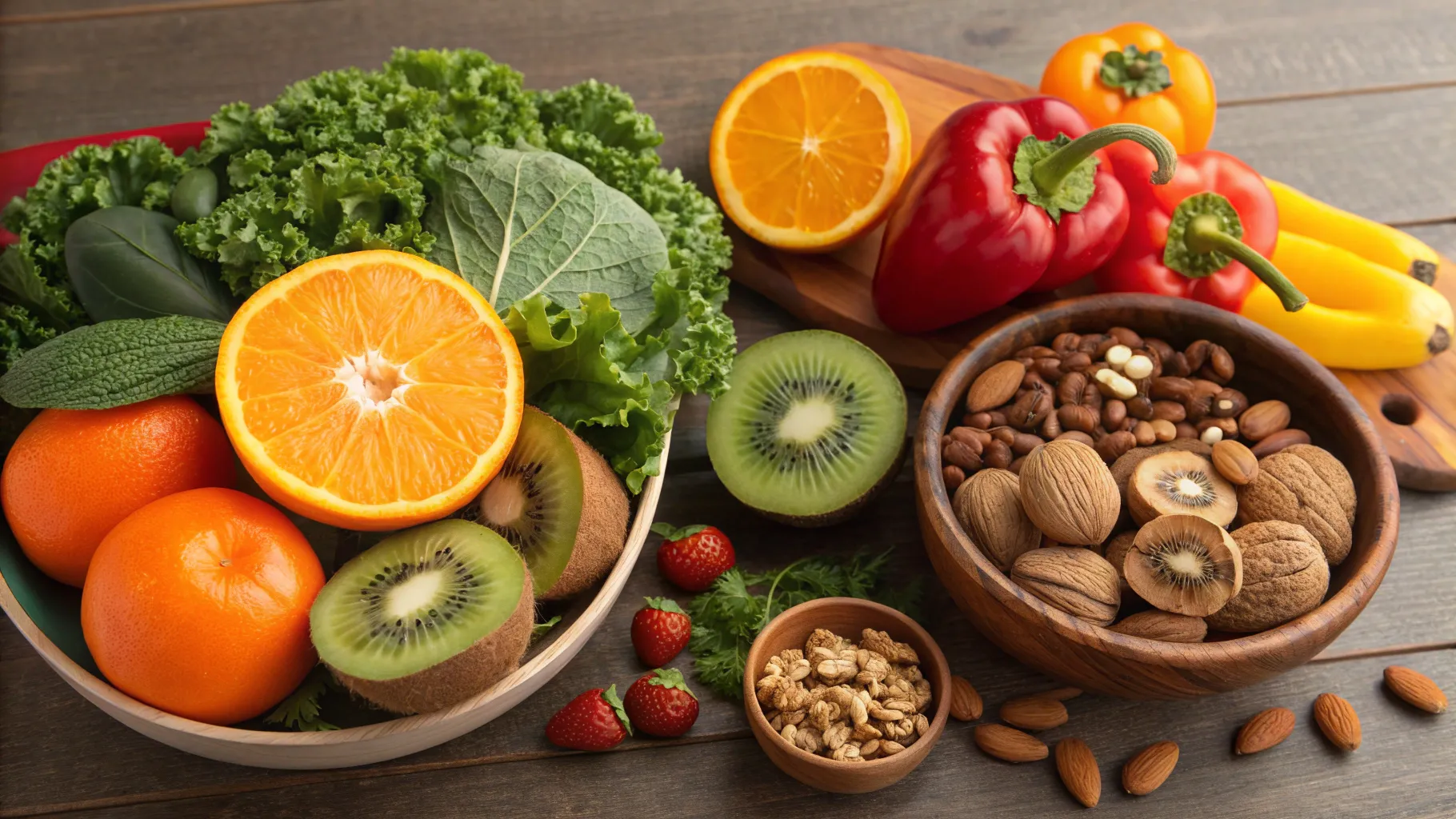
Top 10 Vitamins That Support Immune Health in Cold Seasons
As the colder months draw near, many of us start thinking about how to bolster our immune systems and fend off seasonal illnesses. A well-rounded diet rich in essential vitamins plays a crucial role in maintaining robust immunity. In this guide, we will explore the 10 vitamins that support immune health in cold seasons and how each contributes to our body's defenses.
1. Vitamin C
Vitamin C is probably the most renowned vitamin when it comes to immune health. This powerful antioxidant is found in various fruits and vegetables, especially citrus fruits, strawberries, and bell peppers. Studies indicate that vitamin C can reduce the duration and severity of colds by enhancing the production of white blood cells, which are vital in fighting infections. In recent trials, those with higher vitamin C intake witnessed a 30% reduction in cold duration compared to those with lower levels.
2. Vitamin D
Vitamin D, often referred to as the "sunshine vitamin," is essential for immune function. Recent research suggests that a deficiency in vitamin D may be linked to an increased susceptibility to respiratory infections, especially in the winter months. Foods like fatty fish, fortified dairy products, and mushrooms provide vitamin D; however, sunlight remains the most effective source. For optimal immune health, many experts recommend maintaining vitamin D levels above 30 ng/ml.
3. Vitamin A
Vitamin A is crucial for maintaining the health of mucosal surfaces in the respiratory tract, acting as the first line of defense against pathogens. Sources of vitamin A include liver, carrots, and sweet potatoes. Emerging research shows that adequate vitamin A levels can help in the production of mucus, which can trap and expel pathogens before they cause disease.
4. Vitamin E
This antioxidant plays a role in the body's immune response. Primarily found in nuts, seeds, and green leafy vegetables, vitamin E helps combat oxidative stress. A study conducted in early 2025 highlighted that older adults with adequate vitamin E levels showed 25% fewer incidents of severe infections compared to those with lower levels.
5. Vitamin B6
Vitamin B6 is crucial for biochemical reactions in the immune system. It can be found in foods such as chickpeas, bananas, and poultry. A publication in the Journal of Immunology noted that individuals with higher vitamin B6 intake developed stronger responses to flu shots, showcasing the vitamin's role in enhancing the body's adaptability against infections.
6. Vitamin B12
Vitamin B12 is vital in DNA synthesis and the production of red blood cells, which are imperative for overall health. Insufficient levels of vitamin B12 can lead to anemia, further hindering immune function. Dietary sources include animal products such as meat, eggs, and dairy. Vegans should consider fortified foods or supplements to maintain adequate levels.
7. Folate (Vitamin B9)
Folate is vital for the production of DNA and RNA, and it plays an important role in the creation of new cells, including those of the immune system. Dark leafy greens, legumes, and fortified cereals are rich in folate. A study indicated that adequate folate levels could significantly influence the efficacy of vaccines by enhancing immune cell responses.
8. Zinc
While not a vitamin in the traditional sense, zinc is an essential mineral that is fundamental for immune function. It's found in a variety of foods, including meat, shellfish, legumes, and seeds. Recent findings have shown that zinc deficiency can lead to increased mucosal inflammation and a weaker response to infections. Supplementing with zinc during cold seasons has been shown to reduce cold symptoms by almost 50%.
9. Selenium
Selenium is another trace element that plays a crucial role in maintaining a healthy immune system. It's found in foods like Brazil nuts, seafood, and eggs. Recent research has demonstrated that selenium enhances the proliferation of T-cells, which are essential for targeting infected cells. A robust selenium intake can significantly improve the immune response, especially during the cold season.
10. Omega-3 Fatty Acids
While not a vitamin, omega-3 fatty acids have garnered attention for their immune-boosting properties. These fatty acids are found in fatty fish, walnuts, and flaxseeds. They help regulate the immune system's inflammatory response, thereby reducing the severity of immune disorders. A 2025 study found that individuals taking omega-3 supplements experienced fewer instances of cold symptoms compared to those not taking them.
As you gear up for the colder months, it’s essential to include these 10 vitamins that support immune health in cold seasons in your diet. Be sure to consume a variety of nutrient-dense foods to ensure your body gets the vitamins it needs for optimal immune function. Remember, it's not just about taking supplements; incorporating these nutrients into your daily meals can create a strong foundation for your health.
In summary, understanding what to know about vitamins linked to immune function is essential in navigating the chilly months ahead. By focusing on these key vitamins and incorporating them into your diet, you'll be better equipped to handle whatever the cold season throws your way. All of this emphasizes the importance of being proactive about your health and maintaining a balanced nutritional intake.