Top 10 Vitamins for Brain Health and Cognitive Function
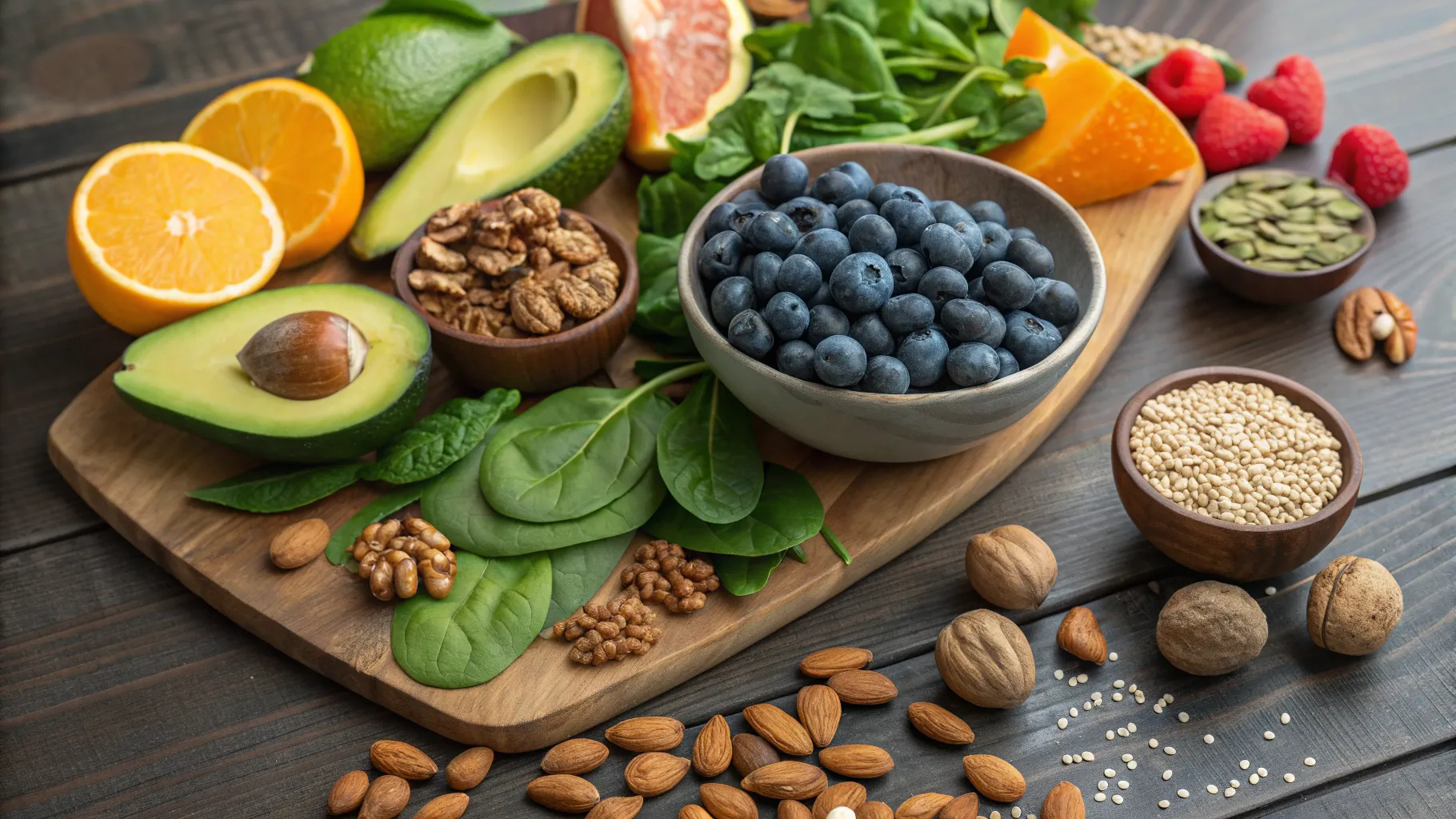
Top 10 Vitamins for Brain Health
When it comes to maintaining optimal brain function and enhancing cognitive abilities, nutrition plays a vital role. Over recent years, an increasing body of research has shed light on vitamins that support brain function, revealing how crucial they are for mental clarity, memory, and overall brain health. In this article, we’ll explore the top ten vitamins for brain health, providing you with a comprehensive nutritional guide for brain health.
1. Omega-3 Fatty Acids
Though not a vitamin in the traditional sense, omega-3 fatty acids are essential for brain health. Found abundantly in fish oil, flaxseeds, and walnuts, these fatty acids are vital for maintaining the structural integrity of brain cells. Studies from the last six months have shown that regular consumption of omega-3s can help reduce the risk of cognitive decline and enhance memory performance in older adults. A study conducted in February 2025 reported that participants who regularly consumed omega-3-rich foods showed a remarkable improvement in their cognitive scores.
2. Vitamin D
Often referred to as the sunshine vitamin, vitamin D is essential for brain development and function. Insufficient levels of vitamin D have been linked to an increased risk of cognitive decline and mood disorders. With ongoing research, it's becoming clearer that vitamin D plays a role in neuroprotection. Recent statistics from the Cognitive Health Journal indicate that over 40% of adults have low levels of vitamin D, underscoring the importance of dietary intake, especially through fortified foods and supplements.
3. Vitamin B12
Vitamin B12 is crucial for the production of red blood cells and the maintenance of the nervous system. Low levels of B12 can lead to memory loss and cognitive deficits. This vitamin is primarily found in animal products, so vegetarians and vegans may need to supplement their diet. According to a study published in the Nutrition & Neuroscience journal, over 50% of older adults have insufficient levels of this vital nutrient, emphasizing the need for regular monitoring and supplementation.
4. Folate (Vitamin B9)
Folate contributes to the synthesis of DNA and RNA and is essential for proper brain function. Research shows that adequate folate levels can reduce homocysteine levels, which are linked to dementia and cognitive decline. Sources like leafy greens, legumes, and fortified grains should be included in your diet. A compelling study from January 2025 demonstrated that individuals with higher folate levels had a significantly lower risk of developing cognitive impairments.
5. Vitamin E
Recognized for its antioxidant properties, vitamin E helps protect brain cells from oxidative stress, which is one of the contributors to neurodegenerative diseases. Foods rich in vitamin E include nuts, seeds, and green leafy vegetables. A recent study highlighted in the Aging Research Review emphasized that individuals with higher dietary vitamin E intake had better cognitive function, particularly in older populations.
6. Vitamin C
Known for its immune-boosting capabilities, vitamin C also plays a crucial role in brain health. It aids in the synthesis of neurotransmitters and protects against oxidative stress. Currently, foods rich in vitamin C, such as citrus fruits, strawberries, and bell peppers, should be part of a balanced diet. A study conducted in March 2025 revealed that participants who consumed adequate vitamin C exhibited improved verbal memory functions.
7. Magnesium
Magnesium is necessary for nerve function and has been linked to cognitive performance. It helps regulate neurotransmitters that send signals throughout the nervous system. Sources of magnesium include dark chocolate, legumes, seeds, and whole grains. In the last year, new studies have suggested that a diet high in magnesium correlates with improved cognitive function among adults, with a specific focus on memory retention.
8. Zinc
This trace mineral is essential for brain function, influencing synaptic plasticity, which is crucial for learning and memory. Foods high in zinc include oysters, meat, and legumes. Recent research published in the Journal of Neurochemistry has shown that zinc deficiency is linked to cognitive deficits, suggesting that ensuring adequate intake is vital for maintaining cognitive health.
9. Coenzyme Q10
CoQ10 is an antioxidant that helps produce energy in cells and protects brain cells from oxidative damage. While our bodies produce CoQ10, supplementation can be beneficial, especially in aging populations. A study from April 2025 showed that daily CoQ10 supplementation improved cognitive function in older adults suffering from mild cognitive impairment.
10. L-Theanine
A naturally occurring amino acid found in tea leaves, L-Theanine promotes relaxation without drowsiness, enhancing overall cognitive performance. Its calming effects are particularly beneficial for reducing anxiety and enhancing concentration. A recent pilot study in February 2025 recommended the inclusion of L-Theanine supplements for individuals seeking to improve focus and mental clarity.
Incorporating These Vitamins into Your Diet
To harness the benefits of these brain-enhancing vitamins, it’s important to adopt a balanced and nutrient-rich diet. Incorporating a variety of foods ensures that you get a broad spectrum of vitamins essential for brain health. Here’s how to do it:
- Eat A Rainbow: Include a variety of colorful fruits and vegetables in your diet, ensuring intake of antioxidants and vitamins.
- Choose Whole Grains: Opt for whole grains instead of refined carbs to enhance magnesium and B vitamin intake.
- Incorporate Healthy Fats: Use sources of omega-3 fatty acids like fatty fish, flaxseeds, and walnuts regularly in your meals.
- Consider Supplements: If you are unable to meet your dietary requirements due to lifestyle or dietary restrictions, consider seeking advice from a healthcare provider about appropriate supplementation.
By taking proactive steps to enhance your brain health with these powerful vitamins, you can support cognitive function and overall mental wellness as you navigate through the demands of daily life in 2025.