Top 10 Essential Vitamins for Optimal Brain Health in 2025
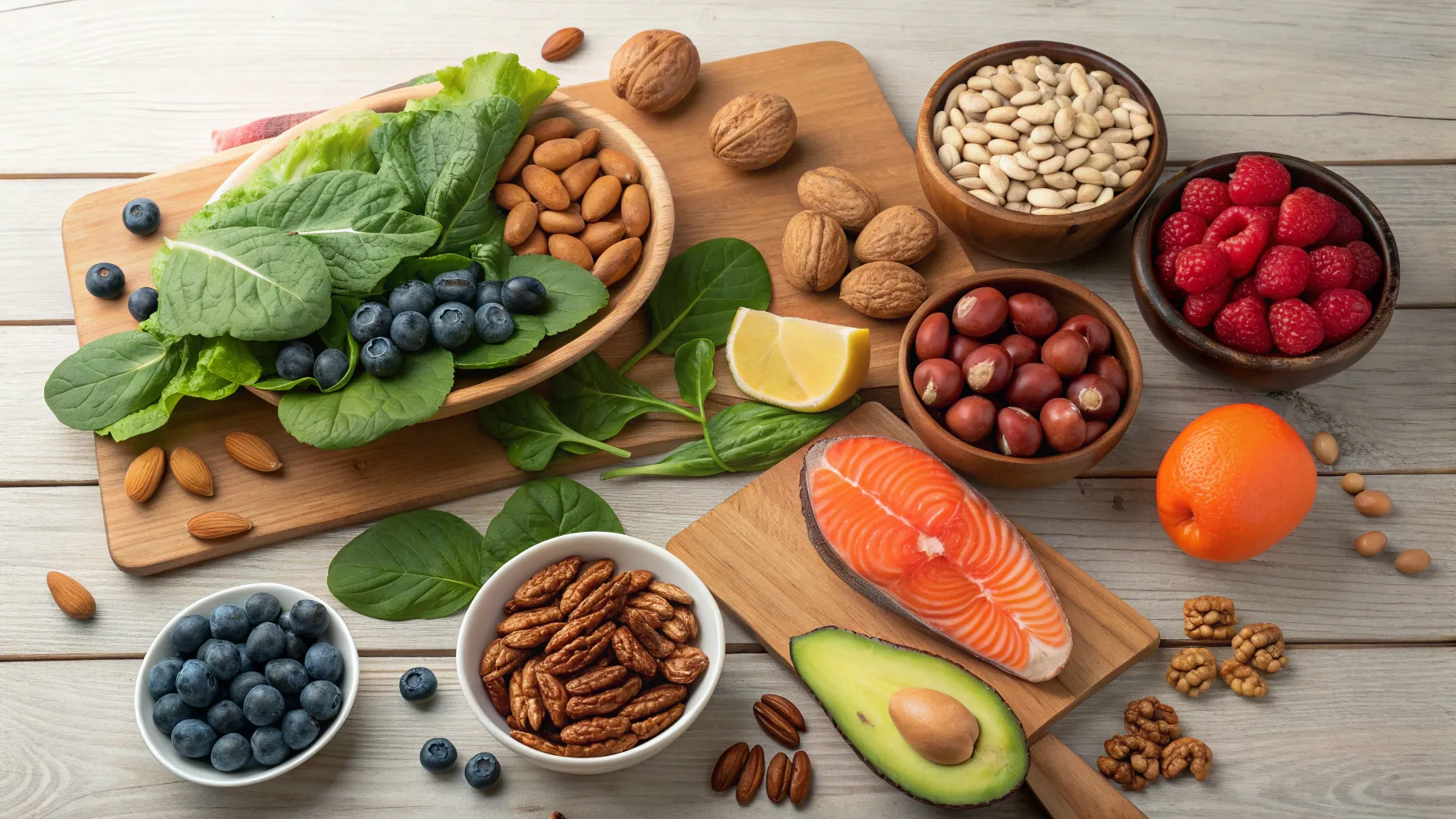
Top 10 Vitamins for Brain Health in 2025
As we step deeper into 2025, brain health has become a paramount concern for many. With the fast-paced world we live in, our cognitive abilities often face challenges that can lead to decreased brain function over time. Vitamins play a significant role in maintaining and enhancing brain health. This article delves into the top 10 vitamins for brain health, providing a comprehensive nutritional guide for supporting your brain function.
1. Omega-3 Fatty Acids
Often categorized as a vitamin for its numerous health benefits, omega-3 fatty acids are essential for brain health. Data from recent studies indicate that individuals with higher omega-3 levels show enhanced cognitive abilities and reduced risks of degenerative brain diseases. Incorporating fatty fish such as salmon and mackerel into your diet can improve focus and memory.
2. Vitamin D
Vitamin D is critical not only for bone health but also for brain function. In 2025, research has shown a strong correlation between vitamin D deficiency and increased risks of cognitive decline. The Global Mental Health Group states that maintaining adequate levels helps combat depression and anxiety, paving the way for healthier cognitive management. Sun exposure remains one of the best ways to obtain Vitamin D, alongside fortified foods and supplements.
3. Vitamin B12
This vitamin is indispensable for maintaining the health of nerve cells and the production of DNA and red blood cells. A deficiency in Vitamin B12 can lead to memory loss and cognitive decline. Recent surveys indicate that older adults are at increased risk of deficiency, making it critical to consume dietary sources such as dairy, meat, and fortified cereals.
4. Vitamin B6
Vitamin B6 plays a crucial role in producing neurotransmitters which facilitate communication between brain cells. This vitamin is particularly important for mood regulation. A recent study found a direct link between adequate B6 levels and lower anxiety levels among participants tested. Foods rich in B6, like chickpeas and bananas, are excellent additions to any diet.
5. Folate (Vitamin B9)
Folate is another B vitamin that’s critical for brain health. New findings from a 2025 longitudinal study demonstrated that folate deficiency is significantly associated with depression and cognitive decline. Foods high in folate include leafy greens, legumes, and fortified grains, making it easier to incorporate into daily diets.
6. Vitamin E
Vitamin E is known for its antioxidant properties, which help to protect the brain from oxidative stress. In a groundbreaking study earlier this year, researchers found that high levels of Vitamin E can reduce the risk of Alzheimer's disease. Nuts, seeds, and spinach are among the richest sources, providing an easy and tasty path to increased intake.
7. Vitamin C
Vitamin C is not just for colds; it’s vital for brain health too! It protects against cognitive decline through its potent antioxidant properties. A study published last month showcased that individuals with higher vitamin C intake performed better in memory tests. Citrus fruits, peppers, and strawberries are fantastic sources to bolster your brain health.
8. Magnesium
While not a vitamin, magnesium deserves mention. This mineral aids in brain function, with studies highlighting its role in learning and memory. Recent data shows that almost half of adults do not meet their daily magnesium needs, which can lead to increased risks of neurological issues. Foods like nuts, whole grains, and leafy greens can help boost magnesium levels.
9. Zinc
Zinc is essential for brain health as well, influencing cognitive function and development. Research this year has demonstrated that zinc deficiency may play a role in age-related cognitive decline. Sources include shellfish, meat, legumes, and seeds. Adding these to your diet can enhance not only your brain health but also your overall well-being.
10. Thiamine (Vitamin B1)
Thiamine supports cognitive function by converting nutrients into energy for the brain. Recent research has highlighted its necessity in enhancing memory and cognitive performance. Whole grains, meat, and fish are rich in thiamine, providing simple avenues to achieve adequate levels for optimal brain function.
Vitamins that Support Brain Function
Implementing a diet rich in these vitamins can greatly benefit your cognitive health. It’s essential to recognize that a synergistic effect occurs when these nutrients are consumed together. For instance, pairing Vitamin C, which aids in iron absorption, with iron-rich foods can improve oxygen supply to the brain, enhancing its functions.
When it comes to supplementation, ensure you consult with a healthcare professional, as individual needs can vary widely based on diet, lifestyle, and existing health conditions. Remember, while supplements can help, they are no substitute for a healthy, balanced diet.
Awareness of the vitamins that support brain function is more crucial than ever in this modern landscape filled with distractions and stressors. Taking the time to nourish your brain with the right vitamins can lead to significant improvements in memory, focus, and overall mental health.
In a world increasingly focused on mental wellness, understanding the role of these vitamins in brain health is not just informative but vital. Strive to incorporate these nutrients through food, supplementation, or lifestyle changes, ensuring your brain remains sharp and resilient in the face of life's challenges.