Top 10 Vitamins That Boost Immune Health in Winter
Top 10 Vitamins That Support Immune Health in Cold Seasons
As we transition into winter, the chill in the air often ramps up our vulnerability to colds and flu. With people spending more time indoors and the drop in temperatures, it's more important than ever to support our immune health. Fortunately, certain vitamins play a pivotal role in fortifying our body's defenses during these cold months. In this guide, we uncover the 10 vitamins that support immune health in cold seasons, empowering you to better protect yourself against seasonal sickness.
Vitamin C: The Immunity Builder
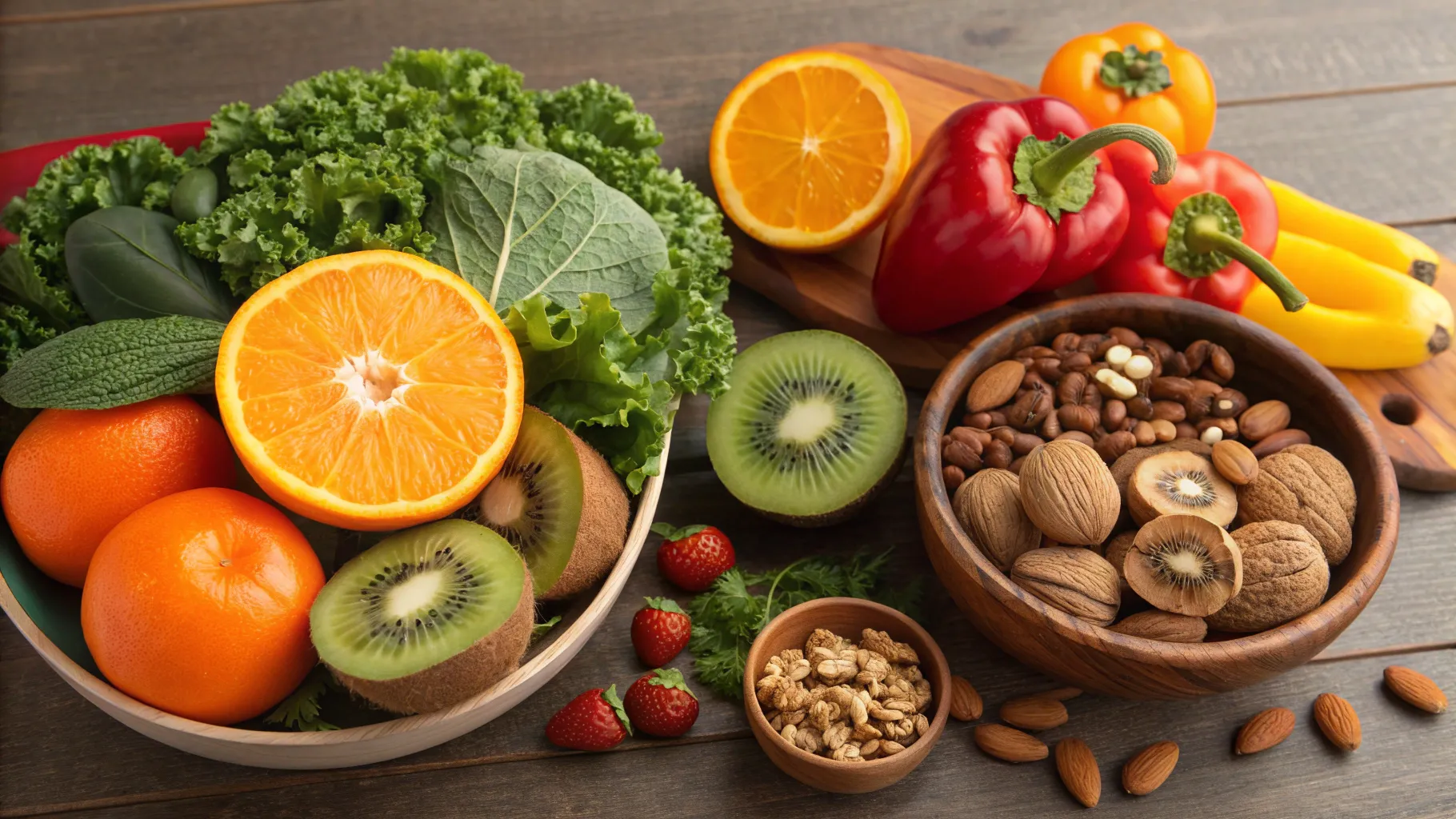
When it comes to immune support, Vitamin C is often top of mind—and for good reason. This powerful antioxidant contributes significantly to the immune response by enhancing the production of white blood cells, which are essential for combating infections. Recent studies reveal that maintaining higher levels of Vitamin C can lead to shorter cold durations. Notably, you can snatch up this vitamin from sources like oranges, strawberries, kiwi, and bell peppers. For optimal health, aim for approximately 75 mg per day for women and 90 mg for men.
Vitamin D: The Sunshine Vitamin
Vitamin D is another cornerstone of immune function, especially in winter when sunlight exposure decreases. This vitamin aids in activating T-cells, the body's defenders against pathogens. Studies from this past year illustrate that individuals with lower Vitamin D levels are more susceptible to respiratory infections. Incorporate foods rich in Vitamin D such as fortified dairy products, fatty fish like salmon, and egg yolks into your meals. As a goal, strive for around 600 to 800 IU daily.
Vitamin A: Maintaining Mucosal Integrity
Vitamin A is crucial for keeping our mucosal surfaces, particularly in the respiratory system, in top shape. It plays a significant role in developing the immune response by promoting the function of various immune cells. Including foods like carrots, sweet potatoes, and leafy greens in your diet can ensure you get enough Vitamin A. Adequate intake during chilly seasons can go a long way in warding off infections.
Vitamin E: The Immune Booster
Perceived often as a beauty vitamin, Vitamin E is vital for your immune system too. It acts as an antioxidant, shielding cell membranes from oxidative stress. Notably, this vitamin is especially beneficial for older adults whose immune systems may need extra support. Foods like nuts, seeds, and green leafy vegetables are fantastic sources of Vitamin E. Aiming for about 15 mg daily can bolster your immune health effectively.
Vitamin B6: The Cellular Function Enhancer
Vitamin B6 plays a key role in various biochemical reactions that sustain our immune system's functionality. It supports antibody production, which is crucial in fighting infections. To include adequate Vitamin B6 in your diet, consider foods such as chicken, fish, potatoes, and non-citrus fruits. Current recommendations suggest a daily intake of around 1.3 to 1.7 mg depending on your age and gender, enhancing your immune response.
Vitamin B12: The Blood Builder
Vitamin B12 is essential for the production of red blood cells and maintaining nerve health. Deficiencies can lead to anemia, which compromises your immune system's effectiveness. Rich sources of Vitamin B12 encompass dairy products, meats, and eggs. For individuals following a vegetarian or vegan diet, it's crucial to seek out fortified foods or supplements to meet the recommended intake of 2.4 mcg daily.
Folate: The Cell Repair Agent
Also known as Vitamin B9, folate plays a vital role in DNA synthesis and repair, impacting the production of antibodies and supporting the functionality of white blood cells. Foods such as dark leafy greens, legumes, and fortified cereals are significantly high in folate. Recommendations advise around 400 mcg daily, which is particularly important for women of childbearing age to avoid deficiencies.
Vitamin K: The Less Known Immune Supporter
Perhaps less celebrated than others, Vitamin K is gaining attention for its role in regulating immune responses. Studies show that it could modulate inflammation and enhance immune system activation. Foods like kale, broccoli, and Brussels sprouts are excellent sources of Vitamin K. A daily target of around 90 mcg for women and 120 mcg for men is recommended to reap its benefits.
Quercetin: The Plant Compound Hero
Quercetin is a remarkable antioxidant commonly found in numerous fruits and vegetables, celebrated for its anti-inflammatory properties which can enhance immune function. Key food sources include onions, apples, and berries. By regularly enjoying these foods, you can naturally boost your immune resilience during the cold season. Incorporating a variety of colorful fruits and vegetables into your diet can help maximize your quercetin intake.
Zinc: The Immune Mineral
Zinc is another critical mineral that supports immune system functionality and wound healing. A deficiency can lead to a higher susceptibility to infections. You can find zinc in foods such as red meat, shellfish, legumes, seeds, nuts, and dairy products. The current recommendation suggests a daily intake of about 8 mg for women and 11 mg for men. Including a balanced mix of these foods can help fortify your immune defenses.
In summary, understanding and ensuring adequate intake of the 10 vitamins that support immune health in cold seasons is vital for maintaining your well-being. By incorporating these essential nutrients into your diet, you not only equip your immune system for the winter challenges but also cultivate a healthier lifestyle year-round. This winter, safeguard your health by prioritizing these vitamins and enjoy a robust immune response against colds and flu!