Top 10 Vitamins for Bladder Control and Health Solutions
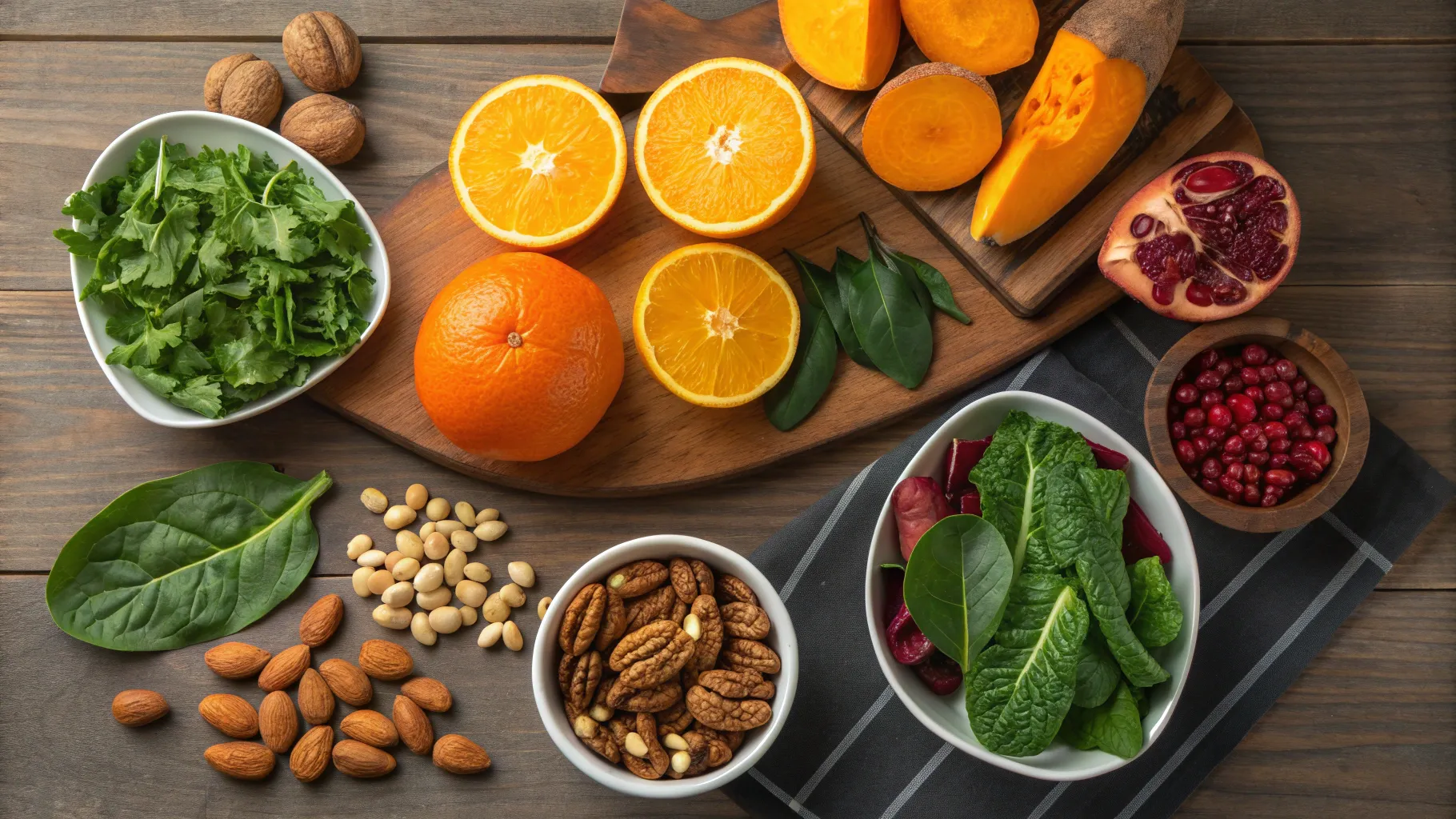
The Top 10 Vitamins for Bladder Control
Bladder health is crucial for overall well-being, often impacting daily activities and quality of life. Many people experience urinary issues as they age, making it essential to explore ways to maintain bladder control and health. Vitamins play a pivotal role in supporting urinary health, and in this article, we will delve into the top 10 vitamins for bladder control. By incorporating these vitamins into your routine, you can help promote bladder functionality and general health.
1. Vitamin D
Vitamin D is increasingly recognized for its role beyond bone health. Current research shows that adequate levels of vitamin D can improve bladder function. A study reported in The Journal of Urology found that participants with lower vitamin D levels were more likely to experience urinary incontinence. Getting ample sunlight exposure, taking supplements, or consuming vitamin D-rich foods like fatty fish can enhance your vitamin D levels.
2. Vitamin B6
Vitamin B6 is instrumental in maintaining healthy nerve function and has been associated with improved bladder control. Deficiencies in this vitamin can lead to increased incidence of urinary problems. Sources include poultry, fish, potatoes, and non-citrus fruits. Regular intake can support bladder health and help manage symptoms associated with overactive bladder.
3. Vitamin C
Known for its immune-boosting properties, vitamin C also plays a vital role in bladder health. It assists in maintaining the integrity of the bladder walls and may reduce irritation in the urinary tract. Prolonged deficiency can exacerbate bladder issues. Foods rich in vitamin C, such as oranges, kiwis, and strawberries, should be regular staples in your diet.
4. Vitamin E
Vitamin E possesses antioxidant properties that can protect bladder tissues from oxidative stress. Recent findings indicate that supplementing with vitamin E may alleviate symptoms of overactive bladder. Nuts, seeds, and green leafy vegetables are excellent dietary sources for boosting your vitamin E levels.
5. Omega-3 Fatty Acids
While not a vitamin in the traditional sense, omega-3 fatty acids are essential for reducing inflammation in the body, including the bladder. They can be found in fatty fish like salmon and flaxseed. Recent studies suggest that omega-3 supplementation can lead to powerful benefits for urinary health, especially for people with inflammatory conditions.
6. Folate (Vitamin B9)
Folate plays a critical role in producing DNA and RNA and plays a significant part in overall cellular health. For bladder health, adequate folate intake is linked to reducing the risk of urinary incontinence. Foods high in folate include dark leafy greens, lentils, and fortified cereals.
7. Vitamin A
Vitamin A has significant implications for bladder health, particularly for maintaining the health of the epithelial lining of the urinary tract. This vitamin is essential for cell growth and regeneration. Foods rich in beta-carotene, like carrots and sweet potatoes, can help enhance your vitamin A levels sustainably.
8. Magnesium
Magnesium is a mineral that supports dozens of essential bodily functions, including nerve and muscle function. It also aids in the relaxation of the bladder muscles, which can reduce the frequency of urges. Incorporating magnesium-rich foods such as nuts, whole grains, and leafy greens into your diet can support a healthy bladder.
9. Zinc
Zinc is crucial for immune function and can help reduce inflammation in the urinary tract. Recent studies indicate that adequate zinc levels may help prevent symptoms of bladder dysfunction. Foods high in zinc include meat, shellfish, legumes, and seeds, making it essential to include these in your balanced diet.
10. Herbal Supplements
In addition to vitamins, some herbal remedies have gained popularity for bladder health, such as saw palmetto and pumpkin seed extract. These natural bladder vitamins have shown promise in supporting urinary function and reducing discomfort. While they are not vitamins per se, they can be considered an excellent addition to a holistic approach to bladder health.
Integrating Vitamins for Optimal Bladder Health
Including these bladder health supplements in your daily diet can promote optimal urinary function. It's often recommended to prioritize whole foods over supplements, as whole foods provide a complex of nutrients that work synergistically in supporting bladder health.
If a dietary approach is difficult on your own, consider consulting a healthcare professional who specializes in urinary health. They can help tailor a vitamin and dietary program suited to your needs and lifestyle. Additionally, regular exercise, staying hydrated, and managing stress can also aid in achieving better bladder control.
Importance of a Balanced Approach
It’s important to remember that while vitamins play a significant role in promoting bladder health, they are most effective when taken as part of an overall healthy lifestyle. Maintaining a diet rich in these vitamins, alongside regular health check-ups and physical activity, fosters a holistic approach to urinary health. Individual results may vary and it's always best to tailor interventions based on personal health needs.
In conclusion, with bladder issues being an all-too-common concern for many, exploring the natural remedies and vitamins for bladder health can offer substantial benefits. By incorporating these ten vital vitamins into your routine, you can take significant strides towards maintaining bladder control and overall urinary health.