Top 10 Vitamins for Autoimmune Disease Management in 2025
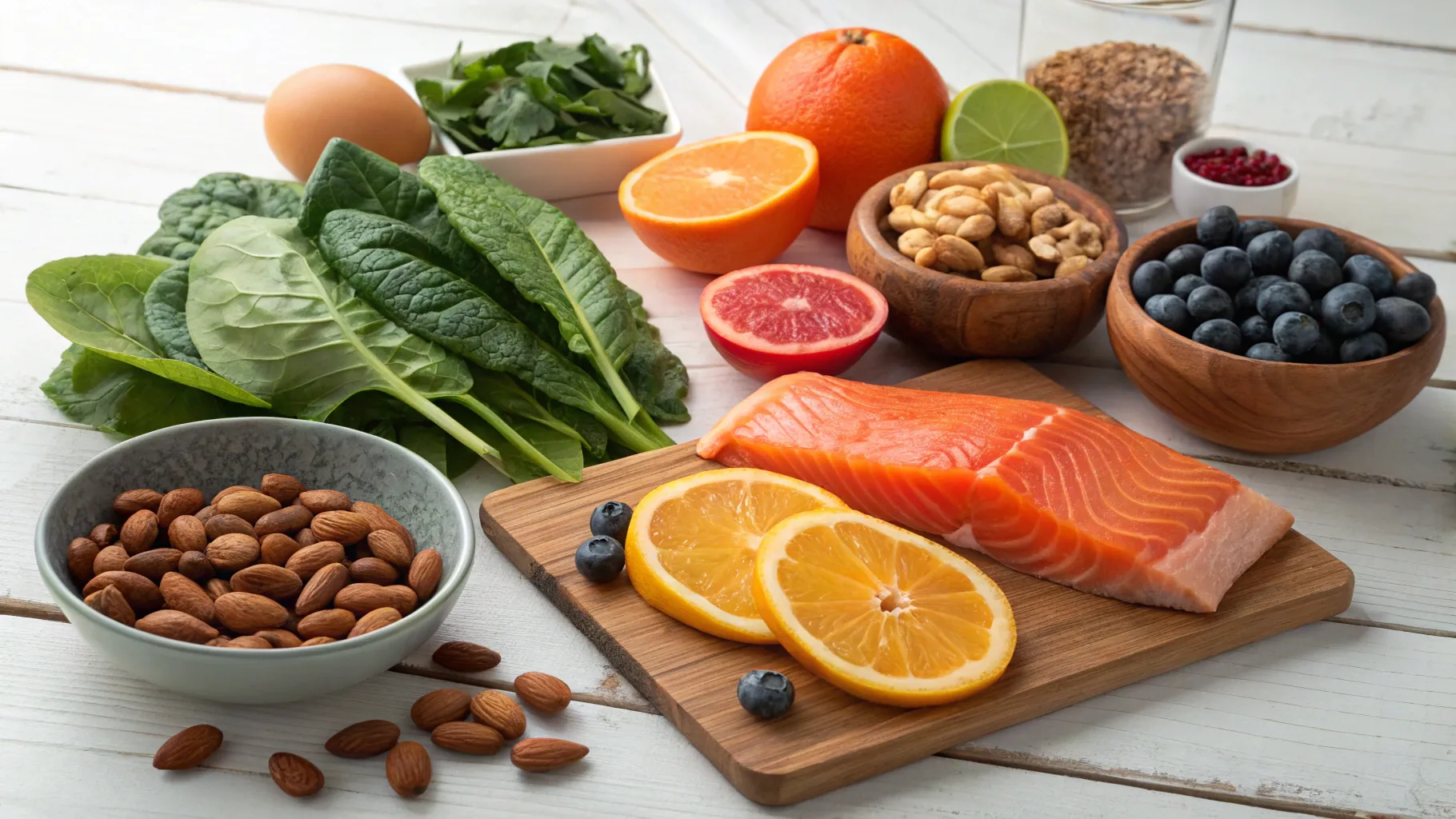
Essential Vitamins for Autoimmune Disease Management in 2025
Autoimmune diseases affect millions around the world, arising when the immune system erroneously attacks healthy cells. Managing these conditions involves a comprehensive approach, including medication, lifestyle modifications, and nutrition. In recent months, health experts have underscored the importance of vitamins in supporting autoimmune disease management. Here’s a look at 10 essential vitamins to consider integrating into your routine to help manage autoimmune disorders effectively.
1. Vitamin D: A Vital Player
Vitamin D is more than just a nutrient; it's crucial for immune system regulation. Research has shown that many individuals with autoimmune conditions, such as rheumatoid arthritis and lupus, often have lower-than-optimal vitamin D levels. Current recommendations suggest maintaining blood levels between 40-60 ng/mL. This range improves immune regulation and potentially alleviates symptoms. You can enhance your vitamin D levels through safe sun exposure or supplements derived from reputable sources.
2. Vitamin A: Immune System Booster
Vitamin A is essential for producing white blood cells, which help fight off infections. New studies from earlier this year indicate that those suffering from autoimmune issues like inflammatory bowel disease (IBD) may benefit from increased vitamin A intake. Foods rich in carotenoids, such as sweet potatoes, carrots, and dark leafy greens, can significantly improve vitamin A levels, supporting overall immune health and response.
3. Vitamin E: Antioxidant Support
Recognized for its antioxidant properties, vitamin E has an essential role in reducing oxidative stress linked with autoimmune diseases. Research published in late 2024 highlighted its ability to modulate immune responses and decrease inflammation. Incorporating food sources like almonds, avocados, and spinach into your diet can enhance your vitamin E intake, thus helping to support immune function.
4. B Vitamins: Vital for Energy
B vitamins, especially B12 and folate, are crucial for red blood cell production and neurological health. These vitamins are particularly important for individuals with autoimmune conditions such as multiple sclerosis and lupus. Recent public health guidelines suggest that people with autoimmune disorders should pay closer attention to their B vitamin intake. Foods like leafy greens, beans, and fortified cereals are excellent sources of the entire B vitamin complex. Ensuring an adequate intake can help combat fatigue and improve overall energy levels.
5. Omega-3 Fatty Acids: The Essential Fats
Though not a vitamin, omega-3 fatty acids are critical for their anti-inflammatory properties, offering substantial benefits for those with autoimmune disorders. Clinical studies have consistently shown that these acids can help reduce symptoms in conditions such as rheumatic arthritis and lupus. Sources like salmon, chia seeds, and walnuts not only provide omega-3s but also add necessary fats to your diet. Regular supplementation could act as a natural anti-inflammatory, enhancing quality of life for many.
6. Vitamin C: Immune Booster
Vitamin C shines with its immune-boosting abilities. It aids in the production of white blood cells and is crucial for protecting against oxidative stress. A 2025 study confirmed that individuals with higher vitamin C intake show significantly improved immune function and reduced inflammation associated with autoimmune conditions. Citrus fruits, bell peppers, and strawberries are great natural sources to keep your vitamin C levels robust.
7. Vitamin K: Support for Autoimmune Conditions
While typically known for its role in blood clotting, vitamin K has been linked to immune health in recent research. Adequate levels of this vitamin can benefit those with autoimmune thyroid disorders. Moreover, a healthy intake of vitamin K from foods like broccoli, kale, and fermented dairy products contributes to maintaining overall wellness and immune function.
8. Selenium: Trace Element with Big Benefits
Selenium is vital for its antioxidant effects and supports thyroid health, making it particularly beneficial for individuals with autoimmune thyroid conditions such as Hashimoto's disease. Recent findings suggest that supplemental selenium can boost immune response and reduce inflammation. Just a handful of Brazil nuts can deliver the selenium you need, emphasizing how a simple dietary change can enhance immune support.
9. Zinc: Essential for Immune Response
Zinc is a critical mineral for immune function and its deficiency can exacerbate autoimmune symptoms. Studies have shown that adequate zinc plays a significant role in modulating immune response, traits particularly beneficial for those with lupus or rheumatoid arthritis. Foods rich in zinc include meat, shellfish, legumes, and seeds. Ensuring sufficient zinc intake is critical for those managing autoimmune conditions.
10. Magnesium: The Multi-functional Mineral
Magnesium plays an essential role in biochemical functions, including the regulation of the immune response. Current research points to magnesium's role in moderating inflammation, which is often heightened in autoimmune patients. Incorporating foods high in magnesium—such as nuts, seeds, and dark leafy greens—helps to maintain optimal levels of this versatile mineral, promoting better health outcomes.
Understanding the link between nutrition and immune function is vital in managing autoimmune diseases. By integrating these ten essential vitamins for autoimmunity into your diet, you can support your immune system and improve your overall well-being. Always consult a healthcare professional before beginning any supplementation, as individual needs may vary.
Remember to keep a food diary and monitor your nutrient intake regularly. Consulting with your healthcare provider will help ensure that your vitamin levels are balanced and tailored to your specific health needs. In the complex journey of managing autoimmune conditions, a nutrient-rich diet can be an invaluable ally.