Top 10 Shade Outdoor Plants: The Ultimate Guide for Low Light Gardens
Facts:
- Many shade plants evolved under forest canopies.
- A rising trend is creating lush plants for low light gardens.
Unlocking the Potential of Your Shady Garden Spaces
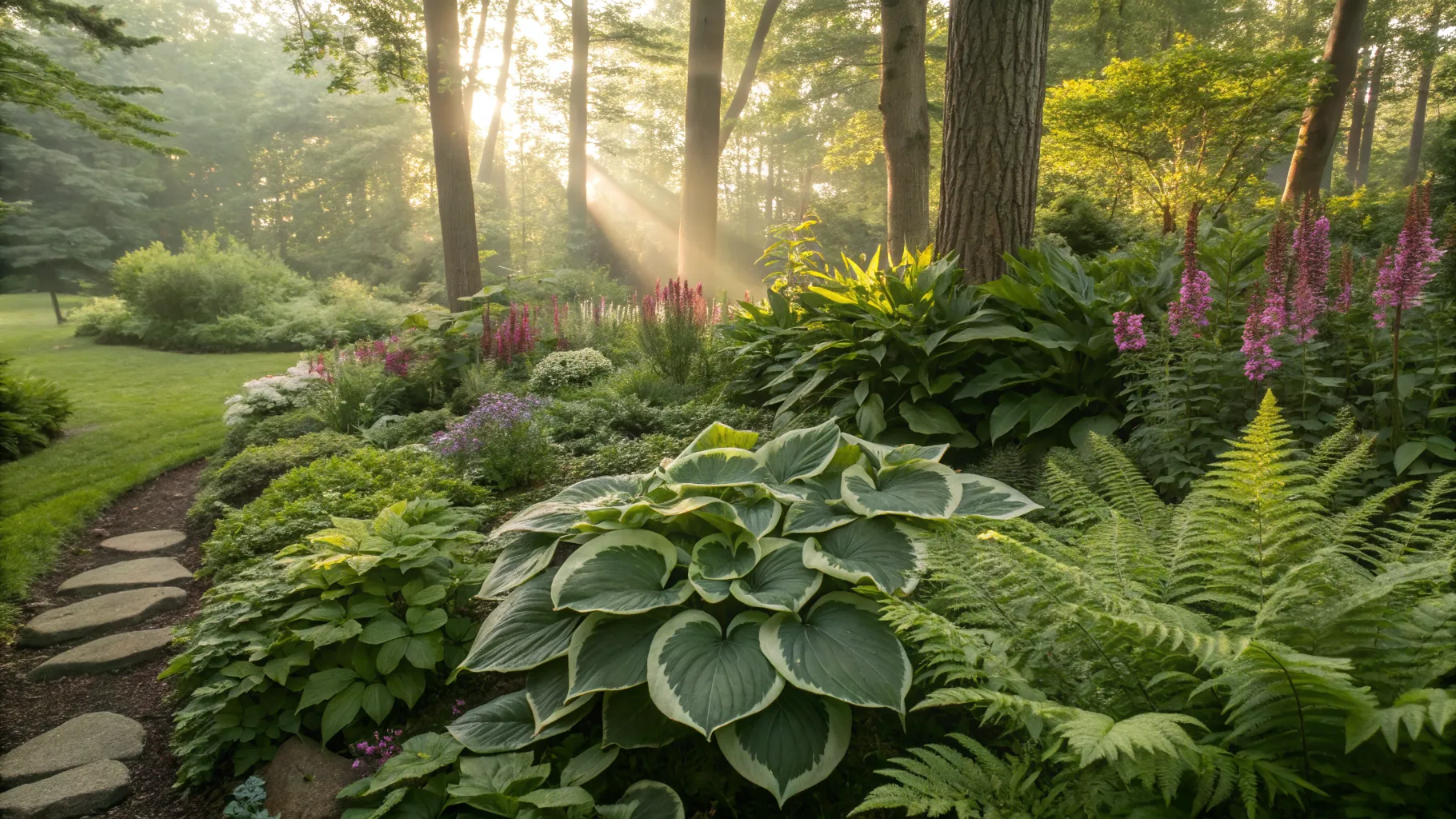
Transforming a dimly lit area of your yard from a challenge into a stunning feature is entirely possible with the right selection of plants. Many gardeners believe that shade is a limitation, but it's actually an opportunity to cultivate a unique and tranquil environment. The key is to choose from the vast array of shade loving plants that are naturally adapted to thrive without direct sunlight. This guide will explore the best 10 shade outdoor plants, providing you with a comprehensive list to create a vibrant and textured garden that flourishes in lower light conditions. These versatile species prove that a lack of sun doesn't mean a lack of beauty or color.
Our Top 10 Shade Outdoor Plants for Your Garden
Creating a breathtaking garden in shaded areas is all about selecting the right candidates. Below, we detail ten exceptional plants that not only tolerate but excel in the shade. These options offer a variety of textures, colors, and forms, ensuring your shade garden plants are anything but monotonous.
1. Hostas
Often called the queen of shade garden plants, Hostas are renowned for their stunning foliage. They come in a multitude of sizes, shapes, and colors, from deep greens to blues and variegated patterns. Hostas are incredibly durable and low-maintenance, making them perfect outdoor plants for shade. They produce elegant stalks of lavender or white flowers in the summer, adding another layer of interest to your garden design.
2. Ferns
Ferns add a delicate, feathery texture that few other plants can match. Varieties like the Japanese Painted Fern or the Ostrich Fern are fantastic shade loving plants that create a lush, woodland feel. They thrive in moist, well-drained soil and add a timeless elegance to any corner of your yard. Their intricate fronds are perfect for filling in gaps and adding depth to your planting scheme.
3. Astilbe
For a splash of color, Astilbe is an unbeatable choice. These perennials produce feathery plumes of flowers in shades of pink, red, purple, and white. They are classic plants for low light gardens, preferring partial to full shade and consistently moist soil. Their fern-like foliage remains attractive even after the blooms have faded, providing continuous visual appeal.
4. Coral Bells (Heuchera)
Coral Bells are prized for their vibrant, often ruffled, foliage that comes in an astonishing range of colors, including purple, bronze, green, and gold. They are among the most versatile 10 shade outdoor plants because they tolerate a range of light conditions, though they perform best with morning sun and afternoon shade. Delicate bell-shaped flowers appear on slender stems in late spring.
5. Bleeding Heart (Dicentra spectabilis)
A classic cottage garden favorite, the Bleeding Heart produces unique, heart-shaped flowers that dangle from arching stems in spring. This plant is a true spectacle and one of the most charming shade loving plants you can find. It prefers partial to full shade and will go dormant in the summer heat, so it's best paired with other plants that will fill the space later in the season.
6. Impatiens
For continuous, brilliant color from spring until the first frost, Impatiens are a go-to annual. They are exceptional outdoor plants for shade, brightening up the darkest spots with their cheerful flowers in nearly every color imaginable. They require consistent moisture to perform their best and are perfect for borders, containers, and mass plantings.
7. Begonias
Tuberous and wax begonias are fantastic choices for shady areas. They offer both interesting foliage and prolific blooms. With a wide variety of leaf shapes, colors, and flower forms, begonias can provide season-long interest. They are excellent shade garden plants for containers and hanging baskets where their beauty can be appreciated up close.
8. Hydrangeas
Certain varieties of Hydrangeas, particularly Bigleaf (Hydrangea macrophylla) and Oakleaf (Hydrangea quercifolia), are superb plants for low light gardens. They produce large, showy flower clusters that can be blue, pink, white, or purple. They appreciate protection from the hot afternoon sun, which can scorch their leaves and flowers.
9. Japanese Forest Grass (Hakonechloa)
This graceful, arching ornamental grass brings a sense of movement and a bright, cascading texture to shade gardens. The variegated varieties, with their yellow or white stripes, are particularly effective at illuminating dark areas. It is a slow-growing but long-lived perennial that makes an excellent groundcover or accent among other shade loving plants.
10. Lungwort (Pulmonaria)
Lungwort is a delightful, low-growing perennial valued for both its unique, silver-spotted foliage and its early spring flowers that often change from pink to blue as they age. It is one of the hardiest outdoor plants for shade, forming attractive clumps that work well as a groundcover or border plant. It is also deer and rabbit resistant.
Foliage vs. Flowers: Choosing Your Shade Garden Plants
When designing with plants for low light gardens, it's crucial to think beyond just flowers. While blooms provide seasonal bursts of color, foliage offers structure, texture, and interest throughout the entire growing season. Plants like Hostas, Ferns, and Coral Bells are the backbone of many successful shade garden plants designs because their leaves are the main attraction. A thoughtful combination of different leaf shapes, sizes, and colors—from the bold leaves of a Hosta to the fine texture of a Fern—can create a composition that is just as dynamic as a sun-drenched flower bed. The key is to balance flowering shade loving plants like Astilbe and Begonias with strong foliage plants to ensure your garden remains visually compelling from spring through fall.
Essential Care Tips for Outdoor Plants for Shade
Caring for your shade garden requires a slightly different approach than caring for a sunny one. Success hinges on understanding the unique needs of these plants. Here are some essential tips:
- Water Wisely: While shade keeps the soil cooler and reduces evaporation, tree roots can compete for moisture. Check the soil regularly and water deeply when the top inch is dry. Morning watering is best to allow foliage to dry and prevent fungal diseases.
- Enrich the Soil: Most shade loving plants thrive in rich, well-draining soil. Amend your garden beds with compost or other organic matter annually to improve soil structure and provide essential nutrients.
- Fertilize Sparingly: Shade plants generally require less fertilizer than their sun-loving counterparts. A slow-release, balanced fertilizer applied in the spring is often sufficient for the entire season.
- Prune and Tidy: Regularly remove any dead or yellowing leaves to improve air circulation and maintain the plant's appearance. Pruning can also help manage the size and shape of your outdoor plants for shade.
- Monitor for Pests: Pests like slugs and snails are common in the cool, damp conditions of a shade garden. Be vigilant and use organic control methods to protect your plants.
Frequently Asked Questions
What are the best low-maintenance shade loving plants?
For gardeners seeking low-effort options, Hostas, Ferns, and Coral Bells (Heuchera) are excellent choices. These perennials are very resilient, require minimal care once established, and provide long-lasting beauty with their stunning foliage. They are cornerstone shade garden plants for a reason.
Can I have a colorful garden in the shade?
Absolutely! Many people associate shade with only green, but you can have a vibrant garden. Plants like Impatiens, Begonias, Astilbe, and Bleeding Heart provide beautiful blooms. Furthermore, foliage plants like Coral Bells and variegated Hostas offer brilliant color all season long, proving that plants for low light gardens can be incredibly colorful.
How do I know if I have full shade or partial shade?
Understanding your light conditions is key. Full shade means an area receives no direct sunlight. Partial shade (or part sun) typically means the area gets between 2 to 6 hours of direct sun, preferably gentle morning sun. Observe the area throughout the day to accurately assess how much light it receives before selecting your outdoor plants for shade.
References
- Royal Horticultural Society - Shade Gardening Guide
- The Old Farmer's Almanac - Plants for Shady Spots
- Gardening Know How - Shade Garden Plant Information
- University Extension horticultural publications