Top 10 Hobbies for Retirees to Enhance Wellbeing
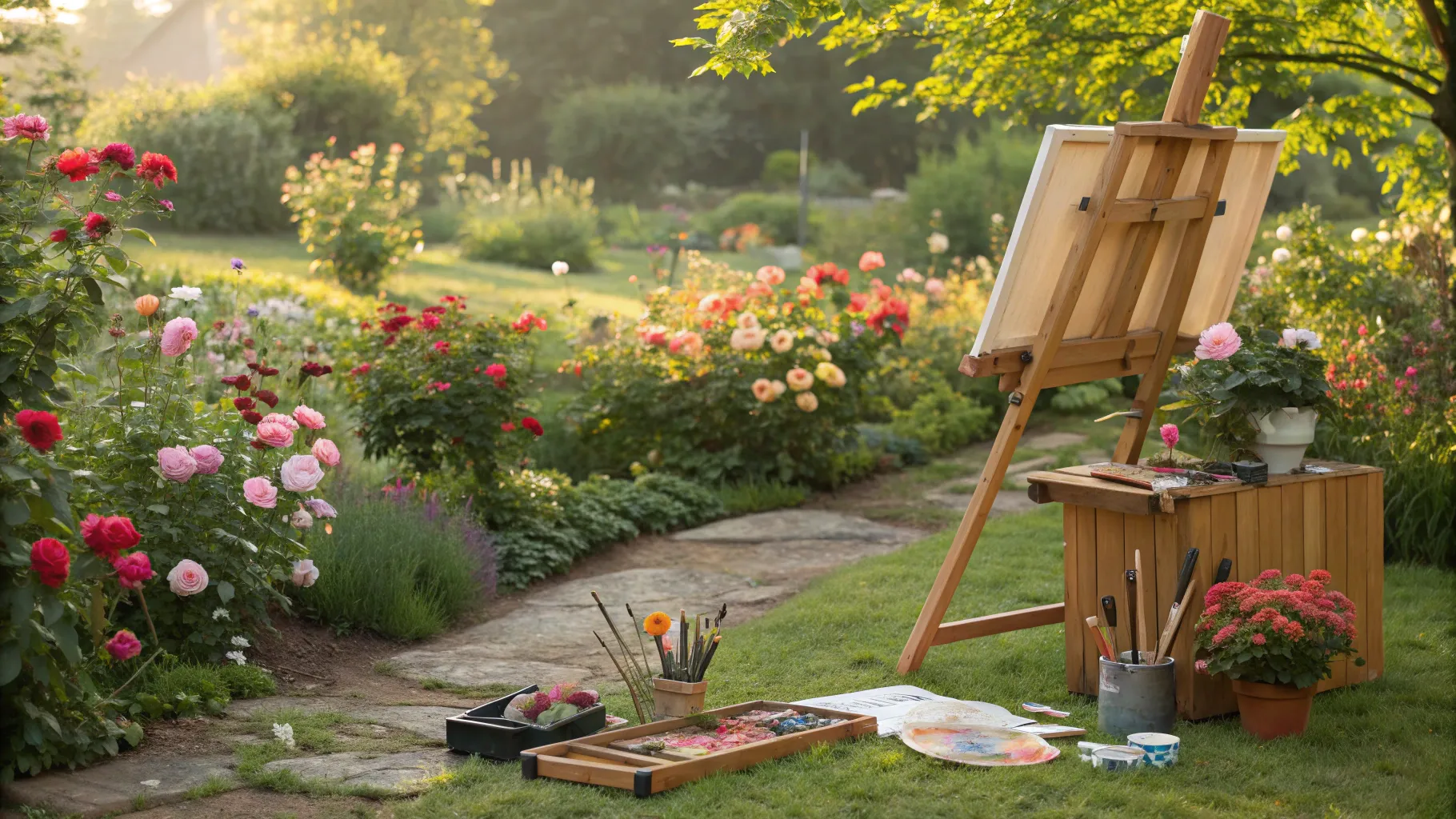
Top 10 Hobbies for Retirees: A Leisurely Pursuit
Retirement is a new chapter that opens up a world of possibilities, allowing individuals to explore interests they may not have had time for during their working years. Engaging in hobbies not only fills the days with joy but also supports overall well-being. Below are 10 popular hobbies for retirees explained with examples that promote creativity, relaxation, and social connections.
1. Gardening: Cultivating Happiness
Gardening is one of the most beloved hobbies among retirees. It allows individuals to connect with nature while also providing physical activity. Recent surveys show that about 73% of older adults are engaged in some form of gardening. For example, a retiree can choose to plant flowers for aesthetics, grow vegetables for a healthy diet, or even create a therapeutic herb garden. Gardening offers numerous health benefits, including improved mood and reduced stress levels.
2. Painting and Drawing: Expressive Creativity
Creative activities and crafts for retired adults often include painting and drawing. This hobby enhances creativity and provides a relaxing outlet for emotions. Local community centers frequently offer art classes where retirees can learn techniques from professionals. Just like Joan, a retired teacher who took up watercolors and began to showcase her work in community galleries, many find immense satisfaction in bringing their imagination to life on canvas.
3. Cooking and Baking: Culinary Adventures
Exploring new recipes can be an exciting way to spend time. Cooking and baking allow retirees to create delicious meals for themselves and loved ones. Many new cooking classes focus on healthy eating tailored for older adults. For instance, retirees can attend workshops that specialize in low-sodium cooking or cooking for chronic health conditions. These classes not only enhance culinary skills but also foster connections with fellow food enthusiasts.
4. Photography: Capturing Moments
With smartphones and affordable digital cameras, photography has become an accessible hobby for many retirees. This hobby encourages individuals to explore their surroundings and capture beautiful moments. Recent photography clubs have sprung up in many communities, offering both social interaction and opportunities to learn about photography techniques. A retired couple, Joe and Maria, recently participated in a weekend photography workshop that inspired them to document their travels across national parks.
5. Volunteering: Giving Back to the Community
Volunteering is a fulfilling activity that enriches lives and strengthens communities. Studies indicate that retirees who volunteer report higher levels of happiness and reduced depression. Whether it's mentoring youth, helping at local shelters, or participating in environmental clean-up events, giving back can make a significant difference. Last year, Bob, a retired nurse, volunteered at a local clinic, providing free health screenings and exchanging life stories with the community.
6. Book Clubs: Magic of Storytelling
Joining a book club can change how retirees perceive literature and create a great social network. With approximately 80% of retirees indicating a love for reading, book clubs often focus on a specific genre that members enjoy discussing. For instance, a local club meets monthly to discuss everything from classic literature to contemporary novels, allowing members to engage in lively debates and share perspectives.
7. Hiking and Nature Walks: Fitness in Natural Beauty
Outdoor activities, especially hiking, are perfect for retirees looking to stay fit and enjoy nature. Many communities organize group hikes, allowing seniors to explore local trails together. Not only is hiking excellent exercise, but it also improves mood and reduces anxiety. In fact, national parks recently reported increased participation from older adults taking advantage of programs designed to fit their fitness levels.
8. Learning New Skills: Lifelong Education
Retirement is an ideal time to learn new skills. Many retirees take up interests such as learning a new language or playing a musical instrument. Online platforms and local community colleges have made education more accessible than ever. For example, Susan, a retired corporate manager, enrolled in an online language course and is now conversing in Spanish fluently with her grandchildren.
9. Crafting: A World of Creation
Crafting is a delightful way to express creativity, from knitting and sewing to model-building. It provides relaxation while producing tangible results. Many retirees find joy in making handcrafted items for personal use or gifts. Local craft fairs also offer a platform for retirees to showcase their creations, fostering a sense of accomplishment and community connection.
10. Traveling: Exploring New Horizons
Lastly, many retirees embark on traveling adventures, whether it's a cruise, a road trip, or group tours aimed at seniors. The travel industry has seen a rise in tailored offerings for older adults, ensuring accessibility and comfort. Mary and Tom, retirees who recently completed a European cruise, reported feeling rejuvenated and excited about their next journey. Traveling broadens horizons, allowing new experiences and memories to be created.
In conclusion, hobbies enrich the lives of retirees in countless ways. From enhancing creativity with crafts to maintaining health through outdoor activities, life after retirement should be filled with enjoyable pursuits. Engaging in these activities not only keeps older adults active and connected but also plays a crucial role in emotional and physical well-being. As we embrace this vibrant new phase, there's no better time to discover a passion, forge new friendships, and live life to the fullest.