Discover the Top 10 Hidden Sugar Sources in Your Diet
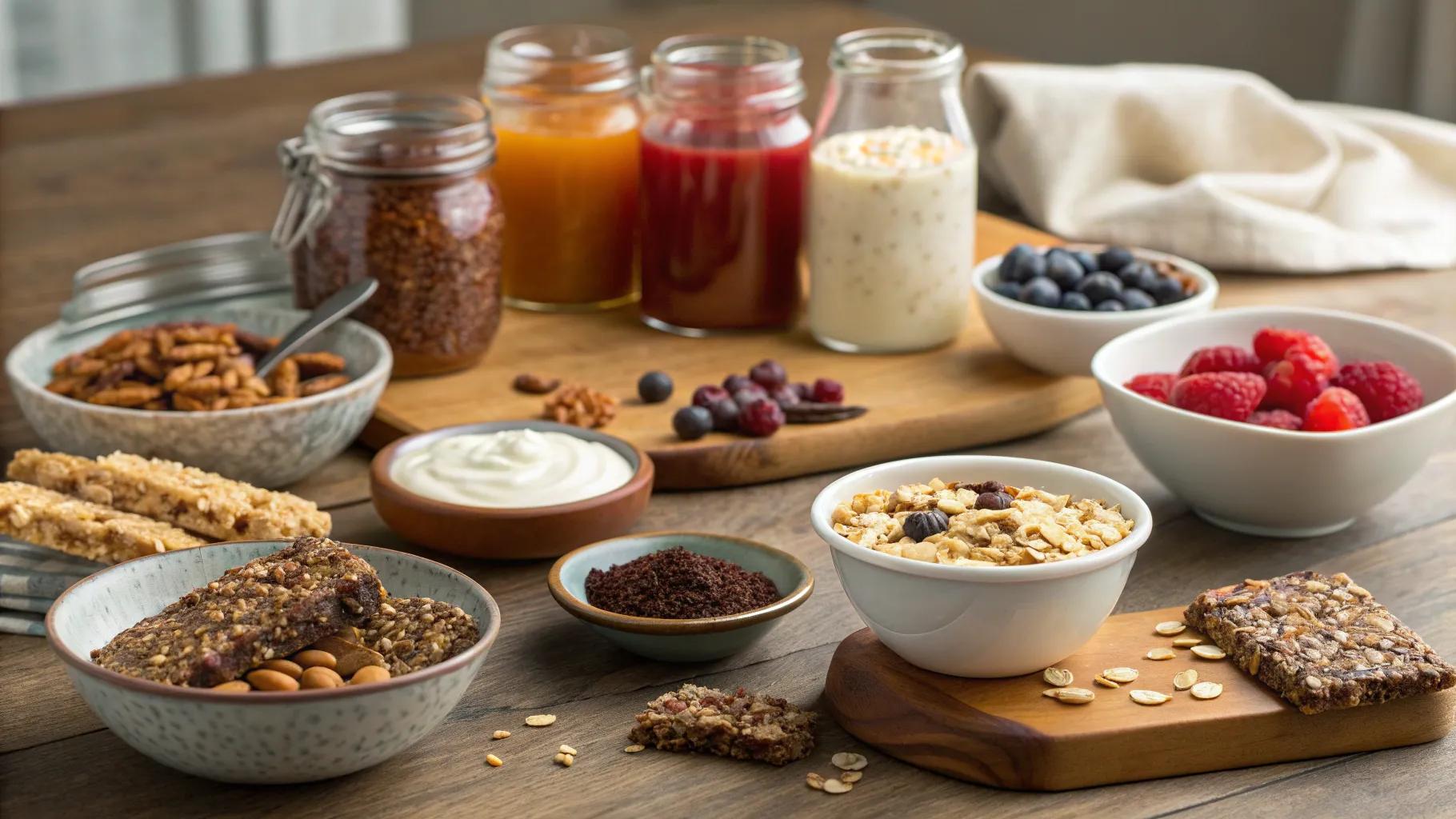
Top 10 Hidden Sugar Sources in Your Diet
In 2025, many people continue to struggle with hidden sugars in their diets. With sugary treats dominating the food landscape, it's essential to learn about the top 10 hidden sugar sources that may be sneaking into your meals daily. Even in seemingly healthy options, sugar can be pervasive, impacting health in ways that often go unnoticed until it’s too late.
1. Sauces and Condiments
It's easy to overlook sauces and condiments as significant sugar sources. Things like ketchup, barbecue sauce, and salad dressings often contain added sugars to enhance flavor. For instance, a typical tablespoon of ketchup can pack about 4 grams of sugar. Opting for homemade versions or checking labels can significantly reduce your sugar intake.
2. Bread and Baked Goods
Bread is a staple in many diets, but many commercial brands contain hidden sugars to improve taste and shelf life. A single slice can have as much as 2 grams of sugar. Plus, muffins, pastries, and cookies often contain more sugar than you'd expect. When shopping, look for brands that specify "no added sugars" on the label.
3. Flavored Yogurts
While plain yogurt can be a healthy choice, flavored yogurts are often loaded with sugars. A single serving of fruit-flavored yogurt can average around 15 to 20 grams of sugar. Switching to plain yogurt and adding your favorite fruit or nuts can cut down on sugar without sacrificing taste.
4. Breakfast Cereals
Your morning cereal might be a big culprit in your daily sugar intake. Many cereals marketed as healthy can contain several grams of sugar per serving. In fact, some children’s cereals boast up to 30 grams of sugar per bowl. Always check the ingredient list and choose options with whole grains and low sugar content.
5. Energy and Protein Bars
Though marketed as health foods, many energy and protein bars are loaded with sugar. Some bars can have as much as 20 grams of sugar, often derived from syrups and sweeteners disguised as health-promoting ingredients. Reading the nutrition label is crucial before making a purchase.
6. Fruit Juices
Even 100% fruit juices can contribute to higher sugar intake. A typical serving of orange juice can contain about 21 grams of sugar, comparable to a sugary soft drink. Whole fruits are a better alternative because they provide fiber along with natural sugars, which helps manage blood sugar levels.
7. Canned Foods
Surprising as it may seem, many canned vegetables and soups contain added sugars. Manufacturers often add sugar to enhance flavors, making them taste more appealing. For instance, a can of baked beans may contain up to 8 grams of sugar per serving. Choose items labeled as "no added sugars" or opt for dried products when possible.
8. Snack Foods and Granola
Granola is often perceived as a healthy snack, but many pre-packaged versions have a high sugar content—sometimes exceeding 15 grams per serving. Snacks like cookies and flavored popcorn also hide sugars under various guises. It's helpful to read ingredient labels thoroughly as they may include terms like "agave nectar" or "high fructose corn syrup" that signal sugar content.
9. Dairy Products
Aside from flavored yogurts, other dairy products like chocolate milk or even coffee creamers can harbor unexpected sugars. A single cup of flavored coffee creamer can carry as much as 5 to 10 grams of sugar. Always check labels, especially on flavored dairy products, to avoid excessive sugar intake.
10. Instant Oatmeal
While oatmeal is a great breakfast option, instant oatmeal packets often come loaded with sugars to account for convenience and taste. Some flavors can have up to 12 grams of sugar per serving. Opting for plain oats and adding your sweeteners can keep sugar levels down without losing the enjoyment of your meal.
How to Identify Sugar in Ingredient Labels
Understanding how to identify sugar in ingredient labels is key to avoiding hidden sugars. Nutritional labels often list sugars, but hidden sugars can appear under various names like:
- High fructose corn syrup
- Sucrose
- Brown sugar
- Agave nectar
- Molasses
- Fruit juice concentrate
To minimize your exposure to hidden sugars, try to familiarize yourself with common sugar aliases and read labels diligently. Nutritionists also recommend counting the total grams of sugar listed per serving in the context of your overall daily intake, which should ideally not exceed 25 grams for women and 37.5 grams for men according to recent 2024 dietary guidelines.
Tips for Reducing Hidden Sugars in Your Diet
To help reduce the amount of hidden sugar in your meals, consider the following tips:
- Cook at home: Preparing meals from scratch allows you to have full control over the ingredients used.
- Choose whole foods: Focus on whole grains, fresh fruits, and vegetables that are naturally low in sugar.
- Moderation: Enjoy sweet treats in moderation and opt for healthier alternatives to satisfy your cravings.
- Stay hydrated: Sometimes thirst is mistaken for sugar cravings. Drinking water can reduce unwanted snacking.
- Educate yourself: Stay informed about food trends and changes in the industry regulations concerning sugars and labeling.
By becoming more aware of common foods with added sugars and proactively managing sugar intake, you can lead a healthier lifestyle despite the challenges posed by hidden sugars. Making small, consistent changes in your dietary habits can lead to significant health improvements over time and help you avoid the pitfalls of excessive sugar consumption.