Top 10 Healthy Eating Myths and Nutrition Misconceptions
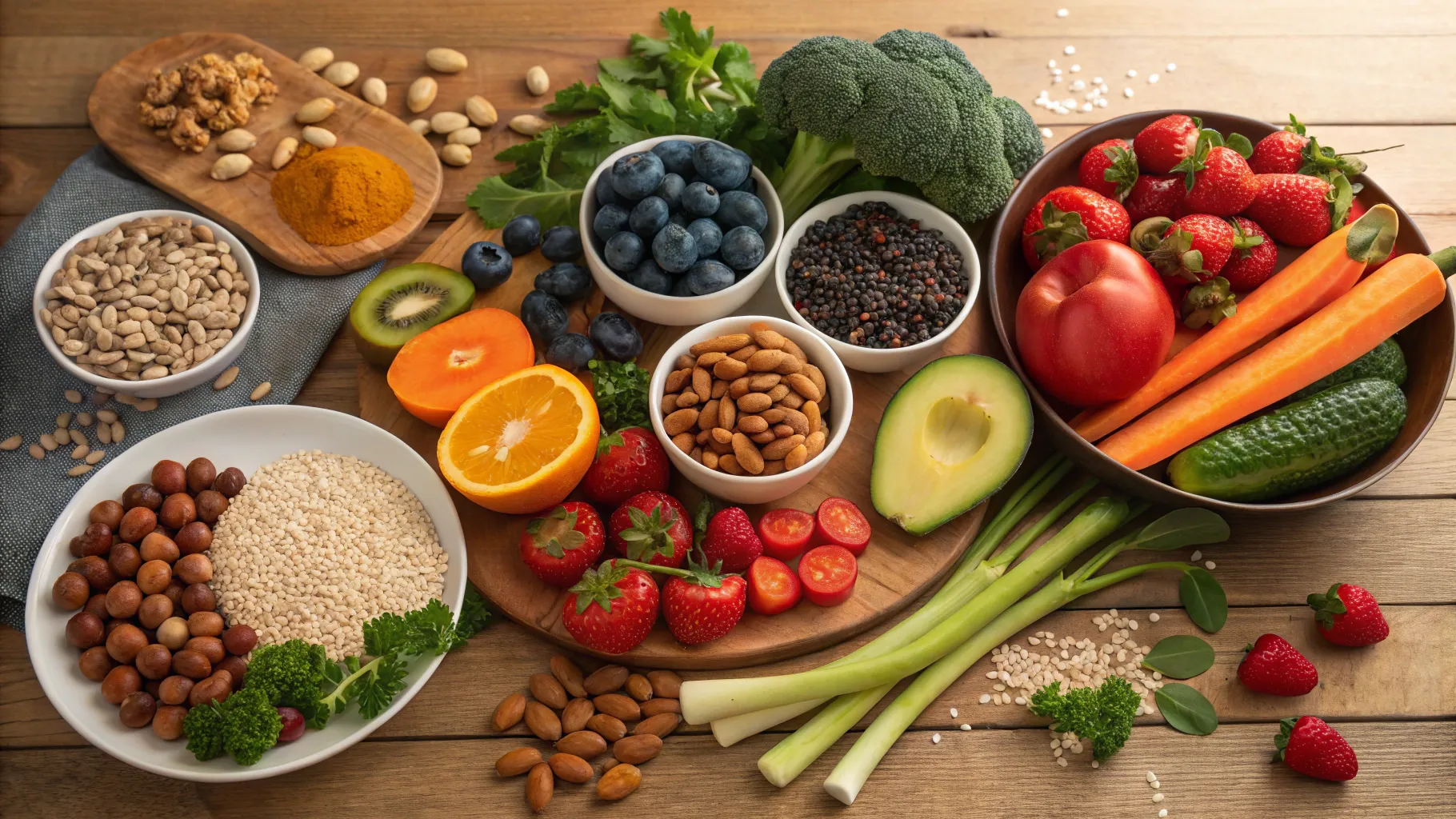
10 Healthy Eating Myths Explained
In the world of nutrition, misinformation and myths can often cloud our understanding of what it truly means to eat healthily. As we move through 2025, it's essential to sort through the myths to embrace a more informed approach to food and nutrition. Whether you're embarking on a new diet journey or simply trying to make older habits healthier, understanding these misconceptions can help you make better food choices.
1. All Fats Are Bad
One of the most pervasive myths is the idea that all fats are harmful. In reality, fats are a necessary component of our diet, essential for hormone production, nutrient absorption, and energy. Recent studies indicate that healthy fats—such as those found in avocados, nuts, and olive oil—can improve heart health and aid weight loss. The key is focusing on unsaturated fats while limiting saturated and trans fats.
2. Carbs Make You Gain Weight
Carbohydrates have been demonized in popular culture as the root cause of weight gain. However, carbs are vital for energy and the only fuel for the brain. Evidence from the past year reveals that whole grains, fruits, and vegetables, all carbohydrate-rich foods, can aid weight management techniques when part of a balanced diet. Eliminating carbs completely can lead to nutritional deficiencies and a cycle of cravings.
3. Skipping Meals Is a Good Way to Lose Weight
Many believe that skipping meals will help expedite weight loss; however, this practice can have the opposite effect. Recent evidence demonstrates that skipping meals often leads to overeating at later times and may also slow down metabolism. A balanced approach of regular meals can contribute to more sustainable weight management strategies.
4. Detox Diets Are Necessary
Detox diets, often marketed as quick-fix solutions for cleansing the body of toxins, are another misguided notion. In reality, our bodies possess natural mechanisms for detoxification through the liver and kidneys. Nutritional guidelines from the last few months stress that a balanced diet rich in fiber, vitamins, and hydration is the best method for supporting these processes, without the need for extreme detox plans.
5. Organic Foods Are Always Healthier
The term "organic" often suggests that a food is healthier. While organic foods are grown without synthetic pesticides, they don’t necessarily contain more nutrients than their non-organic counterparts. In fact, several studies in the last year have shown minimal differences in health benefits. It’s important for consumers to focus on a variety of fruits and vegetables, regardless of their farming practices.
6. Eating Late at Night Causes Weight Gain
The “late-night eating leads to weight gain” myth has been debunked, according to nutritionists. Recent research shows that the total caloric intake and food choices made throughout the day is far more significant than the timing of the meals. We now know that what matters more is what you eat rather than when you eat it. However, be mindful of nighttime snacking habits.
7. All Processed Foods Are Unhealthy
Processed foods often get a bad rap, but not all processed items are detrimental to health. Foods like frozen fruits or vegetables, whole grain bread, and canned beans can maintain their nutritional value. The key is understanding the difference between highly processed foods (e.g., sugary snacks) and minimally processed items that can fit into a balanced diet.
8. Meat Must Be Avoided for a Healthy Diet
With the rise in plant-based eating, some believe that all forms of meat should be avoided for optimum health. Yet, lean meats provide important protein, iron, and B vitamins. The 2025 dietary guidelines encourage balance, promoting a diet that includes a variety of food groups—from meats to legumes—to meet nutritional needs effectively.
9. All Caloric Intake is Equal
It’s a common misconception that calories are all the same, regardless of their source. In reality, the types of calories you consume matter significantly. Studies show that eating calories from whole foods such as fruits, vegetables, and whole grains can lead to better health outcomes compared to processed calorie-dense foods. The body metabolizes different types of calories distinctly, which affects your overall health.
10. Supplements Can Replace a Poor Diet
Many people assume that taking supplements can substitute for a poor diet. However, recent data highlights that food sources of nutrients are often superior to supplements due to the bioavailability of vitamins and minerals in whole foods. Dietary guidelines suggest that focusing on consuming a diverse range of nutrient-rich foods should be prioritized over reliance on pills.
As we dive deeper into 2025, understanding these ten healthy eating myths can empower individuals to make more informed decisions about their diets. The journey to healthy eating isn't just about focusing on what to avoid but embracing a well-rounded, nutritious approach to food. By recognizing and debunking these myths, you can create a more satisfying and effective eating plan.