Top 10 Football Stadiums: The Ultimate Ranking of Iconic Venues
Facts:
- Wembley Stadium has 2,618 toilets, more than any other venue.
- Sustainability is a major trend for new iconic football venues.
Exploring the World's Most Iconic Football Venues
Embark on a journey through the cathedrals of the beautiful game. From historic grounds echoing with a century of cheers to modern marvels of architecture, the best football stadiums in the world are more than just venues; they are the heartbeats of their clubs and cities. This definitive guide explores the grounds that every football fan dreams of visiting, providing a comprehensive look at the top 10 football stadiums that stand out for their atmosphere, history, and sheer magnificence. These are the places where legends are made and history is written, making them truly famous football stadiums on a global scale.
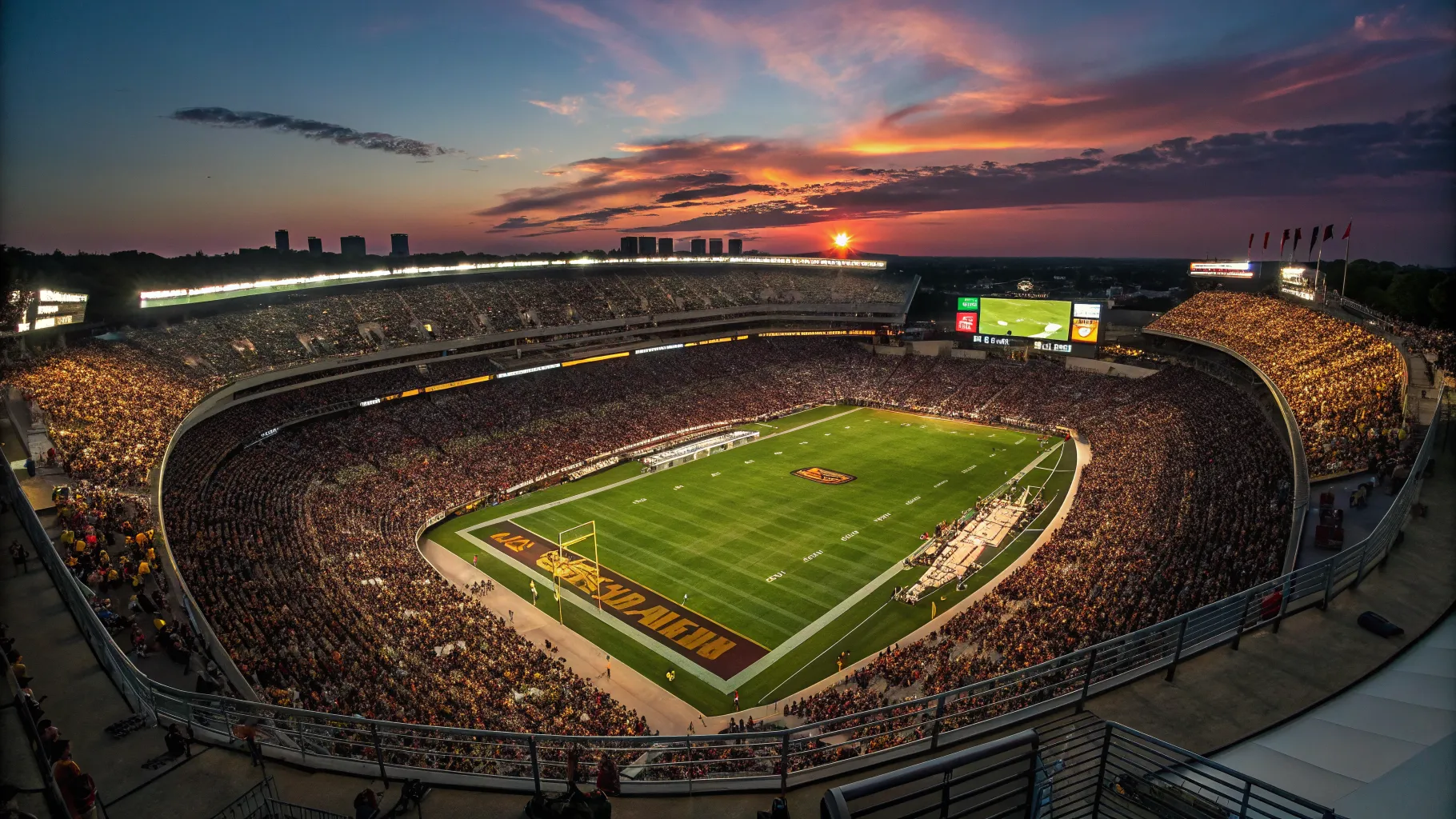
The Definitive Football Stadium Rankings for 2026
Compiling a list of the world's greatest stadiums is no easy task, as each one offers a unique experience. Our football stadium rankings consider factors like atmosphere, historical significance, architectural design, and spectator experience to present the ultimate list of must-visit destinations for any football aficionado.
1. Wembley Stadium (London, England)
Often called 'The Home of Football,' the new Wembley Stadium continues the legacy of its predecessor with its iconic arch soaring over the London skyline. With a capacity of 90,000, it's the largest stadium in the UK and hosts major finals, including the FA Cup and international fixtures. Its state-of-the-art facilities and electrifying atmosphere on cup final day make it a non-negotiable entry in any list of the top 10 football stadiums. A tour of this colossal structure is a pilgrimage for fans wanting to get close to one of the most iconic football venues in the world.
2. Camp Nou (Barcelona, Spain)
The home of FC Barcelona, Camp Nou, is Europe's largest stadium with a seating capacity of over 99,000. The sheer scale of the stadium is breathtaking, and the 'Més que un club' (More than a club) motto is felt in every corner. Witnessing a match here, with the stands creating a vibrant mosaic of blaugrana colors, is an unforgettable experience. It is without a doubt one of the best football stadiums in the world and a centerpiece of football culture.
3. Santiago Bernabéu (Madrid, Spain)
Home to the legendary Real Madrid, the Santiago Bernabéu is a fortress of footballing royalty. Currently undergoing a futuristic renovation, the stadium is set to become even more spectacular. The steep stands create an intimidating cauldron of noise, giving Los Blancos a significant advantage. Its rich history of hosting European Cup finals and World Cup matches solidifies its place among the most famous football stadiums.
4. Old Trafford (Manchester, England)
Nicknamed 'The Theatre of Dreams' by Sir Bobby Charlton, Old Trafford is the iconic home of Manchester United. With a capacity of over 74,000, it is the largest club football stadium in the UK. The history within its walls is palpable, from the Munich Tunnel to the statue of the 'United Trinity'. The roar of the Stretford End makes it one of the most atmospheric and iconic football venues in the Premier League.
5. Allianz Arena (Munich, Germany)
The Allianz Arena, home to Bayern Munich, is a masterpiece of modern stadium design. Its famed façade is composed of inflated ETFE plastic panels that can be lit up in different colors, creating a stunning visual spectacle. The internal atmosphere is just as impressive, with German football fans generating an incredible wall of sound. Its innovative design and phenomenal fan experience secure its high position in our football stadium rankings.
6. San Siro (Milan, Italy)
Officially known as Stadio Giuseppe Meazza, San Siro is the shared home of A.C. Milan and Inter Milan, two titans of Italian football. This historic stadium is renowned for its unique architectural style with imposing cylindrical towers. The passion of the Milanese derby is unparalleled, and the noise generated by the rival curvas makes it an intense and thrilling place to watch a match. It remains one of the top 10 football stadiums for its history and raw atmosphere.
7. Anfield (Liverpool, England)
Anfield is arguably the most atmospheric stadium in England. Home to Liverpool FC, the ground is famous for the pre-match rendition of 'You'll Never Walk Alone' sung by The Kop. Despite its relatively smaller capacity of around 61,000, the noise and passion generated by the fans create an intimidating and unforgettable environment. It is consistently ranked as one of the best football stadiums in the world for its incredible matchday experience.
8. Signal Iduna Park (Dortmund, Germany)
Borussia Dortmund's home, Signal Iduna Park, is famed for its 'Yellow Wall' (Südtribüne), the largest free-standing grandstand in Europe, which holds 25,000 passionate fans. The sight and sound of the Yellow Wall in full voice is one of the most awe-inspiring spectacles in world football. The stadium consistently boasts the highest average attendance in Europe, a testament to its incredible atmosphere and connection with its fans.
9. La Bombonera (Buenos Aires, Argentina)
The 'Chocolate Box', home to Boca Juniors, is one of the most intense and hostile iconic football venues on the planet. Its unique 'D' shape with one flat stand and three steep tiers creates a claustrophobic and deafening acoustic environment. The ground is famous for literally vibrating when the passionate fans start to jump in unison. A Superclásico against River Plate here is the ultimate bucket-list experience for any die-hard football fan.
10. Maracanã Stadium (Rio de Janeiro, Brazil)
A true temple of world football, the Maracanã in Rio de Janeiro is steeped in history. It hosted two World Cup finals, including the infamous 1950 decider where Uruguay stunned Brazil. Although its original capacity of 200,000 has been drastically reduced for safety, its aura remains. The passion of Brazilian football is on full display here, especially during matches between local rivals Flamengo and Fluminense, making it one of the most famous football stadiums ever built.
What Defines the Best Football Stadiums?
Several key factors contribute to a stadium's greatness, moving it beyond mere concrete and steel into the realm of legend. History and legacy play a massive role; grounds like Old Trafford and the Maracanã are revered for the iconic moments they have witnessed. Atmosphere is perhaps the most critical element, generated by passionate fans in acoustically designed arenas like Anfield and Signal Iduna Park. Architectural innovation, as seen at the Allianz Arena, and sheer scale, like at Camp Nou, also elevate a venue's status. Ultimately, the best football stadiums in the world are those that offer a perfect blend of history, passion, and spectator experience, making them hallowed grounds in the global football stadium rankings.
Tips for Visiting These Famous Football Stadiums
Planning a trip to one of these football cathedrals? Here are some essential tips to make the most of your visit:
- Book in Advance: Match tickets and stadium tours for popular clubs sell out weeks, sometimes months, in advance. Plan ahead to avoid disappointment.
- Take the Stadium Tour: To truly appreciate the history and scale of these iconic football venues, a behind-the-scenes stadium tour is a must. You'll get to see the dressing rooms, players' tunnel, and pitch-side areas.
- Arrive Early on Matchday: Soak in the pre-match atmosphere by arriving at least an hour or two before kick-off. This allows you to explore the fan zones, grab some food, and watch the teams warm up.
- Learn the Chants: Participating in the club's songs and chants is a huge part of the experience. Look up some key chants online before you go to feel like a true local supporter.
Frequently Asked Questions
Which stadium is considered the best in the football stadium rankings?
While opinions vary, stadiums like Wembley for its prestige, Camp Nou for its scale, and Signal Iduna Park for its atmosphere are consistently ranked among the best. The 'best' often depends on personal preference for history, architecture, or fan intensity.
What is the oldest of the famous football stadiums?
Of the stadiums on our list, Anfield is one of the oldest, originally opened in 1884. However, many stadiums have been extensively rebuilt and modernized over the years, so their current structures are much newer than their founding dates.
How is capacity factored into the list of top 10 football stadiums?
Capacity is a significant factor as it contributes to the scale and grandeur of a stadium. However, it is not the only criterion. Atmosphere, history, and fan experience are equally important, which is why a smaller but intensely atmospheric ground like Anfield often ranks higher than some larger, more generic venues.
References
- Official club websites for capacity and tour information.
- Governing body reports on stadium infrastructure.
- Historical football archives and publications.
- Fan surveys and travel guides on stadium experiences.