Top 10 Foods to Prevent Digestive Problems & Boost Gut Health
Fast Facts:
- Probiotic Power: Fermented foods boost beneficial gut bacteria.
- A growing trend for health-conscious individuals.
Key Information & Options
Navigating the world of digestive wellness can be challenging, but incorporating the right digestive health foods into your diet is a powerful first step. Understanding which foods help and which hinder can significantly reduce common discomforts like bloating, gas, and indigestion. This guide will walk you through the top 10 foods scientifically linked to better gut function, providing a clear path towards improved digestive health and overall well-being.
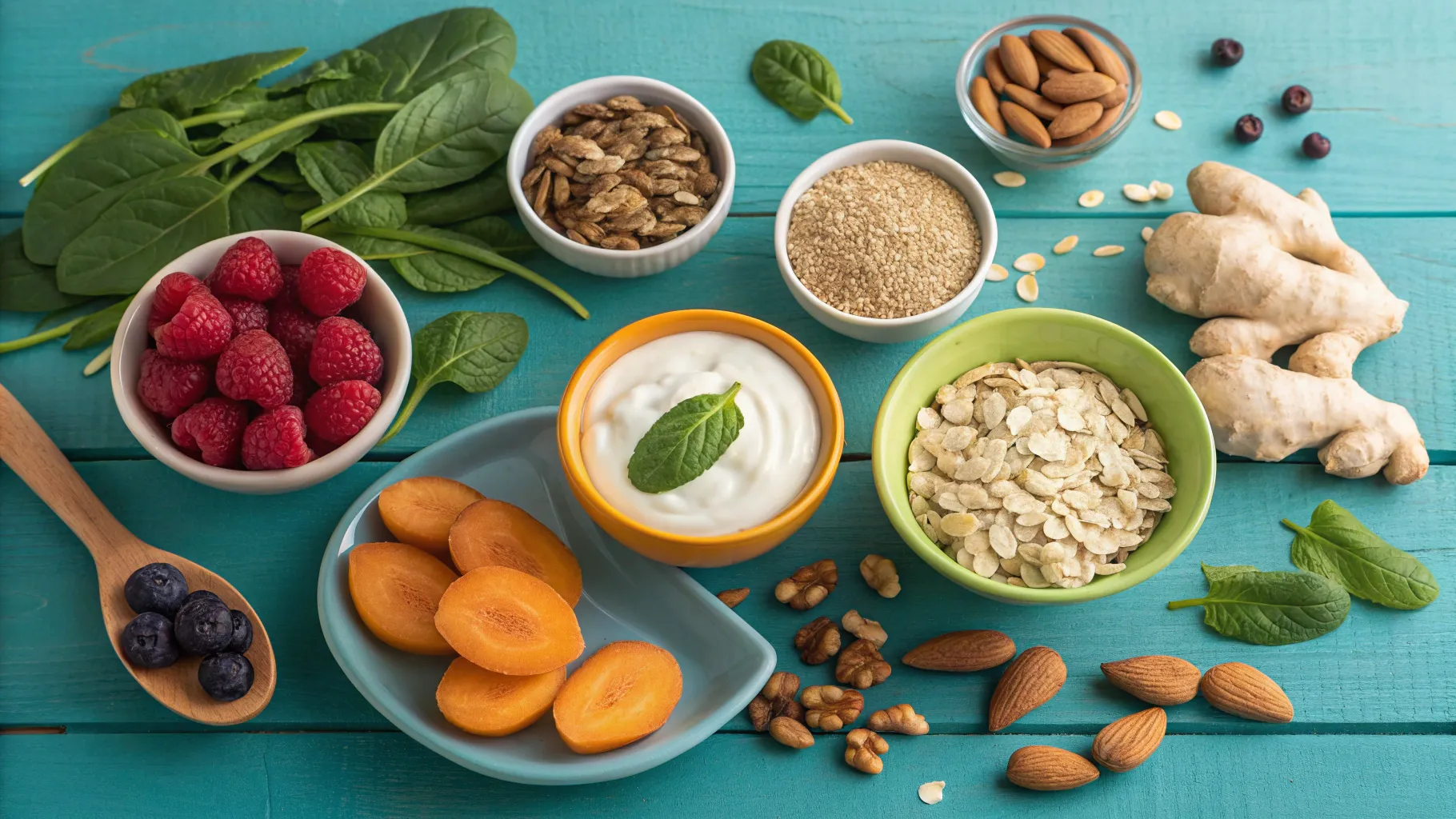
The Top 10 Digestive Problems Preventing Foods
Incorporating these nutrient-dense foods is a cornerstone of any effective digestive wellness diet basics. They provide essential fibers, enzymes, and probiotics to keep your system running smoothly.
1. Yogurt and Kefir
Rich in probiotics, these fermented dairy products introduce beneficial bacteria to your gut, which aids digestion and reduces inflammation.
2. Ginger
A traditional remedy for nausea and indigestion, ginger helps speed up stomach emptying and can soothe an upset stomach.
3. Papaya
This tropical fruit contains an enzyme called papain, which helps break down proteins and makes digestion easier.
4. Whole Grains (Oats, Quinoa)
High in soluble and insoluble fiber, whole grains add bulk to stool and feed healthy gut bacteria.
5. Leafy Greens (Spinach, Kale)
Packed with fiber and magnesium, leafy greens help regulate bowel movements and support a healthy microbiome.
6. Fennel
This vegetable has antispasmodic properties that can relax intestinal muscles, relieving cramping and bloating.
7. Apples
Apples are a great source of pectin, a soluble fiber that acts as a prebiotic to nourish good gut bacteria.
8. Salmon
Rich in omega-3 fatty acids, salmon helps reduce inflammation throughout the body, including in the digestive tract.
9. Peppermint
Often consumed as a tea, peppermint can help alleviate symptoms of Irritable Bowel Syndrome (IBS) by relaxing stomach muscles.
10. Bone Broth
Easy to digest and rich in gelatin and amino acids, bone broth can help heal and seal the gut lining.
Key Benefits
- Reduced Bloating and Gas: Proper food choices minimize fermentation and gas production in the gut.
- Regular Bowel Movements: Fiber-rich foods prevent constipation and promote regularity.
- Enhanced Nutrient Absorption: A healthy gut lining absorbs vitamins and minerals more efficiently.
- Strengthened Immune System: Adopting gut friendly eating habits supports the 70% of your immune system that resides in the gut.
When comparing proactive and reactive approaches to digestive health, the difference is clear. A reactive approach involves using over-the-counter remedies after symptoms appear. In contrast, a proactive strategy focuses on consistently consuming foods linked to digestion, like those listed above. This preventative method builds a resilient gut microbiome, often eliminating the need for reactive treatments and leading to long-term wellness instead of temporary relief.
Essential Checklist
- Drink at least 8 glasses of water daily to aid fiber's function.
- Chew food thoroughly to begin the digestive process in the mouth.
- Incorporate at least one probiotic and one prebiotic food into your daily meals.
- Limit processed foods, artificial sweeteners, and excessive caffeine, which can irritate the gut.
- Listen to your body and identify any personal trigger foods that cause discomfort.
Frequently Asked Questions
What is the single best food for digestion?
While there's no single "best" food, yogurt or kefir are often cited as top contenders due to their high concentration of beneficial probiotics that directly support the gut microbiome.
How quickly can I improve my digestion with diet?
Many people notice improvements in symptoms like bloating and gas within a few days of dietary changes. However, significant, long-lasting improvements to the gut microbiome can take several weeks to months of consistent, healthy eating.
Are all high-fiber foods good for digestion?
Not always. For some individuals, especially those with conditions like IBS, certain types of fiber (like FODMAPs) can worsen symptoms. It's important to focus on soluble fibers from sources like oats and apples and introduce new high-fiber foods gradually.
References
- Journal of Gastroenterology and Hepatology: "Diet and the Gut Microbiome"
- National Institute of Diabetes and Digestive and Kidney Diseases (NIDDK)
- The American Journal of Clinical Nutrition: "Fiber and Prebiotics: Mechanisms and Health Benefits"