Top 10 Foods That Strengthen Bones and Support Health
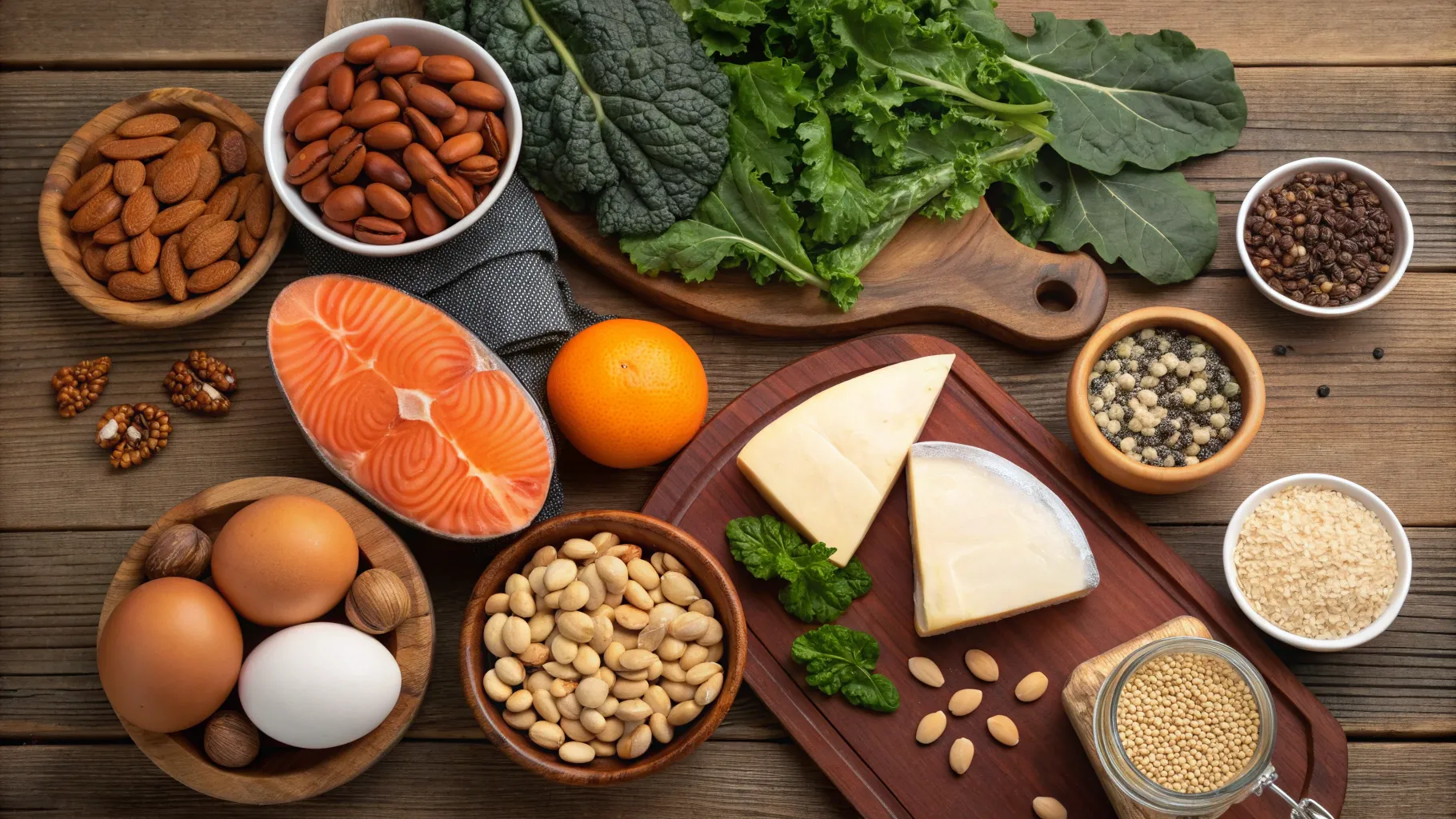
Top 10 Foods For Bone Strength
As we navigate our daily lives, many of us overlook one crucial aspect of our health: our bones. Strong bones are essential for overall health, providing us with support and protection. In 2025, it’s more important than ever to learn about foods that support bone health to prevent osteoporosis and other bone-related issues. The right diet can significantly promote bone strength and flexibility, especially for older adults. Here’s a look at the top 10 bone-friendly foods that everyone should consider incorporating into their diets.
Natural Sources of Calcium and Vitamin D for Strong Bones
Calcium and vitamin D are the powerhouse nutrients when it comes to bone health. Calcium is a vital mineral that forms the structure of our bones, while vitamin D helps our bodies absorb calcium. Recent studies indicate that nearly 60% of adults are deficient in vitamin D, which emphasizes the need for dietary sources.
- Dairy Products: Milk, yogurt, and cheese are excellent sources of calcium. For instance, a cup of fortified milk provides about 300 mg of calcium, which is essential for maintaining bone density.
- Leafy Greens: Vegetables like kale, spinach, and collard greens are also rich in calcium. Kale, for example, contains around 200 mg of calcium per cup when cooked.
- Fatty Fish: Salmon and mackerel are not only delicious but are also packed with vitamin D. A serving of salmon can offer up to 570 IU of vitamin D, which aids in calcium absorption.
- Fortified Foods: Many products, such as cereals and plant-based milk, are fortified with calcium and vitamin D. This is a great option for those who are lactose intolerant or follow a vegan diet.
- Nuts and Seeds: Almonds and chia seeds provide significant amounts of calcium along with healthy fats. Just a handful of almonds packs about 75 mg of calcium.
It’s crucial to pay attention to our calcium and vitamin D intake, especially as we age since our bones can become more fragile. The recommended dietary allowance (RDA) for calcium is approximately 1,200 mg for adults over the age of 50, while the RDA for vitamin D can range from 600 to 800 IU, depending on factors like age and sunlight exposure.
Other Key Nutrients for Maintaining Bone Density
In addition to calcium and vitamin D, several other nutrients play a significant role in maintaining bone strength. Magnesium, potassium, vitamin K, and omega-3 fatty acids have all been linked to improved bone health.
- Magnesium: Found in foods like whole grains, legumes, and nuts, magnesium is necessary for converting vitamin D into its active form, which is vital for calcium absorption.
- Vitamin K: Leafy green vegetables, like broccoli and Brussels sprouts, are packed with vitamin K, which has been shown to improve bone density.
- Omega-3 Fatty Acids: Foods rich in omega-3, such as walnuts and flaxseeds, have been linked to improved bone density among older adults.
- Fruits: Oranges and prunes provide vitamin C and potassium, beneficial for bone health. Prunes, in particular, have been shown in studies to prevent bone loss.
The key to building and maintaining strong bones is a well-balanced diet. Ensuring a mix of these nutrients will not only help strengthen your bones but can enhance your overall health.
Real-World Examples to Consider
A 2025 study published in the Journal of Bone and Mineral Research found that older adults consuming a diet rich in the foods listed above showed a 30% lower risk of fractures than those with negligible intake. This suggests that incorporating even a few of these foods into your diet can have significant long-term benefits.
Take the case of a 65-year-old woman who began following a bone-healthy diet. Her meal plan included daily servings of leafy greens, a serving of fatty fish twice a week, and snacking on almonds. After a year, her bone density scan showed remarkable improvement, highlighting the vital role that diet plays in bone health.
Tips to Make Bone-Friendly Eating Easy
Incorporating bone-friendly foods into your diet doesn’t have to be complicated. Here are some practical tips to help make this transition:
- Start your day with a calcium-rich breakfast: Consider yogurt with granola and almonds or a smoothie made with fortified almond milk and spinach.
- Snack smart: Replace those chips with carrot sticks or cucumber slices with a tasty dip made from Greek yogurt.
- Get creative with cooking: Experiment with new recipes that include spinach, kale, or other beneficial ingredients.
Remember that consistency is key. Making small, gradual changes to your diet can lead to significant improvements in your bone health and overall wellbeing. Whether you’re in your 30s or planning for retirement, it’s never too late to adopt a more nutrient-rich diet.
By understanding and choosing the right foods, you're empowering yourself and promoting a healthier future for your bones. Prioritize fruits, vegetables, dairy, and lean proteins, and your bones will thank you for years to come.